
 EN
EN
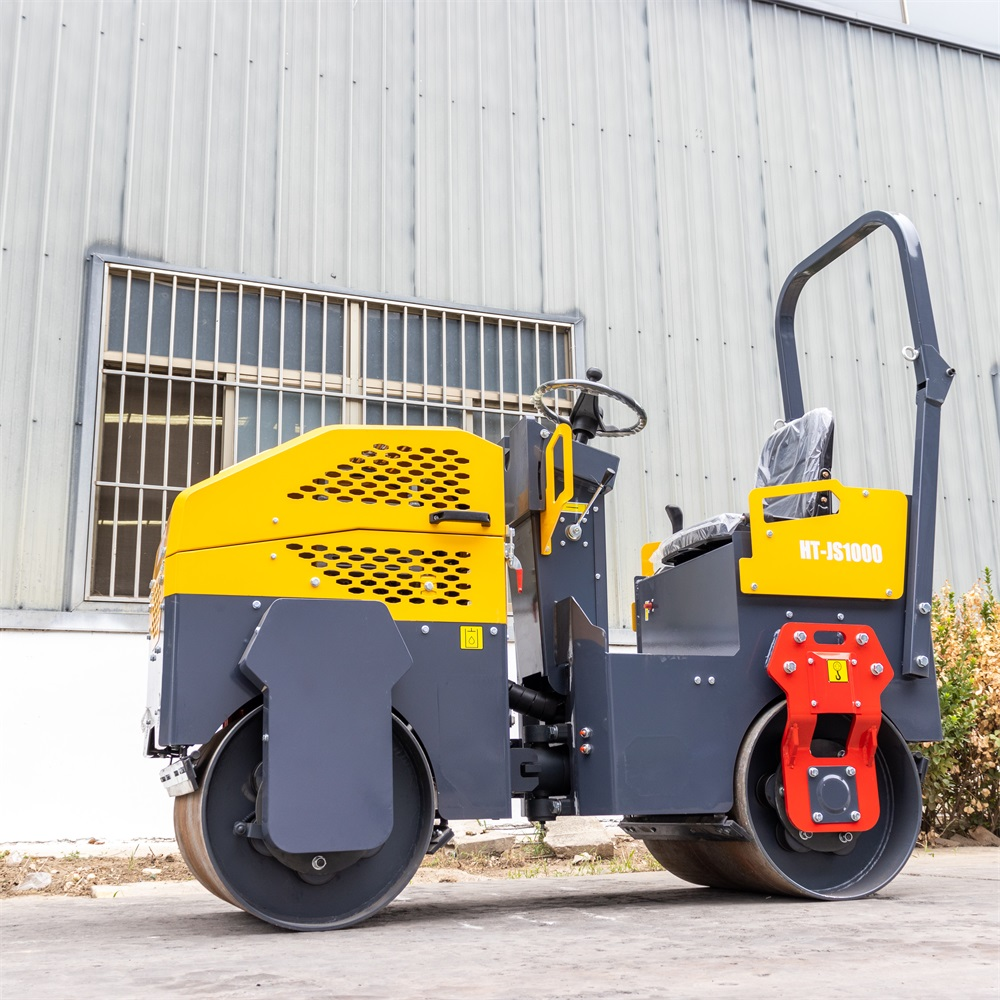
إن تحقيق سطح أسفلتي أملس تمامًا ليس مسألة جمالية فحسب، بل هو حجر الزاوية في ضمان طول عمر الطريق وسلامته وكفاءته التشغيلية. سواءً كنت تُنشئ طريقًا سريعًا جديدًا أو تُجدِّد سطح شارع حضري مزدحم، فإن أداء معدات الترصيف يُحدِّد الجودة النهائية للعمل. ومن بين الماكينات المستخدمة في هذه العملية، يُعَدُّ الأسطوانة الطرقية الأداة الأكثر أهمية لضمان الكثافة والمتانة الإنشائية. وبلا أسطوانة طرقية موثوقة، حتى أفضل مواد الرصف ستخفق في تلبية المتطلبات الصارمة المرتبطة بحركة المرور الحديثة.
فهم ميكانيكا ترصيف الأسفلت
في جوهره، دمك الأسفلت هو العملية الدقيقة لتقليل الفراغات الهوائية داخل الخليط الإسفلتي. عندما يُفرش الأسفلت عند درجات حرارة عالية، يكون مفككًا ومليئًا بالمسام. ومن دون دمك مناسب بواسطة رولر طرق عالي الجودة، تتسرب المياه إلى السطح، مما يؤدي إلى تشققات مبكرة وتشكل الحفر وفشل الطبقة الأساسية. ويقوم رولر الطرق عالي الأداء بتطبيق قوة مضبوطة لإعادة ترتيب حبيبات الركام، مشكلًا مصفوفة كثيفة متشابكة تستطيع تحمل الأحمال المرورية الثقيلة والعوامل البيئية القاسية.
يعتمد اختيار مُدَحْلِك الطريق بشكل كبير على المرحلة المحددة من مشروع الرصف. وتتطلب عملية الدحلكة الأولية، التي تُعَدُّ المرحلة الأولى من عملية التماسك، اهتزازًا عالي التردد لاستقرار خليط الأسفلت الساخن فور مرور ماكينة الرصف. ثم تركز مرحلة الدحلكة المتوسطة على تحقيق الكثافة المستهدفة، بينما تزيل مرحلة الدحلكة النهائية أي آثار متبقية لمُدَحْلِك وتُحقِّق الملمس السطحي المطلوب. ويُدرك المقاولون المحترفون أن القوة المطبَّقة—التي يُقاس عادةً بوحدة كيلو نيوتن (kN)—وسعة الاهتزاز هما المعلمتان المحدِّدتان لنجاح سطح الطريق ومتانته. وبالتالي، فإن اختيار مُدَحْلِك الطريق المناسب يُعَدُّ قرارًا استراتيجيًّا لأي مدير مشروع.
المزايا التقنية ومواصفات الأداء
معدات التكثيف الحديثة ذات القدرة العالية، مثل الوحدات المتخصصة التي صممتها شركة Hightop، تدمج تقنيات هيدروليكية وميكانيكية متقدمة لضمان الدقة المطلقة. ويعتبر القوة الطاردة المركزية معلمةً حرجةً، حيث تصل في النماذج الفاخرة عادةً إلى ما بين ٨٠ كيلو نيوتن و١٥٠ كيلو نيوتن، وذلك حسب عرض الأسطوانة المحددة والوزن التشغيلي الكلي. وهذه القوة الكبيرة هي ما يُحدث الاهتزاز فعليًّا ويُعمِّقه داخل طبقة الأسفلت. وإذا كانت القوة الطاردة المركزية المقدمة من آلة دحرجة الطرق غير كافية، فإن المادة الواقعة أسفل السطح تبقى فضفاضة، مما يؤدي إلى تشكل حفر سطحية سريعة عند بدء مرور حركة المرور على الطريق.
عامل أساسي آخر يؤثر على الأداء هو الوزن التشغيلي والحمل الخطي الثابت. وعادةً ما تتراوح آلات الطرّادة العالية القمة في وزنها التشغيلي بين ٣٠٠٠ كجم للطرّادات التوأمية المدمجة المستخدمة في إنشاء الأرصفة، ويزيد عن ١٢٠٠٠ كجم للطرّادات الثقيلة ذات الأسطوانة الواحدة المصمَّمة خصيصًا لأعمال الطرق السريعة. ويجب ضبط الحمل الخطي الثابت، الذي يُعبَّر عنه بوحدة نيوتن/سم (نيوتن لكل سنتيمتر)، بدقةٍ بالغة استنادًا إلى سماكة طبقة الأسفلت. فعلى سبيل المثال، فإن حملًا خطيًّا ثابتًا قدره ٢٠٠ نيوتن/سم يضمن أن تُطبِّق الطرّادة ضغطًا رأسيًّا كافيًا لتثبيت الخليط دون التسبب في شقوق قصية أو دفع مادة الأسفلت أمام الأسطوانة أثناء المرور.
وعلاوةً على ذلك، تسمح ترددات الاهتزاز—التي يمكن عادةً ضبطها بين ٣٠ هرتز و٦٠ هرتز—للمُشغِّلين بتعديل أداء المدحلة حسب سماكة طبقة الأسفلت ودرجة حرارتها. ويُعد التشغيل عند تردد أعلى مثاليًا للطبقات الرقيقة من الأسفلت التي تبرد بسرعة، في حين أن الترددات الأقل تكون أكثر فعاليةً بكثيرٍ في عملية جَمْع الطبقات العميقة، مما يضمن الاحتفاظ بالحرارة لفترة كافية حتى يتمَّ تكثيف المادة تمامًا عبر العمق الكامل لها.
دراسة حالة واقعية لمشروع: البنية التحتية للطرق السريعة في الفلبين
ولإيضاح الفوائد الملموسة الناتجة عن استخدام معدات عالية الأداء، نأخذ مثالاً على مشروعٍ حديثٍ لإعادة تأهيل طريق سريع في الفلبين. وقد أوكلت إلى المقاول مهمة إصلاح مقطعٍ طوليٍّ يبلغ طوله ١٥ كيلومترًا من طريقٍ رئيسيٍّ إقليميٍّ تعرض لتَشقُّقات حراريةٍ شديدةٍ نتيجة تقلبات المناخ الاستوائي والرطوبة العالية.
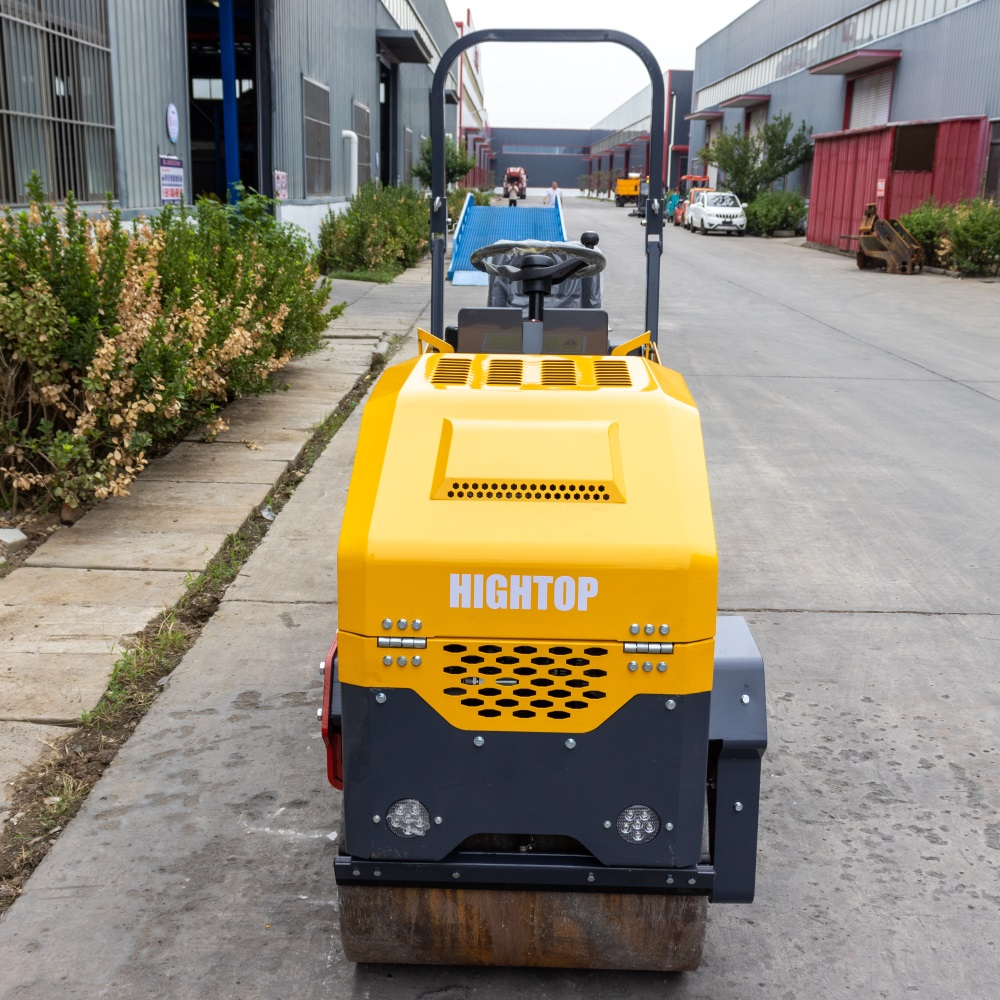
كانت التحدي الرئيسي هو الجدول الزمني الضيق للغاية؛ إذ كان لا بد من إعادة فتح الطريق أمام حركة النقل اللوجستي الثقيل خلال ٧٢ ساعة من إنجاز أعمال الرصف. ووفرت شركة «هاي توب» سلسلة من المداحل الاهتزازية ذات الأسطوانتين وبسعة ١٠ أطنان. وقد تم تجهيز هذه الوحدات بقوة طرد مركزي تبلغ ١٢٠ كيلو نيوتن وتكرار قابل للتعديل يتراوح بين ٤٥–٥٠ هرتز، وهي مُصمَّمة خصيصًا للتعامل مع الركام المحلي الكثيف.
وباستخدام وحدات هاي توب هذه، تمكن المهندسون الميدانيون من تحقيق كثافة مستهدفة تبلغ ٩٨٪ من تصميم الخلطة المختبرية خلال مرورتين فقط، مقارنةً بالمعيار الصناعي المتمثل في ثلاث أو أربع مرورات. وأدى الدقة في التحكم في الاهتزاز إلى بقاء السطح ناعمًا بما يكفي لتجنب الحاجة إلى عمليات دحرجة نهائية مفرطة، مما وفّر الوقت وقلّل من اهتراء الماكينات. ونتج عن ذلك خفض استهلاك الوقود لأسطول آلات الدك بنسبة ٢٥٪، وانتهاء المشروع قبل الموعد المقرر بنسبة ٢٠٪. وأظهرت التحليلات التي أُجريت بعد الإنشاء عدم ظهور أي تآكل سطحي (انحناءات) بعد أول ستة أشهر من التشغيل الثقيل، ما يثبت أن استخدام درّاجة دك مناسبة يقلل بشكل كبير من تكاليف الصيانة طويلة الأجل لكل من المطورين الخاصين والإدارات الحكومية على حد سواء.
القيمة التجارية للمقاولين والموزعين
بالنسبة للمقاولين، يُقاس العائد على الاستثمار (ROI) الناتج عن استخدام ماكينة دحرجة الطرق من حيث السرعة ووقت التشغيل الفعلي وجودة المشروع. فالمعدات التي تتعطل أو توفر قوى دمك غير متسقة تؤدي إلى غرامات مفروضة على المشروع، وإعادة معالجة مكلفة للمواد، وأضرار دائمة تلحق بالسمعة. ولذلك فإن الاستثمار في الماكينات المزودة بمكونات محرك متينة وقوية وأنظمة هيدروليكية موثوقة يُعَدُّ استراتيجية دفاعية ضد التقلبات التشغيلية في موقع العمل.
ويجد الموزعون أيضًا قيمة كبيرة في التوصية بآلات عالية المواصفات. وعندما يزوِّد الوكيل معدات Hightop، فإنه يقدِّم منتجًا مدعومًا بشبكة توريد عالمية شاملة. وهذا يعني إمكانية الوصول السلسة إلى قطع الغيار القياسية والدعم الفني الخبير الذي يحافظ على تشغيل الآلات في مواقع العمل بدلًا من انتظارها في ورشة الصيانة. وتُعتبر متانة الإطارات الفولاذية السميكة ودقة وحدات التحكم الكهربائية في هذه المُدَحْلَبات من أبرز نقاط البيع التي تجذب مدراء المشاريع المُدرِكين لأهمية الآلات عالية الجودة كأصلٍ طويل الأجل وليس كنفقة قصيرة الأجل.
الاتجاهات المستقبلية في تقنيات الترصيف
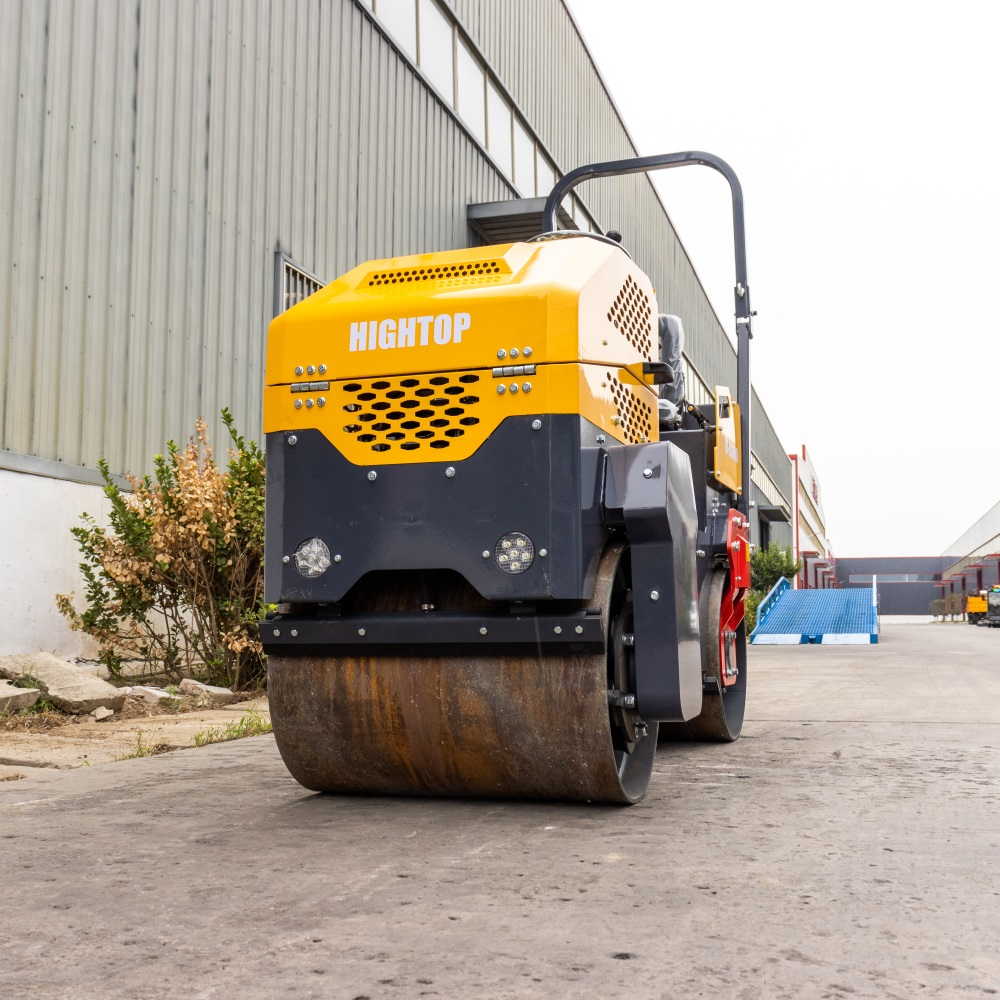
في المستقبل، يتجه القطاع نحو أنظمة ضغط أكثر ذكاءً. وتشمل التطورات المقبلة دمج أنظمة التخطيط المُوجَّهة عبر نظام تحديد المواقع العالمي (GPS) وأجهزة استشعار الكثافة المدمجة في وحدة التحكم الخاصة بكل ماكينة دحرجة حديثة مباشرةً. ويتيح ذلك للمُشغِّل رؤية المناطق التي حققت متطلبات الكثافة والمناطق التي تتطلب مرورات إضافية، وذلك في الوقت الفعلي. وتقوم شركة هاي توب باستمرار بتقييم قدرات الدمج هذه لضمان بقاء المعدات ملائمةً في بيئة البناء المتزايدة الأتمتة.
الخاتمة
إن مُدَحِّل الطريق هو بلا شك المحرك الذي يضمن الجودة في عمليات رصف الأسفلت الحديثة. فبفضل تطبيق القوة الطاردة المركزية، وتعديل التردد، وتوزيع الوزن بدقةٍ وحسابٍ دقيقين، تقوم هذه الآلات بتحويل الركام غير المتماسك إلى أسطح مستقرة وسلسة تلبّي متطلبات البنية التحتية الحديثة. سواءً كنت مقاولًا رئيسيًّا تشرف على مشروع حكومي، أو موزِّعًا تسعى لتوسيع محفظتك من المنتجات، فإن السَّلامة الفنية لأسطول آلات الدكّ التي تمتلكها ستكون العامل الحاسم في نجاحك النهائي. وتتصدَّر شركة «هاي توب» (Hightop) هذا المشهد التصنيعي، حيث توفر الآلات التي تحوِّل تصاميم الهندسة المعقدة إلى واقعٍ دائمٍ عالي الجودة.