
 EN
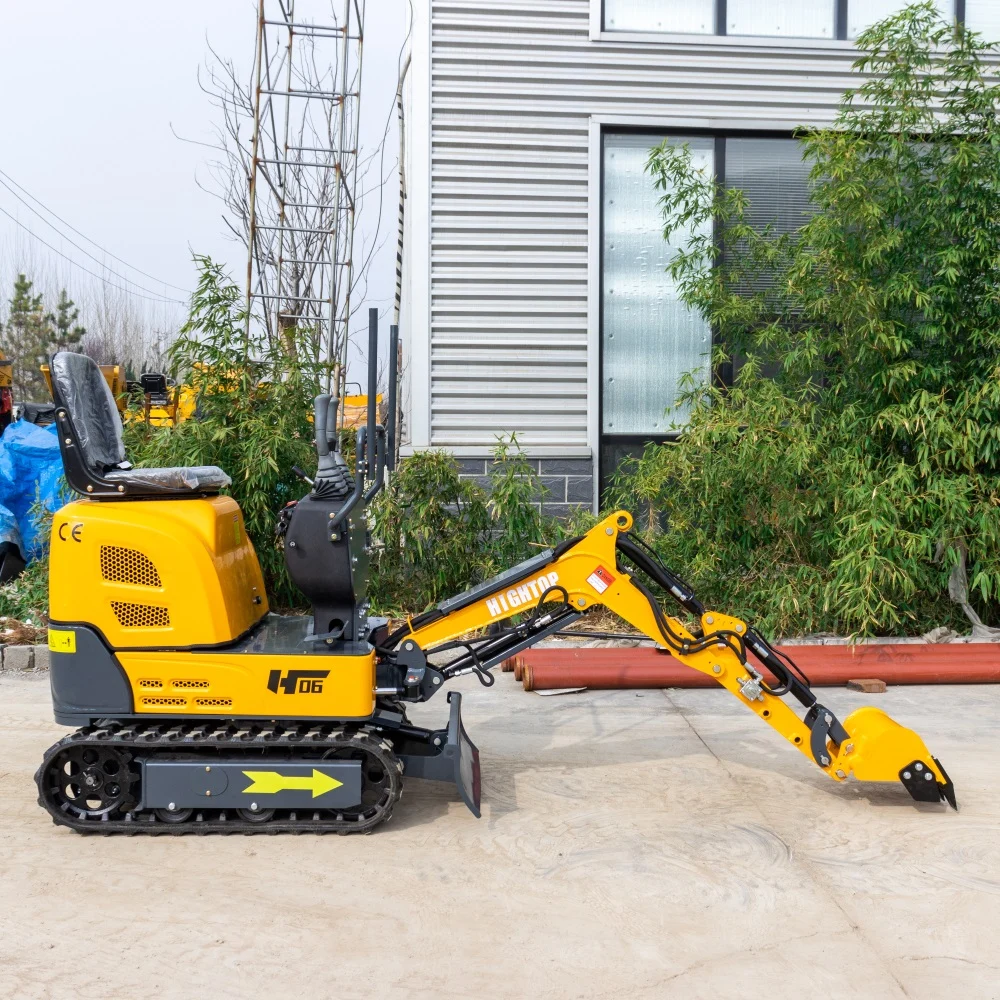
Mastering Tight Space Excavation Challenges
Modern urban construction and residential landscaping projects frequently present severe space constraints that test even the most seasoned machinery operators. Digging trenches alongside existing building foundations, working inside indoor renovation sites, or clearing drainage pathways behind narrow garden gates requires extraordinary precision and machinery agility. Relying on oversized heavy machinery in such confined environments increases the risk of structural property damage, whereas manual digging is physically grueling and inefficient. This exact operational challenge is why a mini excavator has become the preferred machine choice for general contractors, utility specialists, and landscape architects worldwide. Unlike conventional earthmovers that demand wide clearance radii, a versatile mini excavator provides substantial breakout force and digging depth within a remarkably compact physical frame. Mastering the art of handling a mini excavator in constrained spaces enables work crews to execute delicate soil removal tasks without compromising site safety or structural integrity. By combining intelligent spatial planning with specialized machinery techniques, operators successfully transform restricted, hard to reach working zones into highly organized, productive project environments.
Essential Technical Features for Confined Operations
Navigating cramped job sites efficiently requires a deep understanding of the mechanical features engineered into compact earthmoving machinery. A primary design advantage found on a modern mini excavator is the zero tail swing capability, which allows the upper structure to rotate freely within the track width without striking neighboring walls or fences. Furthermore, a retractable undercarriage allows the operator to narrow the track footprint to fit through standard doorway openings and expanding it back out for maximum lifting stability during heavy digging cycles. Utilizing the independent boom swing feature enables a mini excavator to dig parallel to foundation walls without repointing the entire chassis, which drastically minimizes vehicle repositioning movements in narrow corridors. Mechanical experts continuously emphasize that smooth, proportional hydraulic joystick controls allow fine adjustments when maneuvering near underground gas pipes or electrical cables. Every engineered component on a high performance mini excavator works in total harmony to provide operators with maximum stability, precision control, and confidence when operating in tight spaces.
Contractor Case Study in Restricted Utility Excavation
Real world field application provides clear evidence of how specialized machine handling techniques maximize project profitability and safety. During a recent plumbing infrastructure replacement project in a densely populated suburban alleyway, the primary contractor faced severe space limitations where neighboring brick walls left less than six feet of working clearance. By deploying a compact mini excavator featuring a retractable track system and zero tail swing, the installation crew navigated the narrow access corridor without contacting structural walls. The operator utilized the boom swing functionality of the mini excavator to excavate a four foot deep trench directly alongside an old stone wall, completing the pipeline bed preparation in less than two days. The site director reported that using a mini excavator reduced project completion time by over fifty percent compared to manual excavation while eliminating equipment rental expenses for auxiliary machinery. Field results like this clearly demonstrate that skilled handling of a mini excavator converts challenging, space constrained sites into safe, profitable commercial contracts.
Operator Techniques and Safety Protocols for Tight Quarters
Achieving optimal performance while working in confined spaces demands strict adherence to professional operating techniques and safety precautions. Before starting any digging task, the operator must conduct a thorough perimeter survey to identify overhead power lines, low hanging structures, and subsurface utility locations. Establishing clear line of sight communication or employing a dedicated spotter is crucial when backing up a mini excavator in tight spots where blind spots are magnified by surrounding barriers. Operators should maintain lower hydraulic speed settings when working in close proximity to solid walls to prevent unintended sudden movements that could cause structural impact. Additionally, lowering the dozer blade to the ground provides essential anchoring stability, keeping the mini excavator balanced when lifting heavy soil loads or operating on uneven ground surfaces. Regular inspections of hydraulic hoses, bucket pin connections, and track tensioning guarantee that the mini excavator operates with maximum mechanical responsiveness during intricate, high precision maneuvering.
Strategic Commercial Value and Supply Chain Advantage
Selecting the right heavy equipment manufacturing partner is a critical business decision that directly impacts long term operational success, site safety, and enterprise growth. Commercial contractors operating in competitive global markets require durable machinery supported by robust supply chains, transparent service networks, and high engineering quality. Investing in a high performance mini excavator empowers growing businesses to tackle diverse, space restricted jobs that larger equipment fleets simply cannot manage. Hightop remains steadfastly committed to manufacturing excellence, providing global markets with an advanced mini excavator line engineered to withstand grueling work conditions while delivering top tier hydraulic precision. Through comprehensive global supply chain networks and rigorous internal quality control standards, Hightop ensures that every mini excavator delivers enduring mechanical reliability and exceptional job site productivity. Equipping your commercial fleet with a dependable mini excavator guarantees long term operational capabilities, reduced equipment life cycle costs, and sustained competitive advantage across the modern civil construction landscape.