
 EN
EN
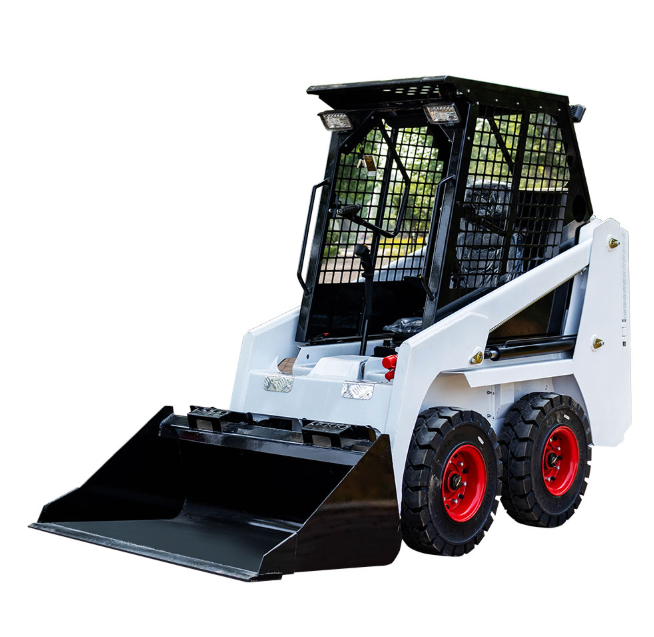
The global construction landscape is undergoing a massive shift toward sustainability. As urban centers implement stricter emission regulations and fuel costs fluctuate, contractors and developers are looking for machinery that balances raw power with environmental responsibility. This evolution has brought eco-friendly skid steer loaders to the forefront of the industry. Far from being simple electric alternatives, modern green designs integrate advanced hydraulics, intelligent power management, and high-tensile materials to redefine what efficiency looks like on a job site.
Precision Engineering and Advanced Power Systems
Modern eco-friendly skid steers focus heavily on the optimization of the powertrain to reduce the carbon footprint without sacrificing breakout force. One of the most significant shifts is the transition toward Tier 4 Final and Stage V compliant engines, which utilize Selective Catalytic Reduction (SCR) technology. By injecting Diesel Exhaust Fluid (DEF) into the exhaust stream, these machines convert nitrogen oxides into harmless nitrogen and water vapor. This technical leap ensures that the equipment can operate in high-density urban areas where air quality standards are uncompromising. Beyond emissions, the integration of electronic control units (ECUs) allows for load-sensing hydraulic systems. Instead of the pump running at full capacity constantly, it delivers oil flow only when the operator engages the joysticks, leading to a measurable reduction in fuel consumption and thermal waste.
Technical Specifications and Performance Metrics
When evaluating the sustainability of a skid steer, the data points provide the most honest assessment of its capability. For instance, high-performance eco-models often feature a rated operating capacity of 850 kg to 1,050 kg, supported by a hydraulic flow rate of approximately 75 to 85 liters per minute. These specific figures are crucial because they dictate the machine's ability to run demanding attachments like mulchers or cold planers efficiently. A machine with a 30% higher torque rise compared to previous generations can handle heavy lifting at lower RPMs, which directly correlates to a decrease in engine wear and a quieter operating environment. Noise levels are often kept below 101 dB(A) to facilitate night-time operations in residential zones. By utilizing a high-pressure common rail fuel injection system, these units achieve a fuel efficiency improvement of roughly 12% to 15%, which significantly lowers the total cost of ownership for fleet managers.
Durability Through Material Science
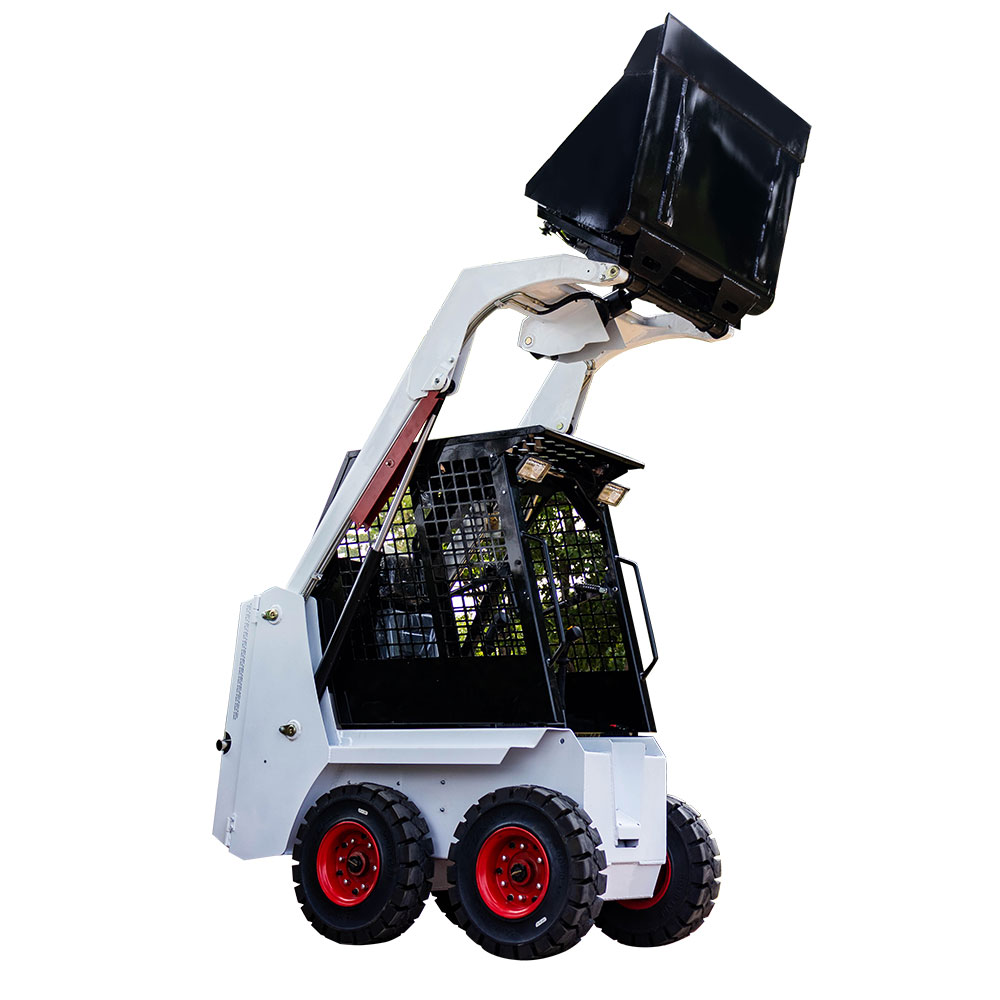
True environmentalism in machinery also concerns the longevity of the equipment. A machine that lasts fifteen years is inherently more sustainable than one that requires replacement after seven. Modern designs prioritize high-strength alloy steel for the loader arms and chassis, providing a tensile strength exceeding 490 MPa. This allows for a lighter frame that doesn't compromise on structural integrity. Furthermore, the use of maintenance-free bushings and extended service intervals—sometimes reaching 500 hours for engine oil changes and 1,000 hours for hydraulic fluid—drastically reduces the volume of waste oils and filters generated over the machine's lifespan. By minimizing the frequency of part replacements, operators contribute to a circular economy where resources are preserved through sheer reliability.
Case Study: Urban Redevelopment in Lyon France
In a recent urban renewal project located in Lyon, France, a major infrastructure developer faced strict "Low Emission Zone" (ZFE) requirements that prohibited older, high-polluting machinery. The task involved clearing debris and grading soil within a confined residential courtyard for a new green-living complex.
A Hightop skid steer loader was deployed to handle the primary earthmoving tasks. The machine utilized its compact 1.8-meter width to navigate narrow entryways that larger excavators could not access. The core challenge was maintaining high productivity while adhering to local noise ordinances that limited heavy work to specific windows of the day. Thanks to the Hightop unit’s optimized engine tuning, which reduced sound pressure levels significantly, the crew completed the grading phase three days ahead of schedule. The project manager reported a fuel savings of 18 Liters per day compared to the older rental units previously used on similar sites. This successful implementation proved that eco-friendly equipment could meet the aggressive timelines of modern commercial development while satisfying municipal environmental mandates.
Strategic Value for Global Distributors and Contractors
For distributors and heavy equipment dealers, stocking eco-friendly skid steers is no longer a niche choice but a strategic necessity. Developers are increasingly including "Green Equipment" clauses in their tender documents, favoring contractors who can prove their fleet meets modern emission standards. Investing in machines with high-efficiency cooling systems and telematics—which monitor idle time and fuel burn in real-time—allows contractors to provide verifiable data to their clients regarding the project's carbon impact. Moreover, the resale value of Stage V compliant machines remains significantly higher in the international market, ensuring that the initial investment is protected against the rapid depreciation often seen in outdated, high-emission hardware.
Versatility and Attachment Integration
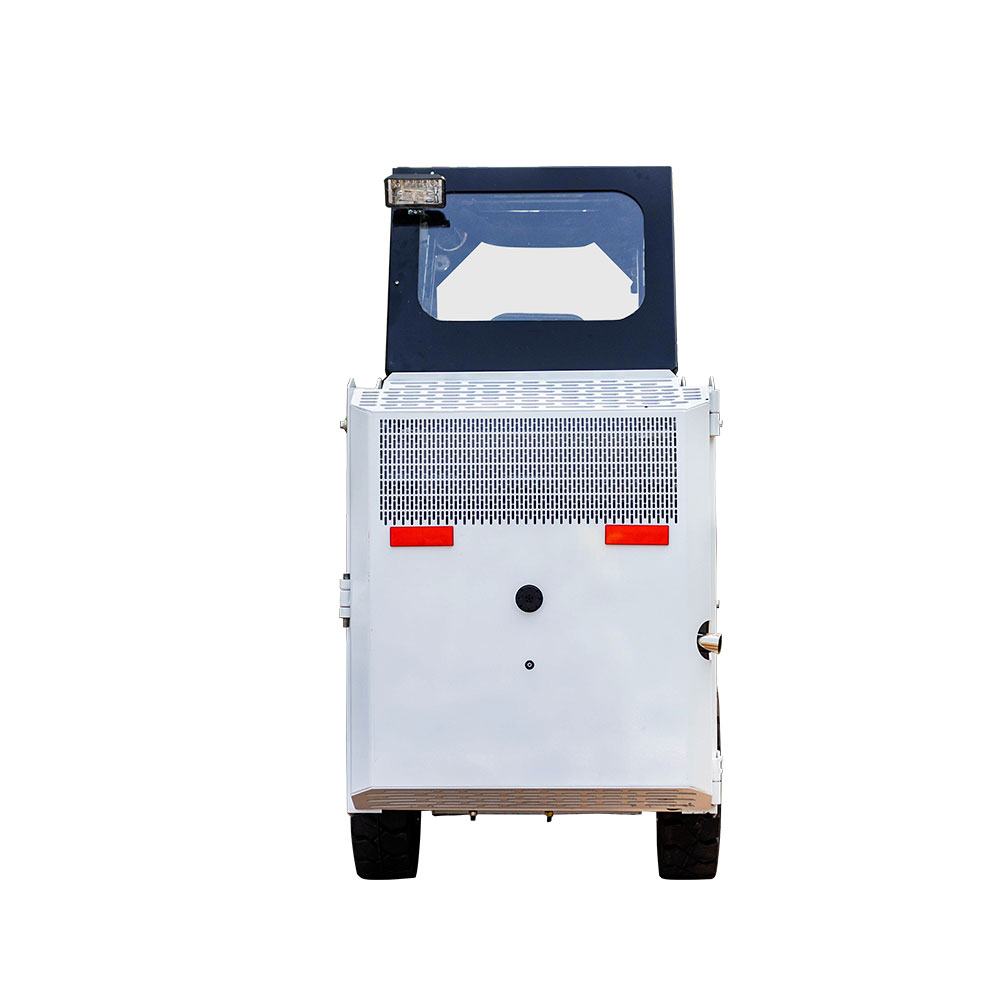
The sustainability of a skid steer is also tied to its versatility. A single machine that can perform the roles of five different tools reduces the need for multiple engines running on-site. Modern designs utilize universal quick-attach systems that support everything from hydraulic hammers to eco-mowers. By optimizing the hydraulic cooling capacity, these machines can run high-flow attachments for extended periods without overheating. This thermal stability is achieved through oversized radiators and reversible fans that blow out dust and debris, maintaining peak engine efficiency even in harsh, dusty environments. When a machine runs cooler, it consumes less energy to maintain its operating temperature, further reinforcing the eco-friendly design philosophy.
Conclusion on Sustainable Fleet Management
The trend toward eco-friendly skid steer loaders is driven by a combination of regulatory pressure, technological innovation, and a clear economic incentive. By focusing on verifiable performance data, such as precise hydraulic flow rates and specific fuel savings percentages, the industry is moving away from marketing jargon and toward meaningful engineering improvements. For the professional contractor or distributor, choosing equipment that prioritizes these green designs is the most effective way to ensure long-term viability in an increasingly conscious global market.
Table of Contents
- Precision Engineering and Advanced Power Systems
- Technical Specifications and Performance Metrics
- Durability Through Material Science
- Case Study: Urban Redevelopment in Lyon France
- Strategic Value for Global Distributors and Contractors
- Versatility and Attachment Integration
- Conclusion on Sustainable Fleet Management