
 EN
EN
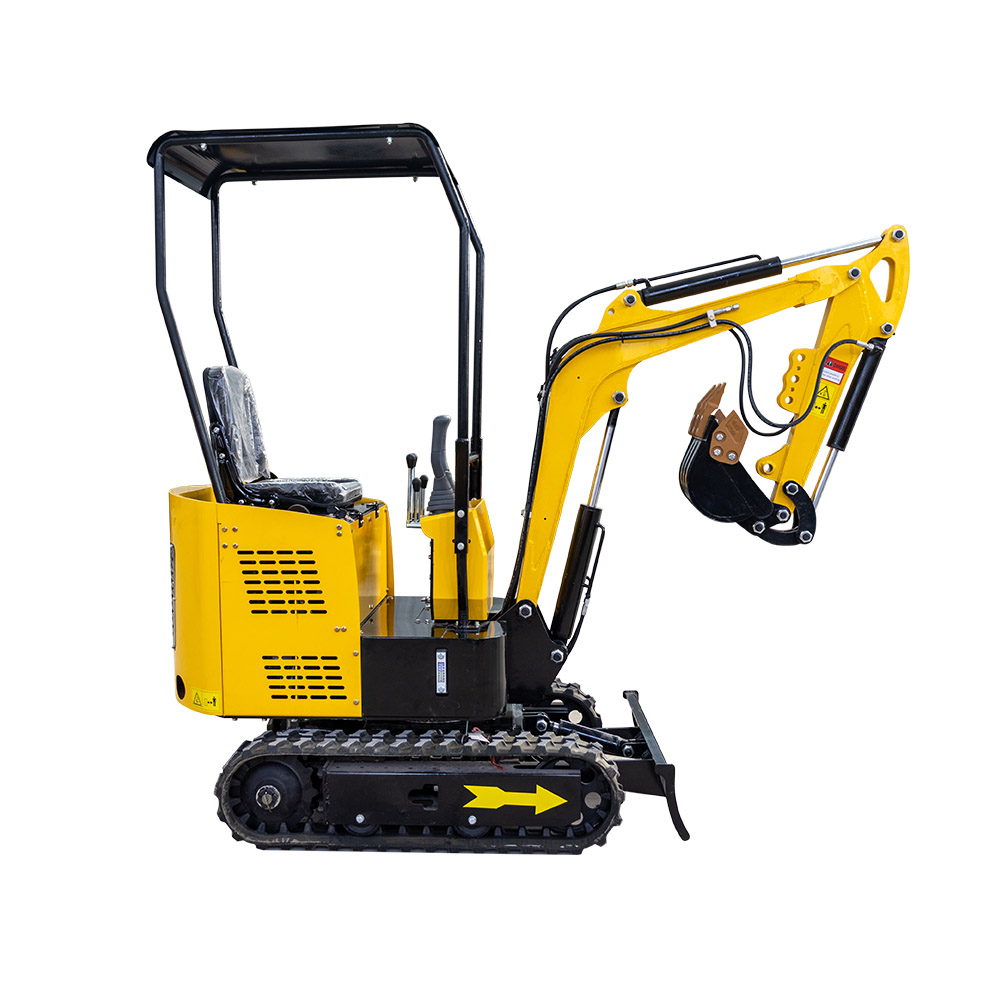
What Is A Compact Excavator?
For tasks such as light and medium-size digging, lifting, and earth-moving, there is Compact Excavators -small, highly maneuverable machines that come in various sizes ranging from 0.8 to 10 tons. Additionally, unlike larger excavators, a compact excavator is built to fit in small construction areas, with enough spatial adaptability to fit in tighter areas. More than being a smaller version of a bigger excavator, it also has a modular design and is better suited for smaller construction projects. The variety of different construction, mining, agriculture, and municipal engineering projects that it is designed for utilize advanced engineering that is built around intelligent construction workflows. Compact excavators are built with different utilization in mind and are designed to be highly specialized for diverse utilities while also being compact.
Main Advantages
Compact excavators have an intelligent hydraulic system that connects efficient engine operation to control system. This allows for seamless operation of the different parts of the excavator and improved fuel economy. This means smoother and more efficient digging, lifting of the arm, and rotation of the body. This improves the hydraulics efficiency and eliminates the wasted power that is consumed by older more uncoordinated systems. The flexible steering system allows for more freedom of movement in smaller areas, like in the renovations of communities and farmland. This also allows for the repeated movement of large amounts of material without a decrease in the performance of the excavator. The hydraulic body is also designed to withstand the harshest elements and most demanding operations that would be found in construction and mining sites. The design and engineering of these excavators helps to optimize efficiency and operations for the end user in construction.
Real-world Uses
Due to their usefulness and versatility, compact excavators are commonly used pieces of equipment in modern engineering construction. Examples of their usage include foundation digging and other earth-moving tasks in the early construction phases of high-rises and bridges, where compact excavators are used to perform tasks such as fine grading which is something larger machines cannot do. They are also used in the process of building and road construction to assist with the mining of small and medium-sized open-pit and underground mines by moving and finishing the site after ore collection. Compact excavators are also used in the agriculture sector where they enhance the production of crops by playing pivotal roles in the improvement of farm irrigation, land leveling, and in the building of the infrastructure of modern farms. They are also important in the building of municipalities and in emergency projects as they play an important role in the fast post-disaster reconstruction and emergency rescues as their flexible operation allows them to perform rescue activities in disaster zones with difficult and complex terrains.
Real World Project Examples
Compact excavators have proven their versatility and effectiveness in a multitude of international projects around the world in a variety of geographical and operational conditions. In Southern Poland’s family farm and workshop facilities, Compact excavators have improved the efficiency of farm and small industrial construction by sorting farmland and building workshops. In the residential construction and courtyard renovation project in the suburbs of Stockholm, Sweden, the machine used for building foundation construction and courtyard renovations operated with such precision that construction quality was enhanced and the surrounding nature was left untouched to comply with the saavy-civilian green construction regulations. In the Urban historic old community renovation project in Toronto, Canada, he municipal upgrade projects such as underground pipeline construction and courtyard greening problem of constructing in a closed construction space was managed entirely by excavators, allowing a full upgrade of a community without disturbing the daily activities of the residents to the entirety of Ontario. The versatility of small excavators to the varying construction needs for diverse demographics, as seen in these examples is commendable.
Commercial Value for Operators
For construction operators, compact excavators present multiple commercial values. For one, high operational efficiency makes for short construction periods, while the intelligent hydraulic system and flexible body design allow for higher operational volumes than traditional small excavators daily, enabling operators to finish more project benefits. Additionally, the operational cost and fuel expenses are controlled by the engine and hydraulic system combination, economy for large-scale and long-term operations is fuel consumption. Also, the brand's wide customizing and accessorizing options allow for multiple professional attachments to be fitted to the same machine according to the project needs avoiding the cost of multiple special machine purchases. Finally, the global service network covering over 100 countries provides equipment rapid maintenance support anywhere providing the project operational continuity and reduces equipment failure's downtime losses.
Certifications and Compliance
Numerous global, industry-specific approvals and certifications, including ISO9001, CE, SGS, TUV, and BV, guarantees the design, ease of maneuverability, functionality, procurement, and safety compliance of mainstream compact excavators, and the environmental sustainability and the quality control of the compact excavators. Additionally, the primary components of compact excavators are sourced from leading industrial partners, renowned engine manufacturers, and competent hydraulic system contractors. This guarantees optimal performance of the excavators. The compact excavators are manufactured under stringent guidelines governed by a seven-step assembly process that guarantees ideal design, assembly, and operational performance of the excavators.
Tips for Selection
Picking a good compact excavator can be more efficient when applied guidelines and scientific methods. An example of this is making sure the equipment’s tonnage is suited for the site’s working conditions. For example, the small models that are in the range of 0.8 to 3.5 tons are optimal for the operations in small spaces like municipal community renovation and garden construction. And for large scale operations that require intense activity, like mining and agricultural land consolidation, the models that are around 5-10 tons would be perfect. Another example of this would be the selection of the right accessories for the specific operational tasks. For example, the market even has 60+ additional professional accessories available, such as a grapple bucket, soil tiller, and pallet forks. These can perform additional functions that the equipment may not be originally designed to do. After sell service is another area that is very important when considering service networks. Choose the equipment parts that are global. Brand loyalty in this area allows for rapid service as equipment parts can easily be obtained. In operations, the equipment's international certification is a strong indicator of quality and operational safety.