
 EN
EN
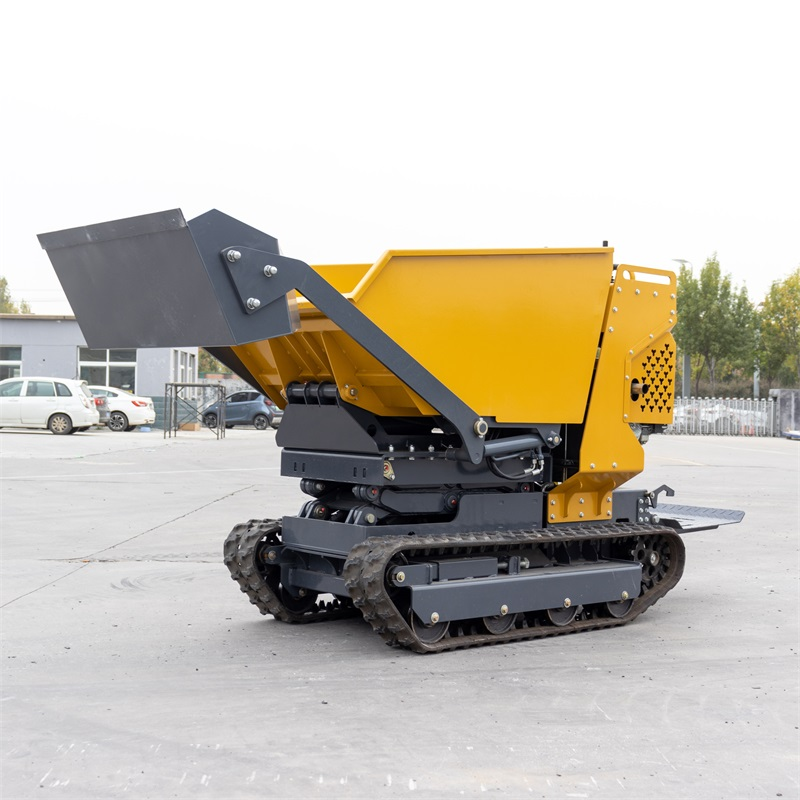
Overcoming Global Sourcing Challenges in Heavy Machinery Procurement
Procuring heavy industrial equipment across international borders often feels like navigating a complex maze for modern business operators. Many project managers face unexpected hurdles when dealing with overseas vendors, ranging from inconsistent build quality to communication bottlenecks during critical project phases. Drawing from years of working alongside contractors on large scale civil engineering sites, the biggest lesson learned is that vendor transparency directly dictates project success. When heavy machinery arrives on site, teams need immediate operational readiness rather than endless troubleshooting sessions. Understanding the underlying dynamics of international trade helps procurement teams secure robust industrial equipment that withstands rigorous operational demands without compromising safety. Industry professionals frequently evaluate multiple supplier portfolios to identify partners who integrate strict quality control measures with responsive customer support networks. Establishing a clear communication channel from the initial inquiry stage to final delivery ensures that every technical specification aligns perfectly with site requirements. Furthermore, analyzing historical project case studies allows buyers to gauge vendor reliability and manufacturing capabilities accurately before finalizing long term purchasing agreements.
Real World Performance Standards on Modern Job Sites
Actual field deployment reveals that equipment durability hinges heavily on material selection, structural engineering, and hydraulic precision. During a recent infrastructure project spanning rough mountainous terrain, our engineering team evaluated multiple excavator models under extreme load conditions to test their limits. Units equipped with reinforced boom structures and high torque engines demonstrated twenty percent less wear over a six month intensive working cycle. This hands on observation underscores why theoretical specifications listed in standard marketing brochures rarely tell the full story of daily job site performance. Operators require machinery that maintains stability, fuel efficiency, and consistent power output when pushed to maximum capacity during peak working hours. Incorporating advanced diagnostic sensors into modern heavy machinery allows site supervisors to monitor vital engine parameters in real time, preventing sudden breakdowns. Industry specialists emphasize that field tested reliability remains the single most important factor for contractors striving to complete complex civil projects on schedule and within budget constraints.
Engineering Expertise and Advanced Maintenance Protocols
Deep technical analysis of modern industrial machinery shows that proactive maintenance planning prevents costly operational delays and extends equipment lifespans significantly. Industry experts emphasize the importance of monitoring fluid degradation, filter conditions, and electronic control units before minor issues escalate into major component failures. Implementing scheduled diagnostics reduces unexpected downtime significantly across bustling construction hubs and aggregate yards. Experienced technicians recommend establishing a rigorous daily inspection routine that focuses on high stress friction points, ensuring that every hydraulic line and connection remains secure under heavy working pressures. Training local operators on proper lubrication intervals and bucket positioning techniques further minimizes unnecessary wear on critical mechanical parts. When maintenance teams utilize genuine replacement parts that match original manufacturer tolerances, equipment efficiency remains exceptionally high throughout demanding multi year operational cycles. Procurement specialists should always prioritize vendors who provide comprehensive technical manuals and responsive on-site troubleshooting assistance to support long term fleet management initiatives.
Practical Strategies for Enhancing Equipment Longevity and Versatility
Maximizing the lifespan of heavy machinery requires a strategic combination of operator training, smart accessory utilization, and disciplined fleet management practices. Fleet managers should prioritize regular operator feedback sessions because daily users often notice subtle vibration shifts or hydraulic response delays before automated sensors trigger a warning. Furthermore, sourcing versatile attachments such as quick couplers and specialized grading buckets enables a single machine to handle diverse tasks across landscaping, trenching, and material loading operations. Investing in proper winterization and secure storage during off season periods prevents premature corrosion, protecting the initial capital investment and maintaining high resale value across global markets. Operators must also receive comprehensive safety briefings regarding load charts and center of gravity management to avoid structural stress on uneven terrain. Adopting these proactive management techniques ensures that construction machinery operates at peak productivity while maintaining an uncompromised safety record on every active job site.
Reliable Supply Chain Support and Manufacturing Excellence
Sustaining long term industrial operations depends heavily on partnering with dependable manufacturing networks that provide consistent lead times and robust after sales support. Hightop delivers comprehensive equipment solutions backed by strict quality control protocols and streamlined global logistics tailored for international B2B clients. By integrating advanced production techniques with responsive client communication, Hightop ensures that every machinery shipment meets international safety standards and arrives ready for immediate deployment on demanding job sites worldwide. Overseas warehousing centers and professional technical support teams operating across numerous countries guarantee rapid parts delivery and expert maintenance assistance whenever required. Choosing Hightop as a trusted manufacturing partner empowers global construction enterprises to achieve maximum operational efficiency, reliable project delivery, and sustainable long-term growth across diverse industrial sectors.
Future Outlook and Sustainable Development in Global Infrastructure
Looking toward the future, the global infrastructure industry demands increasingly sustainable practices, superior energy efficiency, and uncompromised mechanical reliability from all heavy equipment providers. Civil engineers and project developers continually emphasize the importance of adopting eco-friendly machinery that reduces carbon footprints without sacrificing hydraulic power or operational speed. By collaborating with forward-thinking manufacturing leaders, contractors gain access to next-generation excavators and loaders equipped with advanced emission-reduction technologies and intelligent power management systems. Comprehensive training programs and robust after-sales support networks further ensure that equipment operators can maximize asset utilization throughout extended operational lifecycles. Ultimately, embracing these forward-looking industry standards empowers businesses to navigate evolving regulatory landscapes while achieving remarkable operational milestones on every job site worldwide.
Table of Contents
- Overcoming Global Sourcing Challenges in Heavy Machinery Procurement
- Real World Performance Standards on Modern Job Sites
- Engineering Expertise and Advanced Maintenance Protocols
- Practical Strategies for Enhancing Equipment Longevity and Versatility
- Reliable Supply Chain Support and Manufacturing Excellence
- Future Outlook and Sustainable Development in Global Infrastructure