
 EN
EN
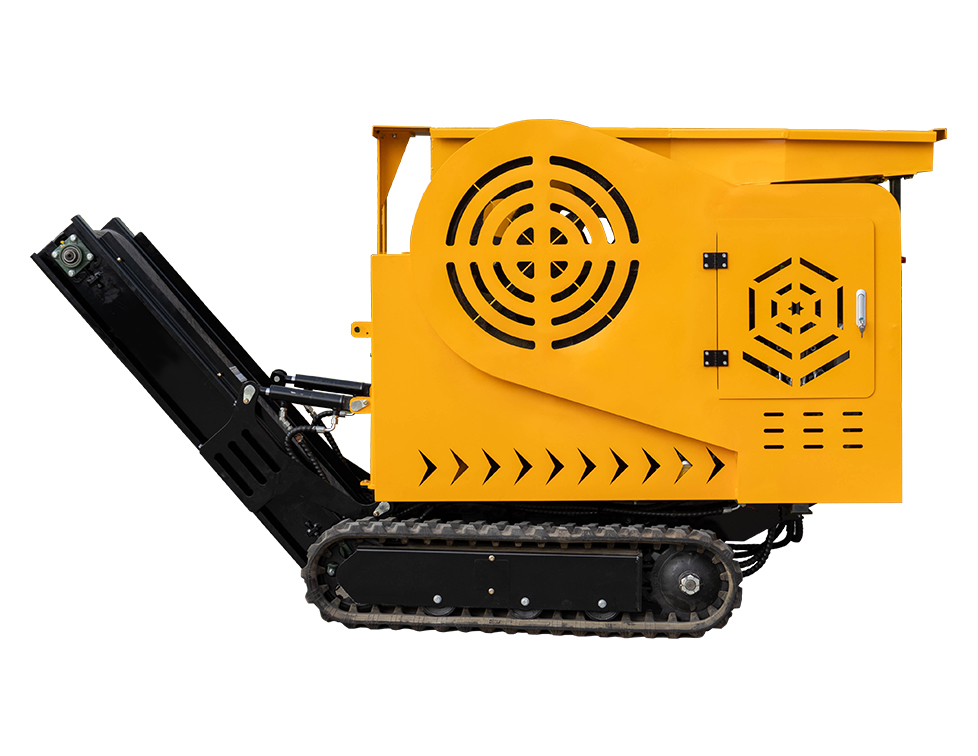
If you’re in construction, mining, or aggregate production, you know how critical it is to have a crusher that can handle the raw materials your project throws at it. Jaw crushers stand as the workhorse of primary crushing for a reason—they’re tough, versatile, and built to tackle a huge range of materials, from soft limestone to ultra-hard granite. But not all jaw crushers perform the same, and understanding exactly which materials they process best, plus the technical specs that make that possible, is key to picking the right equipment for your job. Below, we break down the full scope of materials jaw crushers handle, the engineering that makes it happen, real-world results, and the business value this equipment brings to every project.
Material Range and Compressive Strength Capabilities
Jaw crushers excel at processing materials with a compressive strength of up to 320 MPa—a critical number that defines their hardiness against tough rock and ore. This range covers nearly all the core materials used in mining and construction, starting with soft to medium-hard options like limestone, dolomite, and gypsum, which are common in road building and concrete production. For these materials, jaw crushers deliver fast, efficient crushing with minimal wear, thanks to their simple but effective toggle plate and jaw plate design.
Where these crushers really shine, though, is with high-hardness materials: granite, basalt, iron ore, quartz stone, and river pebbles all fall within their processing range. These materials are notoriously tough on equipment, but a well-engineered jaw crusher can handle feed sizes of 125mm to 1200mm and produce output sizes from 10mm to 400mm—a wide adjustability that lets operators tailor the end product for everything from coarse aggregate to fine gravel. Even construction and demolition waste, like concrete chunks and broken brick, is no match; jaw crushers turn this recycled material into usable aggregate, aligning with sustainable building practices and cutting raw material costs.
It’s important to note the limits, too: materials with extreme abrasiveness or stickiness (like wet clay with high moisture content) can cause clogging if not pre-treated, but modern jaw crushers solve this with deep crushing chambers that prevent material buildup and optimize flow.
Technical Advantages That Boost Material Processing
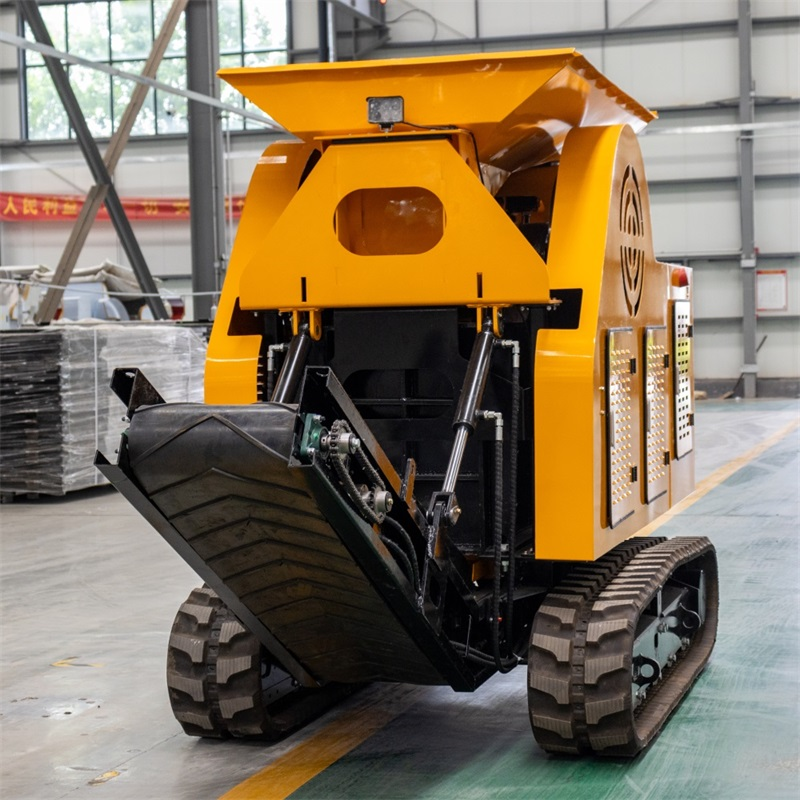
The ability to process such a diverse range of materials isn’t just about brute force—it’s about smart engineering that balances power, durability, and efficiency. First, the frame is welded from high-quality steel plate, which eliminates structural flex even under the heavy loads of crushing hard rock like basalt. This solid construction means the crusher can run continuously for long shifts, a must for mining and large-scale construction projects that demand non-stop operation.
Then there’s the interchangeable jaw plate design: the movable and fixed jaw plates can be flipped or replaced quickly, which boosts material utilization by up to 30% and extends the equipment’s service life. For operators, this translates to less downtime for maintenance and lower replacement part costs over time. The flywheel design is another game-changer—it reduces vibration by absorbing kinetic energy, making the crusher run smoother and quieter, while also cutting down on wear to other components like the bearings and hydraulic system.
Modern jaw crushers also feature an advanced hydraulic adjustment system for the discharge opening. Unlike manual adjustment, which takes hours, hydraulic systems let operators change the output size in minutes, adapting the crusher to different materials or project requirements without halting production for long periods. This versatility is a huge plus for contractors who work on multiple job sites with varying material needs.
Core Operational Parameters for Consistent Performance
Numbers tell the real story when it comes to crusher performance, and jaw crushers have key parameters that ensure reliable processing across all material types. The processing capacity ranges from 1 to 2200 tons per hour—a massive spectrum that caters to small-scale residential construction projects (low tonnage) all the way to large open-pit mines (high tonnage). For example, a 100-ton-per-hour unit is perfect for road construction aggregate production, while a 2000-ton-per-hour crusher handles the high-volume ore processing needs of a mining operation.
The crushing ratio (the ratio of feed size to output size) is another critical parameter, with jaw crushers boasting a ratio of 4:1 to 6:1 for hard materials and up to 8:1 for softer ones. A higher crushing ratio means fewer stages of crushing are needed to get the desired product, which streamlines the production line and cuts energy costs. For instance, processing granite with a 6:1 crushing ratio means a 600mm feed size can be reduced to a 100mm output in a single pass, eliminating the need for a secondary crusher for coarse aggregate.
Energy efficiency is also a key metric: modern jaw crushers use high-power engines paired with optimized hydraulic systems that deliver excellent fuel economy, even when crushing the hardest materials. This reduces operational costs by 15-20% compared to older, less efficient models, a savings that adds up quickly for long-term projects.
Real-World Project Case: Hightop Jaw Crusher in Poland’s Mining and Aggregate Project
A standout example of jaw crusher performance comes from a mining and aggregate production project in southern Poland, where Hightop’s jaw crusher was deployed to process a mix of granite and limestone for local road construction and stone workshop production. The project faced two core challenges: the hard granite (300 MPa compressive strength) was wearing out older crushers quickly, and the project needed a flexible unit that could switch between processing granite for road base and limestone for concrete aggregate—all while meeting a daily production target of 1,800 tons.
Hightop’s jaw crusher was selected for its 320 MPa compressive strength rating and 200-ton-per-hour processing capacity for granite, a spec that meant it could handle the hard rock without excessive wear. The interchangeable jaw plates were a critical solution here: they lasted 50% longer than the plates on the previous crusher, cutting maintenance downtime from 8 hours per week to just 2 hours. The hydraulic discharge adjustment system also let the team switch between a 50mm output (for road base) and a 150mm output (for concrete aggregate) in under 10 minutes, eliminating the need for a second crusher and streamlining the production line.
The results were transformative: the project hit its 1,800-ton daily target consistently, with a 25% increase in overall production efficiency compared to the previous setup. The crusher’s ability to process recycled concrete waste from local demolition projects also added a sustainable element, with the recycled aggregate making up 30% of the road base material—cutting raw material costs by $40,000 over the 6-month project. Hightop’s global service network, with a local service center in Poland, also ensured that any minor maintenance issues were resolved within 24 hours, keeping downtime to an absolute minimum.
Commercial Value for Contractors, Developers and Distributors
For contractors, the biggest value of a high-performance jaw crusher is versatility and reliability. Being able to process every material from limestone to granite, plus recycled waste, means one piece of equipment can handle multiple job sites—eliminating the need to rent or buy specialized crushers for different projects. This cuts capital expenditure and reduces transportation costs for moving equipment between sites.
Developers benefit from the consistent product quality jaw crushers deliver. The uniform particle size of the crushed aggregate ensures better concrete strength and road durability, which reduces project defects and costly rework. For large-scale infrastructure projects like highways and commercial buildings, this consistency is non-negotiable for meeting building codes and project deadlines.
Distributors stand to gain from the high demand for jaw crushers that combine performance and low operational costs. Modern models with advanced features like hydraulic adjustment and interchangeable parts have a higher resale value and attract a wider customer base—from small local contractors to large mining companies. Additionally, the global certification of top-tier jaw crushers (ISO9001, CE, SGS) means they can be sold in over 100 countries, opening up international market opportunities.
Final Thoughts
Jaw crushers are the backbone of primary crushing for a reason—their ability to process nearly every material in the construction and mining industry, paired with smart engineering and flexible operation, makes them an indispensable piece of equipment. From the 320 MPa compressive strength rating that handles hard granite to the 1-2200 ton-per-hour capacity that scales to any project size, these crushers deliver both technical performance and real business value.
The Poland project is just one example of how the right jaw crusher can solve critical project challenges, boost efficiency, and cut costs—all while aligning with sustainable building practices. For anyone in the industry, investing in a jaw crusher that’s built to handle the full range of materials, with the technical specs to back it up, isn’t just a purchase—it’s a long-term investment in project success and operational efficiency.
Table of Contents
- Material Range and Compressive Strength Capabilities
- Technical Advantages That Boost Material Processing
- Core Operational Parameters for Consistent Performance
- Real-World Project Case: Hightop Jaw Crusher in Poland’s Mining and Aggregate Project
- Commercial Value for Contractors, Developers and Distributors
- Final Thoughts