
 EN
EN
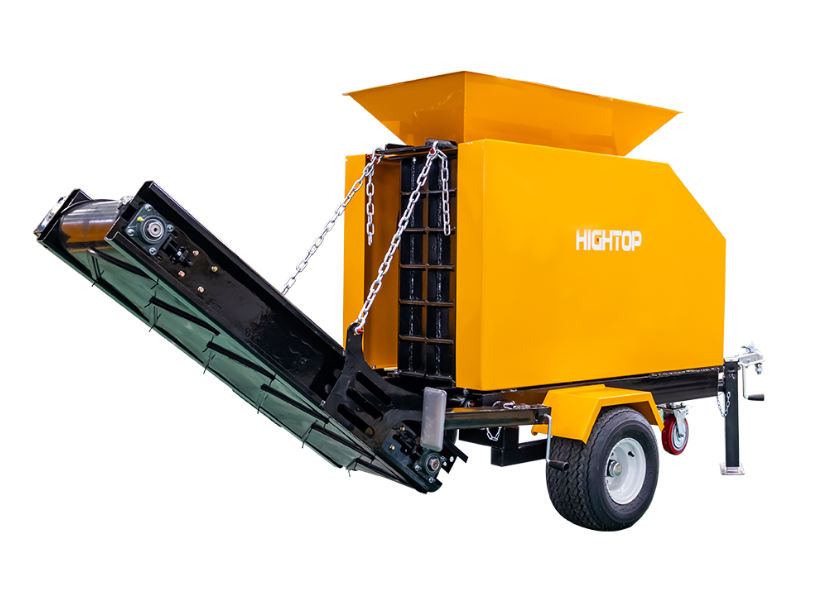
Modern construction and infrastructure development rely heavily on the efficient processing of raw materials to meet rigorous structural standards. As urban expansion accelerates and major civil engineering projects scale up, the demand for high-grade aggregate materials continues to rise exponentially. Contractors, developers, and regional distributors face immense pressure to secure reliable, uniform-sized crushed rock, gravel, and recycled concrete for foundational work. At the center of this material supply chain lies the stone crusher, a robust and versatile machine designed to transform large, unwieldy boulders into precisely graded construction aggregates that serve as the backbone of modern roads, bridges, and high-rise structures.
The evolution of modern architecture and civil construction has changed how aggregates are sourced and processed. In the past, material acquisition involved high labor costs, inconsistent sizing, and extensive manual sorting. Today, deploying an advanced industrial stone crusher allows project managers to streamline material flow directly at the job site or regional quarry. By breaking down quarried limestone, granite, basalt, or demolition rubble into controlled fractions, these machines eliminate supply bottlenecks. Understanding the technological mechanics and operational parameters of modern crushing equipment is vital for any commercial enterprise aiming to optimize project timelines, control material expenditure, and maintain strict quality standards across all building phases.
Understanding the Technical Superiority and Crushing Dynamics
The structural integrity of any crushing machine dictates its long-term operational viability in harsh industrial environments. High-performance models utilize heavy-duty manganese steel jaw plates or robust impact rotors designed to endure extreme compressive forces without structural deformation. When raw material enters the crushing chamber, the kinetic energy transferred through the eccentric shaft and toggle mechanism applies uniform pressure, cleanly fracturing the rock along its natural geological fault lines rather than merely grinding it down. This precision fracture mechanics ensures superior cubical shape output, which is essential for high-strength asphalt and reinforced concrete mix designs.
Optimizing operational parameters requires careful consideration of closed-side settings, eccentric speed, and motor power ratings. For instance, primary jaw configurations often handle feed sizes up to 500 millimeters, reducing large quarried stones into manageable 50 to 100-millimeter outputs in a single continuous pass. Secondary cone or impact units then refine these fractions down to specialized sub-base or fine sand specifications ranging from 0 to 20 millimeters. Furthermore, advanced hydraulic adjustment systems allow operators to modify discharge settings safely from the control panel, minimizing downtime and ensuring consistent gradation curves that meet strict international civil engineering codes.
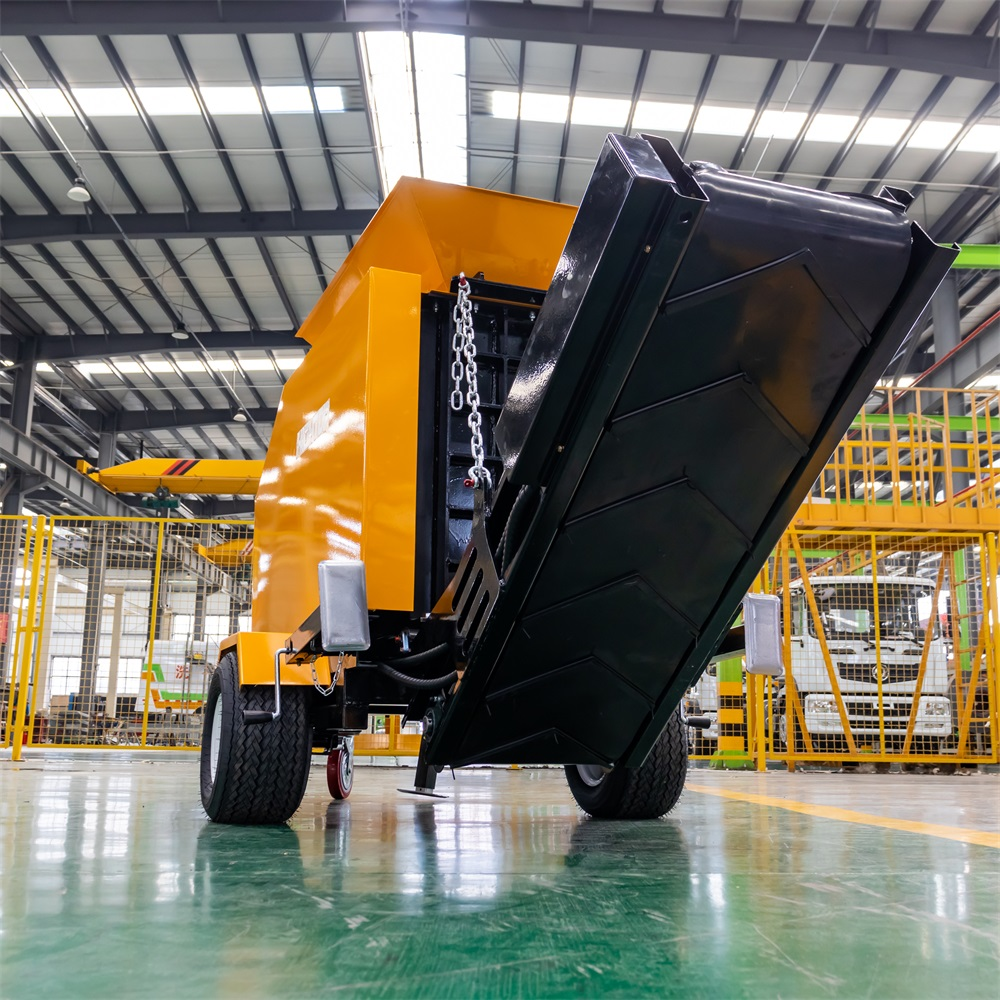
Advanced Hydraulic Protection and Operational Safety
Operating heavy machinery in abrasive environments introduces significant mechanical stress, particularly within the crushing chamber. Modern industrial engineering addresses this challenge by incorporating sophisticated hydraulic overload protection systems. If uncrushable elements, such as stray metal fragments, accidentally enter the chamber, high-pressure relief cylinders immediately clear the blockage by opening the discharge gap, preventing catastrophic damage to the frame and toggle assembly. Once the obstruction passes, the system automatically resets to its original calibrated position without requiring manual intervention from field technicians.
In addition to mechanical safety, thermal management and lubrication integrity are critical for maintaining continuous throughput during peak operational seasons. High-capacity circulating oil lubrication systems equipped with advanced filtration units continuously cool and clean internal bearings, preventing premature wear caused by microscopic dust particles and high operating temperatures. This level of meticulous engineering ensures that equipment operates efficiently over thousands of operating hours, drastically reducing unexpected maintenance overhead and maximizing the overall asset lifecycle for equipment rental fleets and commercial aggregate producers.
Real-World Application and Project Performance
Deploying specialized crushing equipment yields measurable productivity gains across diverse regional markets and infrastructure initiatives. A major municipal road construction project in Santiago, Chile, required the continuous supply of 150,000 tons of high-strength crushed aggregate for highway sub-base stabilization and asphalt paving. The local contractor faced severe logistical challenges due to the remote quarry location and strict environmental regulations governing dust emissions and noise pollution on site.
By integrating a heavy-duty stone crusher sourced from Hightop into their regional processing plant, the contractor successfully transformed raw basalt boulders into precisely graded 0-38mm road base material at a sustained output rate of 120 tons per hour. The enclosed chamber design, combined with integrated water-spray dust suppression manifolds, reduced airborne particulate matter by 65 percent, keeping the operation fully compliant with strict local environmental standards. The machine's high reduction ratio allowed the team to bypass an entire secondary screening stage, reducing fuel consumption by 30 percent and completing the highway stabilization phase three weeks ahead of schedule.
The economic impact of this deployment was substantial. Material procurement and long-distance transportation costs dropped by 40 percent because aggregates were processed directly adjacent to the construction corridor. Furthermore, the uniform cubical shape of the crushed product improved interlocking characteristics within the road base, resulting in superior load-bearing capacity that successfully passed municipal density and compaction audits on the first inspection.
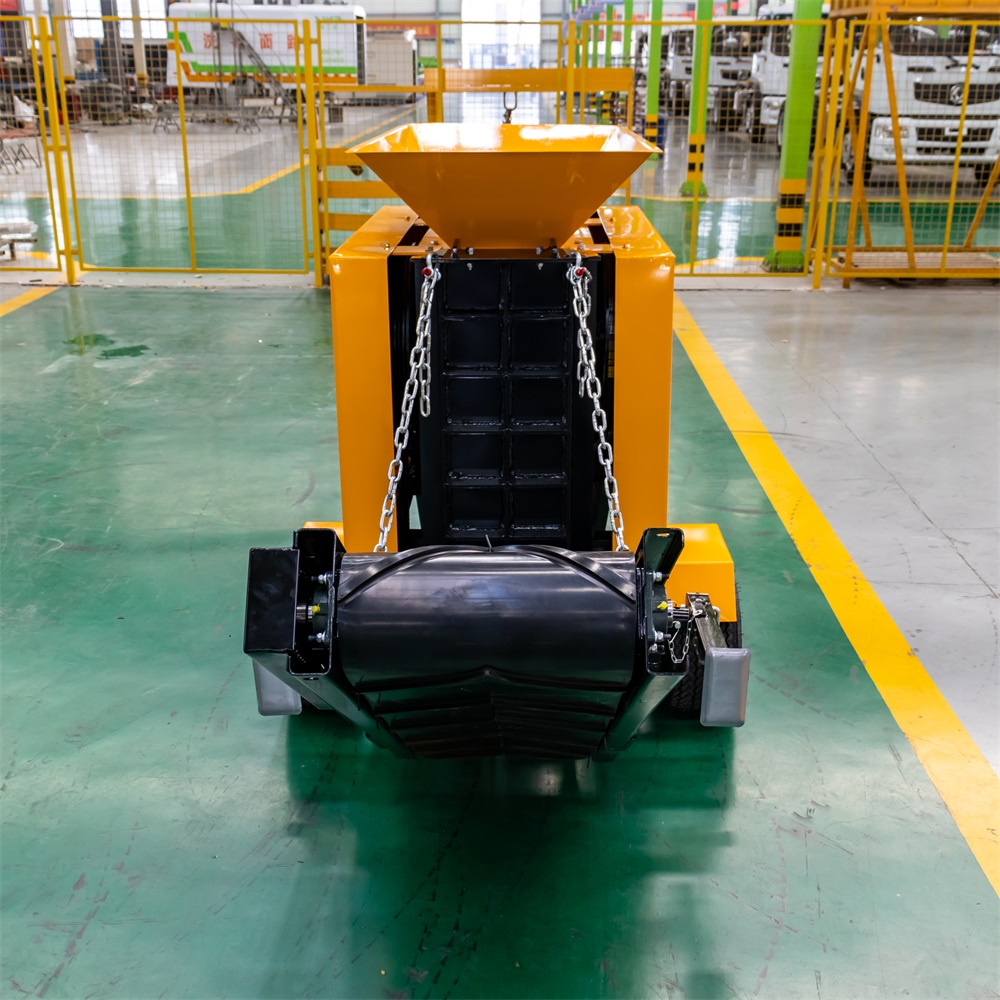
Maximizing Commercial Value and Fleet ROI
For equipment dealers, rental companies, and large-scale developers, investing in versatile material processing machinery represents a high-return capital allocation. Fleet managers frequently evaluate return on investment based on asset versatility, throughput capacity, and resale value. Traditional single-stage crushers often struggle to adapt to varying feed hardness, leading to frequent operational bottlenecks. Conversely, modern modular crushing plants allow operators to interchange jaw, cone, and impact modules based on specific project requirements, ensuring high utilization rates across diverse sectors such as road building, commercial demolition recycling, and quarry mining.
Evaluating the total cost of ownership involves analyzing wear-part replacement cycles, fuel efficiency, and structural durability. Premium crushing units feature easily replaceable, reversible wear liners crafted from high-chrome alloys, which extend maintenance intervals significantly compared to standard carbon-steel alternatives. When evaluating procurement options, commercial buyers prioritize manufacturers offering transparent technical documentation, comprehensive spare parts availability, and robust engineering support to minimize unexpected operational interruptions and safeguard project profitability.
Manufacturing Excellence and Supply Chain Strength
Sourcing reliable crushing machinery requires partnering with advanced manufacturing facilities capable of strict quality control and precision fabrication. State-of-the-art production lines utilize automated robotic welding systems to ensure uniform penetration and structural integrity across every stress-bearing mainframe component. Computer numerical control boring and milling machinery guarantees exact dimensional tolerances for eccentric shafts, bearing housings, and flywheel assemblies. Rigorous quality assurance protocols, including ultrasonic weld testing and continuous load testing, ensure that every stone crusher meets international safety and performance benchmarks before leaving the factory floor.
Manufacturing excellence extends to supply chain transparency and global logistics support. Facilities leveraging advanced machining centers and standardized component inventories can efficiently fulfill custom specifications and replacement part orders for international partners. Hightop maintains rigorous manufacturing standards, utilizing certified alloy steels and wear-resistant materials sourced from globally recognized suppliers. This commitment to precision engineering ensures that equipment dealers, contractors, and regional distributors receive durable, field-tested processing equipment engineered to perform reliably under the most demanding operating conditions worldwide.