
 EN
EN
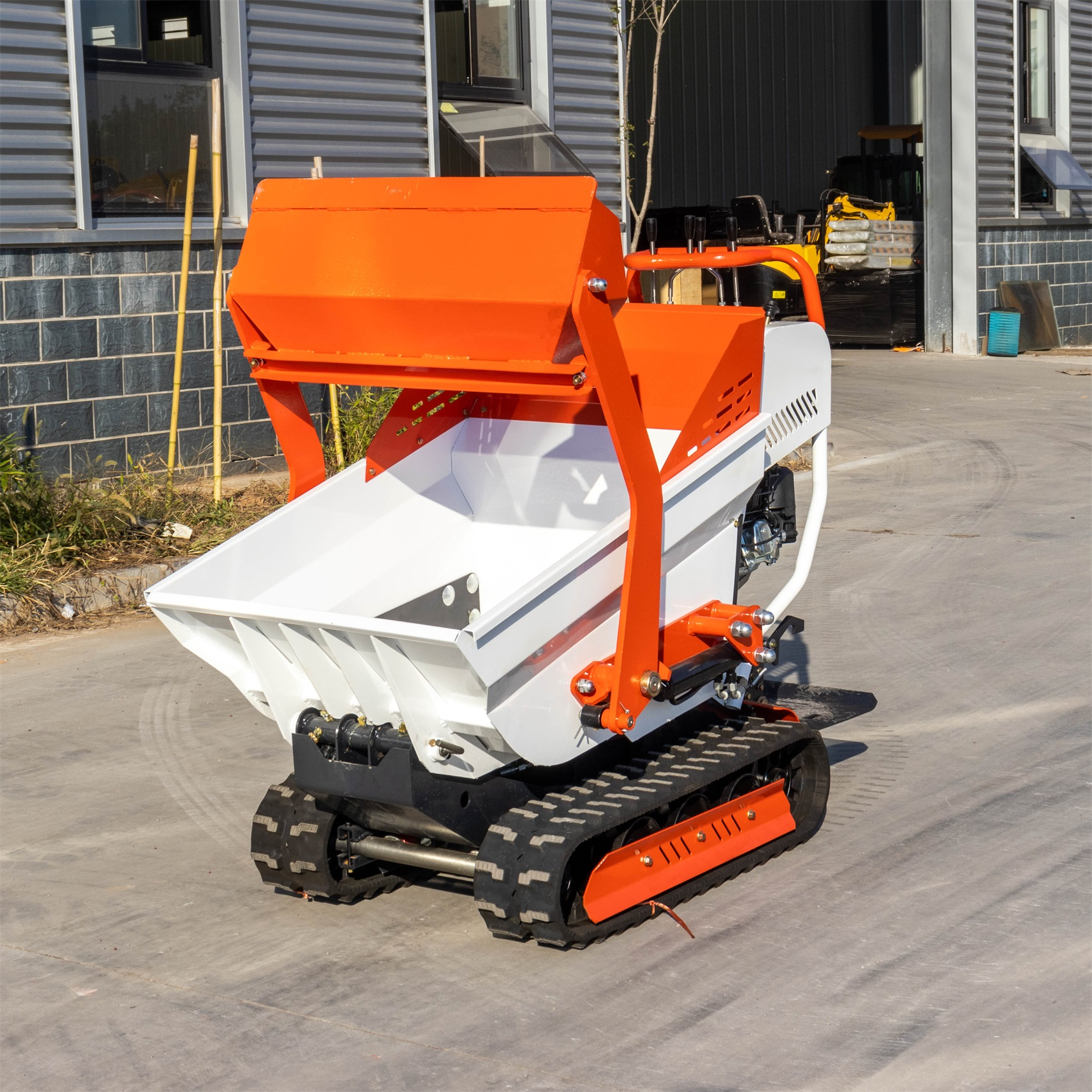
Effektiv håndtering af materialer er stadig grundstenen i ethvert vellykket bygge- eller landskabsprojekt. Mens tunge lastbiler dominerer store infrastrukturprojekter, udgør den sidste transporttrin – den såkaldte "sidste kilometer" inden for en trang byggeplads – ofte den største logistiske udfordring. Her har mini dumpetrucken udviklet sig fra et specialiseret værktøj til et uundværligt redskab på byggepladsen. Disse kompakte kraftkilder dækker et mellemrum mellem manuelt arbejde og tung maskineri og tilbyder en fleksibilitet, som traditionel udstyr simpelthen ikke kan matche.
Teknisk fremragende konstruktion og tekniske fordele
Den primære fordel ved en mini dumpbil ligger i dens strukturelle integritet kombineret med en kompakt størrelse. I modsætning til en almindelig håndvogn, der kræver, at operatøren holder balancen og bruger fysisk styrke, anvender en professionel dumpbil et solidt chassis og et hydraulisk kippeanlæg. Denne konstruktion gør det muligt at have et betydeligt højere tyngdepunkt, samtidig med at stabiliteten opretholdes på ujævn terræn.
En af de fremtrædende egenskaber ved moderne modeller er integrationen af 4WD-systemer eller gummi tracks med høj greb. For entreprenører, der arbejder i blødt jord eller mudderagtige forhold, fordeler sporede modeller vægten mere effektivt og forhindrer, at maskinen synker ned eller beskadiger underliggende overflade. Desuden er de hydrauliske løfteanlæg konstrueret til præcision. Dette giver operatørerne mulighed for at udskille materialer i højtliggende skraldespande eller over støtvægge med kirurgisk nøjagtighed, hvilket reducerer behovet for efterfølgende rengøring.
Ydelsesmål og kerne-specifikationer
For at forstå, hvorfor en mini-dumper er en bedre investering, skal man se på de specifikke dataværdier, der definerer dens driftskapacitet. For eksempel har en højtydende enhed typisk en lastekapacitet på ca. 500 kg til 800 kg. For at sætte dette i perspektiv svarer det til at transportere ti almindelige skovlkar med våd beton på én tur.
Kraften leveres normalt af en pålidelig benzin- eller dieselmotor, f.eks. et 9 HK luftkølet system, som leverer den nødvendige drejningsmoment til at køre op ad bakker på op til 20 grader, mens enheden er fuldt lastet. Hastighed er også en afgørende faktor; de fleste enheder har en maksimal fremadrettet hastighed på ca. 5 km/t. Selvom dette måske virker langsomt i forhold til en lastbil, er det den ideelle hastighed til at sikre sikkerheden på travle arbejdspladser, mens der transporteres store mængder materiale. Køretøjets spandvolumen, ofte omkring 0,2–0,3 kubikmeter, er præcist dimensioneret til at modtage last direkte fra en mini-graver, hvilket skaber en nahtløs arbejdsgang på stedet.
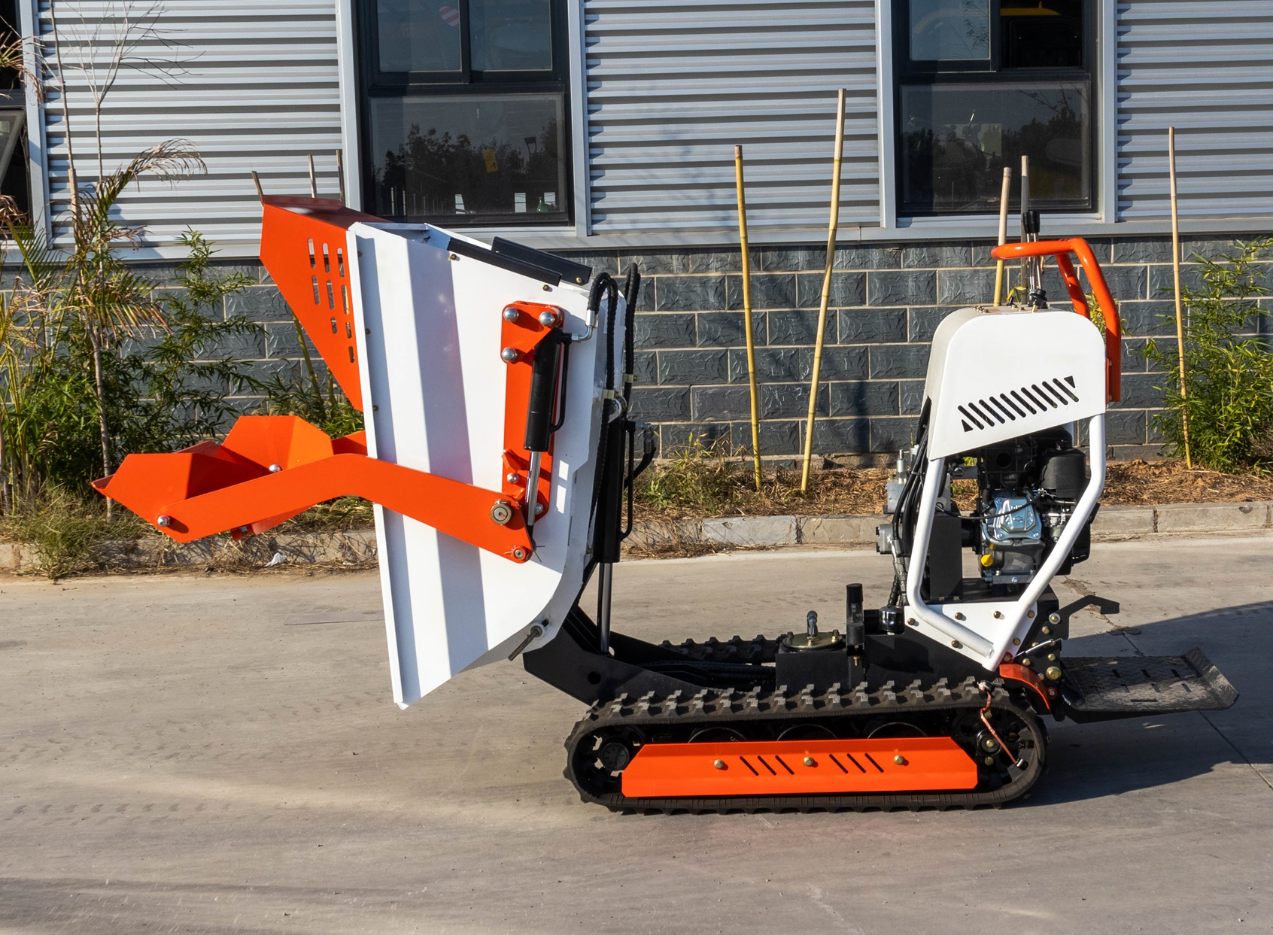
Case Study: Byomdannelse i Lyon, Frankrig
I begyndelsen af 2025 stod en mellemstor landskabsarkitektvirksomhed i Lyon, Frankrig, over for en betydelig logistisk udfordring under en renovering af en privat baghave. Projektet omfattede transport af 120 tons udgravet jord og levering af 40 tons dekorativ sten. Den eneste adgang til byggepladsen var en sideport med en bredde på blot 85 cm, hvilket gjorde det umuligt for skidsteers eller fuldstørrelsesdumpere at komme ind.
Entrepreneureren satte en Hightop sporetdumper i drift for at løse denne flaskehals. Da enheden har en smal bredde på kun 720 mm, kunne den nemt navigere gennem den smalle sidesluse. I løbet af det tre uger lange projekt flyttede maskinen hele de 160 tons materiale. Hvis man havde brugt manuelt arbejde, havde entrepreneureren estimeret, at et seksmandshold ville have brugt tolv dage udelukkende på transporten. Med den mini dumper fuldførte én operatør opgaven på blot fem dage. Dette reducerede arbejdskraftomkostningerne med 60 % og sikrede, at projektet forblev forud for tidsplanen, selvom adgangen var begrænset.
Driftsmæssig holdbarhed og materialelevetid
Pålidelighed i feltet handler ikke kun om motoren; det handler om stålets kvalitet og beskyttelsen af hydraulikkomponenterne. Professionelle enheder bruger forstærkede stålskraldespande med en tykkelse på 3 mm til 4 mm for at modstå stødet fra falde sten og tunge affaldsdele. Brugen af pulverlakerede overflader sikrer, at maskinen forbliver korrosionsbestandig – hvilket er afgørende for udstyr, der ofte udsættes for våd cement og udendørs forhold.
Desuden forenkles vedligeholdelsen gennem lettilgængelige motorrum. En velvedligeholdt mini-dumper kan levere over 2.000 timer med topydelser, inden der kræves større reparationer. For en udlejningsvirksomhed eller en travl entreprenør omsættes denne levetid til en meget lav ejerskabsomkostning. De indvendige hydraulikpumper er dimensioneret til højtrykscyklusser, hvilket sikrer, at tippefunktionen forbliver glat og responsiv, selv efter flere tusinde lastninger.
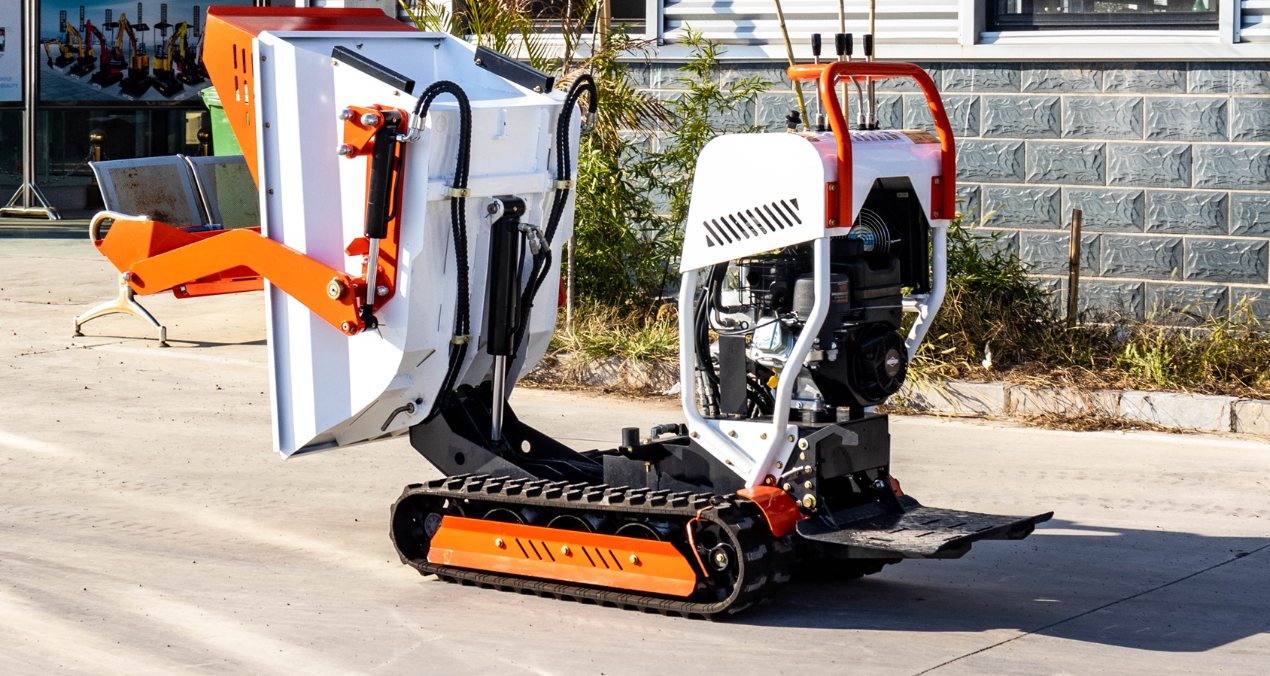
Maksimering af kommerciel værdi for interessenter
For udviklere og byggepladsledere er beslutningen om at integrere mini-dumpere drevet af bundlinjen. At mindske den fysiske belastning på arbejdstagerne fører til færre skader og lavere omsætningsrater. Endnu vigtigere er, at det fremskynder byggepladsens "cykeltid". Når en gravemaskine ikke behøver at vente på, at en person flytter en håndvogn, bliver hele driften mere rentabel.
Distributører finder også disse maskiner meget markedsførlige på grund af deres alsidighed. En enkelt enhed kan sælges til en række forskellige sektorer, herunder vinproduktion, kirkegårdspflege, indendørs nedrivning og traditionel byggeri. Da disse maskiner er nemme at transportere – ofte passer de i bagagerummet af en almindelig varebil eller en lille anhænger – er de den perfekte tilføjelse til lejeflåder, hvor transportlogistik udgør en betydelig omkostning.
Fremtidssikring af moderne byggepladser
Da byområder bliver mere tæt beboede, bliver den tilgængelige byggeplads vedvarende mindre. Trenden mod "kompakt udstyr" er ikke en forbigående mode; den er en respons på virkeligheden inden for moderne arkitektur. At investere i en mini dumpetruck er et strategisk skridt for at sikre, at et firma forbliver konkurrencedygtigt i byprojekter med høj bebyggelsesgrad, hvor plads er en sjældenhed.
Ved at kombinere rå kraft med en kompakt ramme leverer disse maskiner en effektivitet, som manuel arbejdskraft simpelthen ikke kan matche. Uanset om det drejer sig om en Hightop-enhed, der håndterer en mudderig skrænt, eller en flåde af dumpetrucks, der betjener en større boligudvikling, er resultatet det samme: kortere færdiggørelsestider, sikrere arbejdsmiljøer og betydeligt højere fortjenstmargener pr. ton transporteret.