
 EN
EN
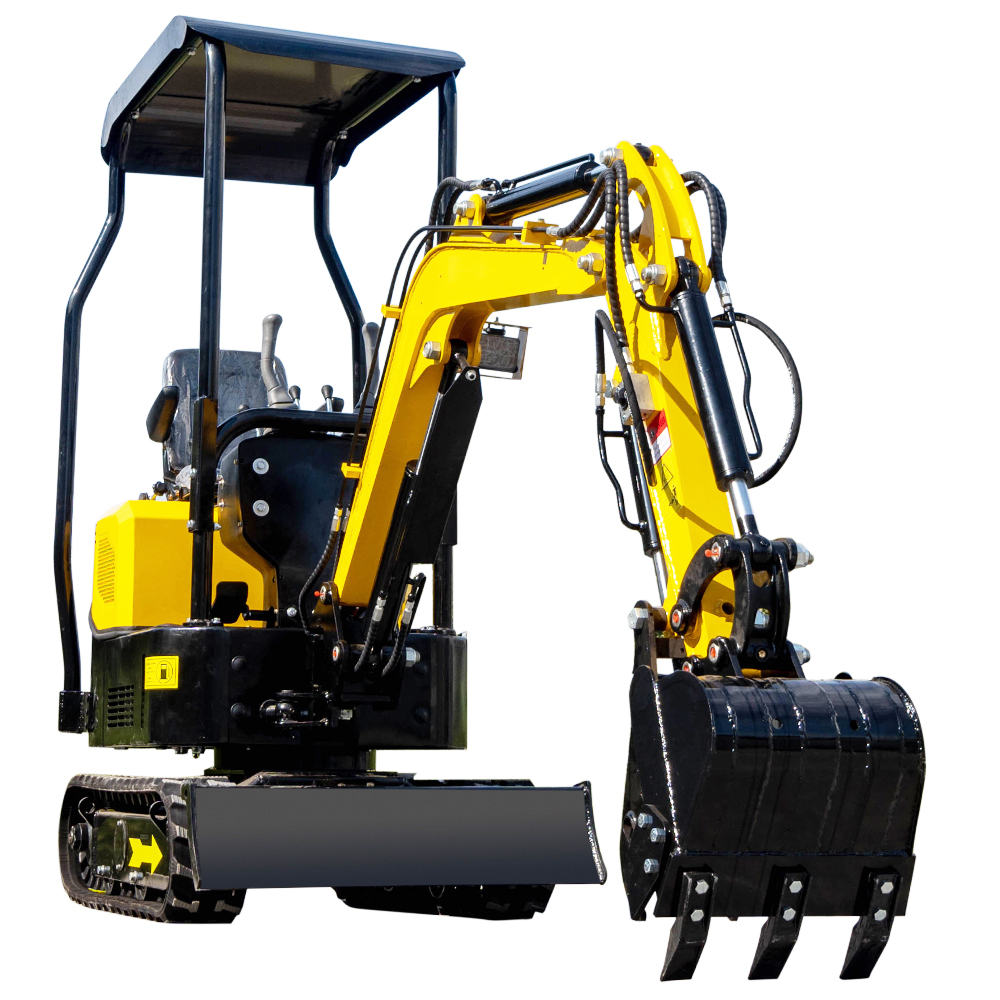
A Trenching Case Solved by a Compact Mini Excavator: Technical Breakdown and Field Insights
Effective trenching in tight, constrained spaces requires a precise synergy between hydraulic flow, machine footprint, and operator control. When projects involve navigating residential utility corridors, narrow urban alleyways, or high-density landscaping areas, contractors often encounter a logistical deadlock: how to excavate efficiently without causing structural damage or incurring the excessive costs of manual labor. A high-performance compact mini excavator provides a solution that balances an optimized operating weight with a footprint under 1000mm in width, ensuring access where traditional, larger machinery fails. This article dives deep into the technical specifications and operational strategies that make compact equipment an indispensable asset for modern site development.
Maximizing Hydraulic Efficiency in Compact Excavation
The technical superiority of a compact mini excavator is defined by its ability to maintain constant pressure under load. Unlike standard machinery that may experience hydraulic fade during extended use, a professionally engineered compact unit utilizes a high-torque engine, optimized for consistent hydraulic output during sustained excavation cycles. The machine’s hydraulic system maintains a rated pressure typically between 16Mpa and 18Mpa. This specific pressure range allows the bucket to generate a significant breakout force, enabling the unit to penetrate dense, compacted clay or rocky soil strata without the need for manual pre-digging or secondary light-tool assistance.
For contractors, this is not just a statistic; it is the difference between project profitability and delays. When a machine can sustain its hydraulic power throughout an 8-to-10-hour production window without risking overheating, the output per shift increases significantly. The internal valve structure of these excavators is designed to prioritize flow to the boom and bucket cylinders, ensuring that even under simultaneous operation—such as slewing and digging—the motion remains smooth and reactive.
Case Study: Residential Fiber-Optic Installation in Ontario, Canada
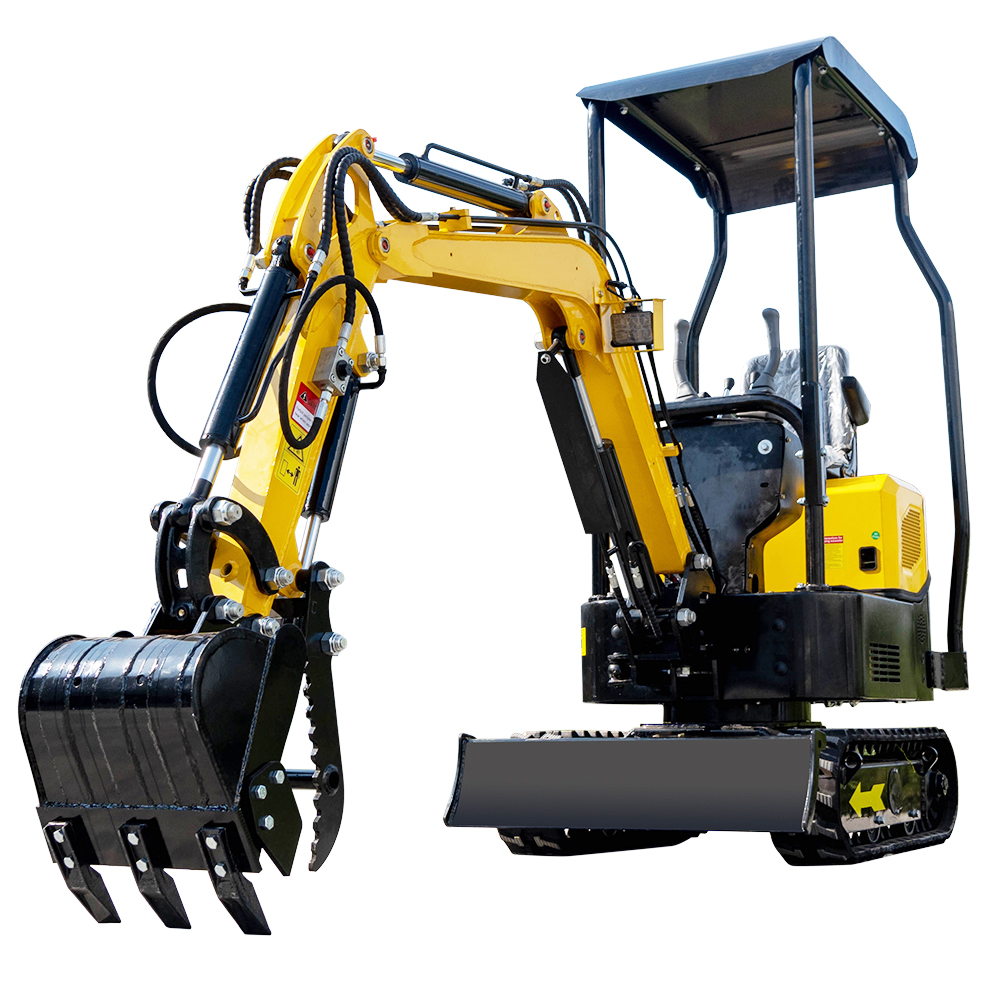
In a recent infrastructure initiative located in Ontario, Canada, a local civil engineering firm was tasked with upgrading telecommunication lines across a high-density residential development. The site presented extreme logistical challenges. The primary constraint was a 1.2-meter clearance between existing boundary fences and mature, fragile landscaping, which prohibited the use of standard 3-ton equipment. Any heavy vehicle entry risked crushing underground irrigation conduits or damaging expensive exterior finishes.
The contractor decided to deploy a Hightop compact mini excavator, configured with a 200mm narrow-trenching bucket specifically designed for precision utility work. By utilizing the machine's 140-degree boom swing capability—a feature that allows the boom to pivot independently of the house—the operator successfully excavated a 150-meter-long trench with a depth of 600mm. Throughout the project, the operator had to navigate around active service lines. The machine’s precision control, facilitated by its intuitive pilot joystick layout, allowed the operator to carve the trench walls with clean, vertical edges.
The result was a 35% reduction in the volume of soil disturbed, which subsequently reduced the volume of backfill required. According to project data provided by the site manager, this precision approach resulted in an estimated $2,200 in savings regarding landscape restoration costs. Furthermore, the overall duration of the trenching phase was reduced from three days of manual labor and light equipment coordination to just six hours of focused operational time. This success story proves that the compact mini excavator is not merely a tool for small tasks but a highly efficient, professional-grade asset for complex infrastructure projects.
Optimizing Versatility for Fleet Management
Modern B2B contractors derive the most value from multi-functional assets. Quality compact excavators are engineered with a 3-way auxiliary valve system that enables the rapid attachment of hydraulic hammers, augers, or thumb-grabbers within a 5-minute setup time. This capability is vital for fleet managers who must prioritize machine utilization rates. By having one machine capable of switching from a trenching bucket to an auger for fence post installation, a contractor can complete foundation work, utility work, and site preparation with the same piece of equipment.
Furthermore, the retractability of the undercarriage is a critical technical parameter. The ability to retract the chassis to 900mm allows the machine to traverse standard residential doorways, while the extendable undercarriage provides a 15% increase in lateral stability during side-trenching operations. This balance of mobility and stability is what sets high-end compact excavators apart from entry-level machines. When operating on uneven or sloped terrain, the wider track stance prevents the machine from tipping, ensuring operator safety and maintaining consistent digging depth.
Technical Maintenance and Long-term Reliability
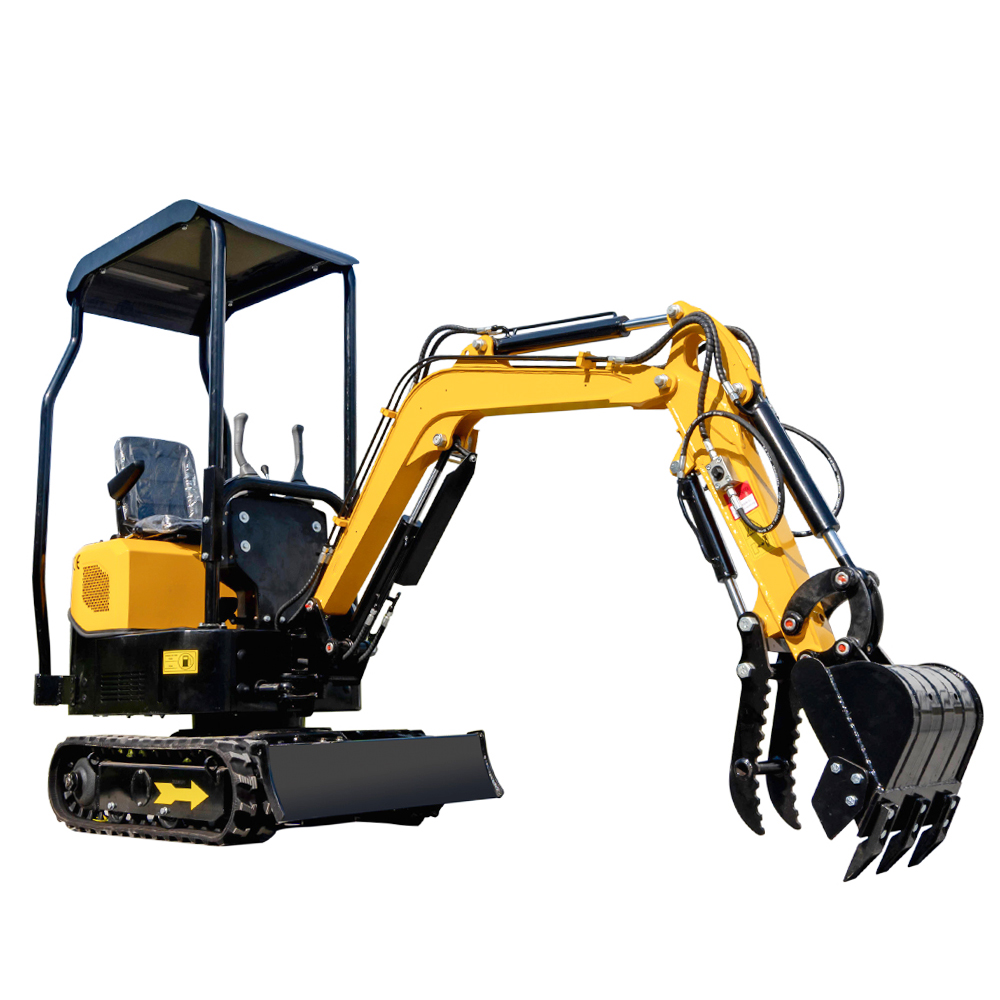
For long-term reliability and lower total cost of ownership (TCO), professional-grade compact mini excavators feature a simplified maintenance access design. Critical service points—such as the air filter, oil dipstick, and hydraulic fluid check—are accessible within 30 seconds via the rear hood. In industrial environments where downtime is the enemy of profit, this accessibility reduces scheduled maintenance time by approximately 20% compared to previous-generation models.
Moreover, the materials utilized in the assembly play a major role in durability. By prioritizing high-grade seals, corrosion-resistant hydraulic lines, and wear-resistant pin bushings, these machines are designed to sustain 3,000+ hours of operation even in high-dust and high-moisture environments. Whether it is handling abrasive sand in a new development or sticky, wet soil in a forest clearing, the structural integrity of the boom and arm remains robust. For a contractor looking to expand their operations, investing in equipment that requires less frequent, complex repairs is a strategic move that pays dividends over the lifespan of the machine.
In summary, the transition from manual, labor-intensive trenching to mechanized precision via compact mini excavators is an inevitable step for any growing construction business. By understanding the core technical parameters—hydraulic pressure, engine torque, swing capability, and structural material quality—contractors can select equipment that solves today's trenching problems while ensuring the long-term viability of their heavy machinery fleet.
Table of Contents
- A Trenching Case Solved by a Compact Mini Excavator: Technical Breakdown and Field Insights
- Maximizing Hydraulic Efficiency in Compact Excavation
- Case Study: Residential Fiber-Optic Installation in Ontario, Canada
- Optimizing Versatility for Fleet Management
- Technical Maintenance and Long-term Reliability