
 EN
EN
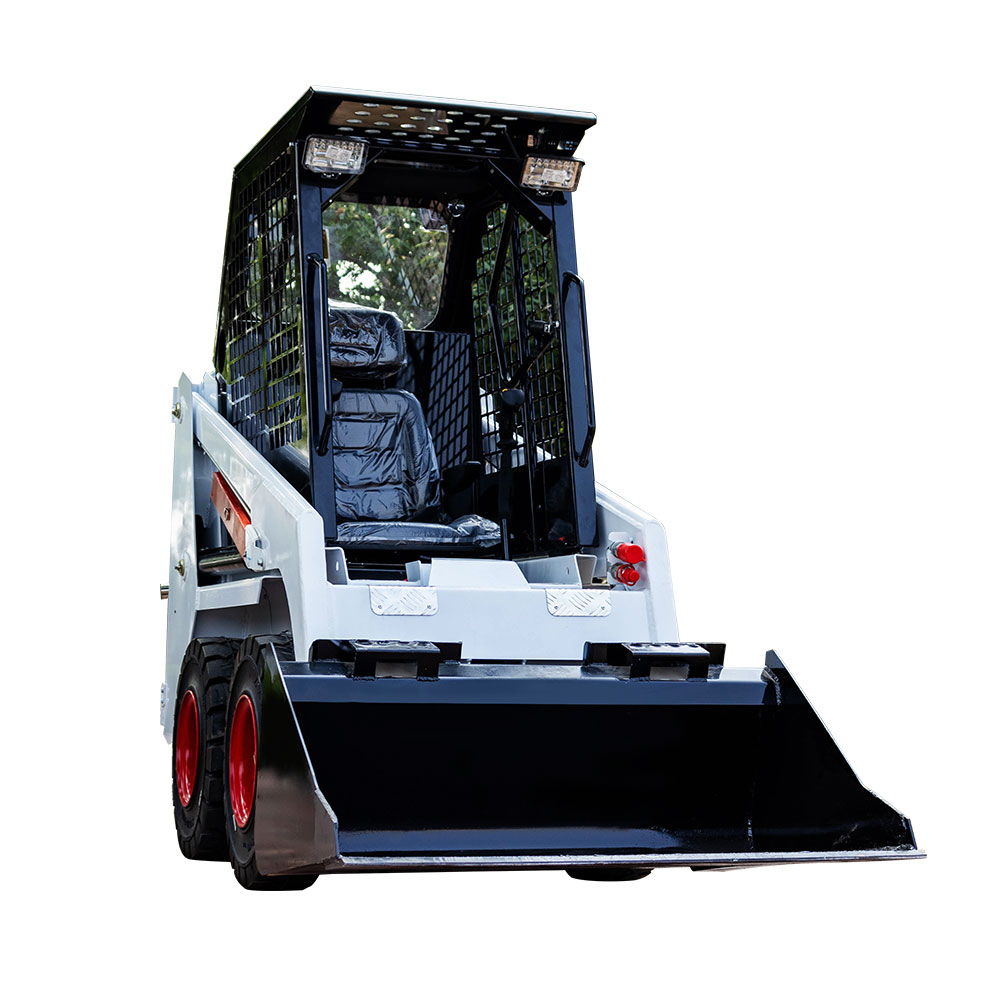
Optimizing Site Cleanup with Specialized Equipment
In the realm of construction and land development, the process of site cleanup is often the most overlooked yet critical phase of project management. A Skid Steer Loader serves as the backbone of these operations, providing the agility and power needed to remove debris, level ground, and prepare surfaces for the next stage of development. The primary advantage of a Skid Steer Loader in this context lies in its compact design and exceptional maneuverability. Unlike traditional heavy equipment that requires vast operational space, this machine can rotate on its axis, making it ideal for clearing tight urban construction sites or navigating complex residential landscapes. When contractors integrate this versatile piece of machinery into their workflow, the total time required for site preparation is frequently cut by a significant margin. This shift from manual labor to machine assisted clearing not only boosts efficiency but also minimizes the risk of injury for the onsite crew. By managing the movement of earth and waste with precision, the loader ensures that the project remains on track from the very first day.
Technical Prowess and Operational Efficiency
Achieving peak productivity during site cleanup requires a deep understanding of the technical specifications of a Skid Steer Loader. The hydraulic flow rate, typically ranging from 15 to 30 gallons per minute on modern units, determines the force available for attachments such as sweepers, grapple buckets, or pallet forks. For site cleanup, selecting a model with high breakout force ensures that even stubborn compacted waste or heavy concrete chunks can be cleared without straining the engine. Experts in the field emphasize that maintaining the correct tire pressure or track tension is paramount for stability, especially when operating on uneven terrain where load distribution is constantly shifting. Hightop ensures that every Skid Steer Loader provided to the market is engineered with high grade steel and robust hydraulic systems, allowing operators to tackle the most demanding cleanup tasks with confidence. Precision engineering in these loaders guarantees that the machines remain responsive throughout long shifts, ultimately providing the reliability that contractors depend on to keep their projects on schedule. The integration of modern cooling systems also prevents downtime, ensuring that the loader remains operational even in the most sweltering climates or during intensive daily usage cycles.
Case Study of Enhanced Project Throughput
A recent industrial redevelopment project in Southeast Asia provides a clear example of the efficiency gains possible with a well maintained Skid Steer Loader. The project site was littered with debris from old structure demolitions, which needed to be cleared within a very narrow window to avoid costly delays. The contractors employed a fleet of loaders equipped with specialized grapple attachments to sort through scrap metal and concrete waste. By utilizing the rapid cycle times of a Skid Steer Loader, the onsite team was able to process over 200 tons of material in just under three days. This outcome highlights that the machine is not merely a tool for lifting, but a strategic asset that allows for rapid site transformation. The ability to switch attachments seamlessly meant that the same machine could sweep dust, lift heavy debris, and load haul trucks, effectively replacing the need for three separate types of traditional equipment on the site. This flexibility was the deciding factor in the project’s early completion, showcasing the immense value of versatile machinery in environments where logistics and timing are the biggest challenges.
Best Practices for Longevity and Performance
The durability of a Skid Steer Loader is directly linked to the maintenance protocols followed during the project lifecycle. In dusty or abrasive cleanup environments, the air intake systems and hydraulic oil filters must be checked at least every 50 hours of operation. Overheating is a common issue when cooling fins are clogged with debris, so keeping the radiator clean is non negotiable for anyone serious about project continuity. Furthermore, ensuring that pivot pins are greased regularly maintains the fluidity of the lifting mechanism, preventing the grinding that often leads to hydraulic failures. Professional operators understand that the machine is an extension of their skills, and providing it with the necessary care ensures that performance remains consistent throughout the machine’s service life. Hightop supports this operational excellence by providing comprehensive technical documentation and a robust supply chain for parts, ensuring that managers can quickly resolve maintenance hurdles and maintain the machine in optimal working condition. Consistent attention to these details prevents small issues from ballooning into major mechanical failures, thereby protecting the investment and keeping the machine ready for the next deployment.
Strategic Value for Modern Construction
Selecting the right machinery for site cleanup is an investment in the long term success of any construction business. The modern construction landscape demands versatility, and a Skid Steer Loader delivers exactly that by adapting to diverse material types and site conditions. For developers who manage multiple sites, the ease of transport for these loaders allows for rapid deployment, which is a major logistical advantage. By standardizing the equipment used across different phases of the project, contractors can streamline their training protocols and reduce the inventory of spare parts required. Hightop remains dedicated to pushing the boundaries of manufacturing quality, offering solutions that turn the most challenging construction environments into organized, efficient job sites. By focusing on equipment that maximizes the power to weight ratio, business owners can ensure that their operations remain competitive and efficient, regardless of the fluctuating demands of the market and the complexities of the terrain. The future of site management relies on such reliable and adaptable equipment to meet the ever increasing standards of safety and project speed.