
 EN
EN
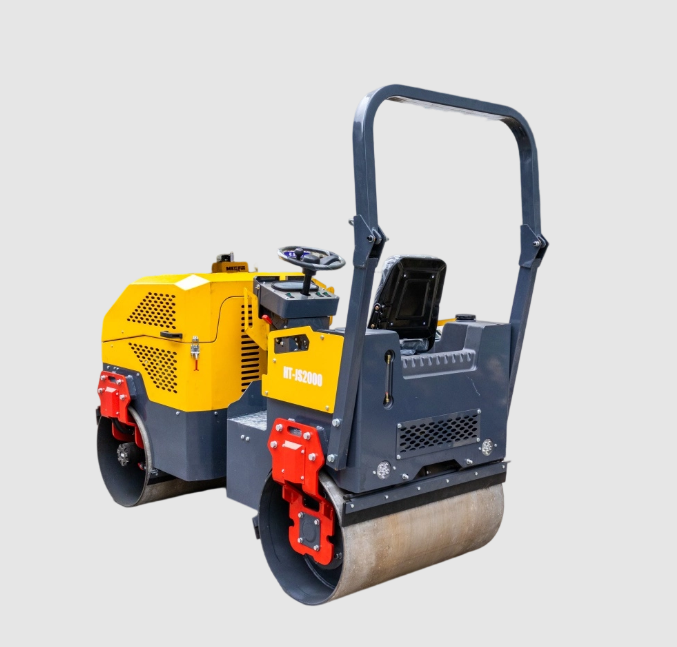
Mastering Ground Stability with the Right Road Roller
In modern infrastructure development, the foundation of every stable road and structure rests on the quality of soil preparation. For contractors aiming to meet rigorous density requirements, selecting a high-performance road roller is non-negotiable. Soil compaction is not merely about flattening the ground; it is a complex engineering process that requires precision equipment to ensure long-term ground stabilization. A professional road roller must provide consistent, uniform force to eliminate air voids within the soil matrix, thereby preventing settlement and premature pavement failure. When looking for the ideal compaction equipment, developers often overlook the intricate relationship between vibratory frequency and material density. However, for those who prioritize efficiency, a reliable road roller is the difference between a project that passes inspection and one that requires costly, time-consuming remediation. This essential piece of ground stabilization gear is the workhorse of the modern construction site, serving as the critical first step in every major road, airport, or industrial facility project.
Engineering Precision in Compaction Equipment
Understanding why a road roller functions effectively requires a deep dive into the mechanical specifications that define its output. Unlike basic heavy machinery, a precision-engineered road roller leverages a combination of static weight and centrifugal force to manipulate soil particle alignment. Take the vibration frequency, often calibrated between 30Hz and 50Hz in advanced units. This specific range is critical for reaching the desired compaction level in diverse soil types, ranging from sandy loam to heavy clay. When you analyze a road roller, focus on the amplitude, which measures the vertical movement of the drum. An amplitude of 0.8mm to 1.2mm is generally required to achieve maximum compaction depth. By maintaining these exact parameters, a road roller ensures that ground stabilization occurs at the required subterranean level rather than just on the surface. Furthermore, the hydrostatic drive system found in a modern road roller offers seamless acceleration and deceleration, preventing the surface tearing that often leads to inconsistent compaction equipment performance. This level of technical control is what sets apart elite projects from the rest, ensuring that every layer of sub-base material meets the engineering design specs.
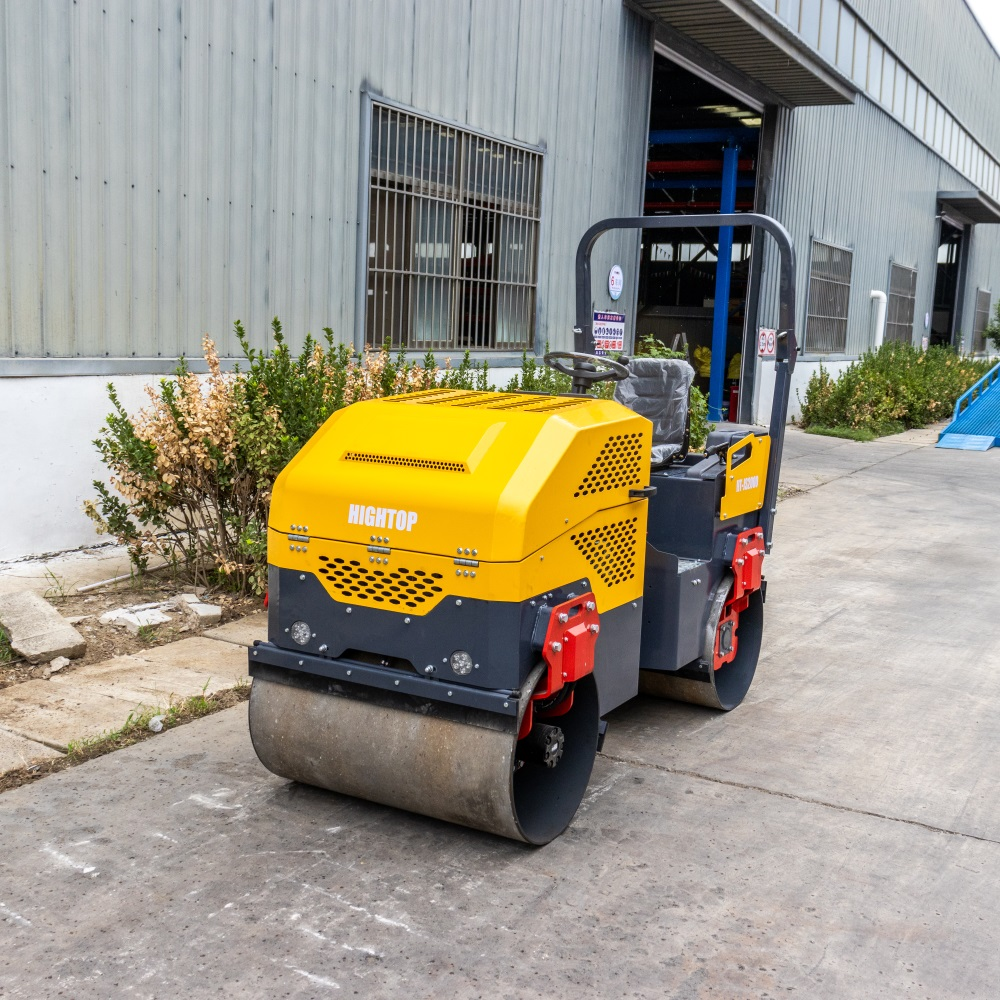
Core Parameters for Optimal Soil Compaction
When evaluating a road roller for procurement, you must move beyond marketing claims and look at verifiable data. A standard 10-ton road roller often utilizes an engine with at least 80kW of power to maintain the necessary hydraulic pressure for constant vibration. The centrifugal force, frequently exceeding 150kN, is the engine of the compaction process. This force is what physically drives the soil particles together, ensuring that the ground stabilization meets project specifications. Another vital metric is the drum width, which typically spans 2,100mm, providing a wide footprint for efficient site coverage. When utilizing this type of road roller, operators must carefully balance the travel speed—usually 2 to 5 km/h—to allow the vibration waves sufficient time to settle the material. If the road roller moves too quickly, the compaction equipment fails to achieve the required density, leaving soft spots that jeopardize the structural integrity of the entire site. Relying on these specific data points allows site managers to match the road roller capabilities directly to the geological requirements of their specific job sites, ensuring that every pass made by the road roller contributes to a uniform result.
Project Success in Vietnam
To demonstrate the impact of selecting the right road roller, consider a recent highway expansion project in rural Vietnam. The site featured high moisture content clay, which is notoriously difficult to process. Previous attempts using standard compaction equipment resulted in uneven ground stabilization, causing cracks in the base layer. The contractor switched to a Hightop road roller, which provided a variable vibration control feature. By adjusting the road roller frequency to 42Hz, the team was able to effectively dissipate the excess pore water pressure in the clay. Over a ten-day period, the Hightop unit achieved a 98% compaction density, exceeding the state-mandated 95% threshold. The road roller played a crucial role in eliminating the need for soil replacement, which saved the developer approximately $50,000 in material costs. The success of this project highlights how advanced road roller technology combined with proper soil compaction technique is the key to mastering difficult terrains. Hightop provided the technical documentation necessary to ensure the operator could maximize the road roller performance in such challenging, water-heavy conditions. This project serves as a perfect example of how the right tool, when utilized correctly, solves fundamental engineering challenges in soil compaction.
Maintenance and Long-Term Reliability
For any dealer or project manager, the longevity of compaction equipment is a primary concern. A road roller is subjected to extreme vibrations and harsh site environments, making build quality an essential factor. A Hightop road roller is constructed with high-grade wear-resistant steel for the drum, extending its operational lifespan significantly beyond cheaper alternatives. Regular maintenance, such as checking hydraulic fluids and ensuring the exciter bearings in the road roller are properly lubricated, is streamlined by the intelligent design of modern equipment. These units are built to minimize downtime, ensuring that the road roller remains on the site earning money rather than sitting in a repair shop. When you invest in a professional road roller, you are not just buying a machine; you are buying the uptime required to hit your project deadlines. Hightop understands this, which is why the manufacturing process focuses on critical structural integrity, allowing the road roller to withstand years of heavy-duty ground stabilization service without major component failure.
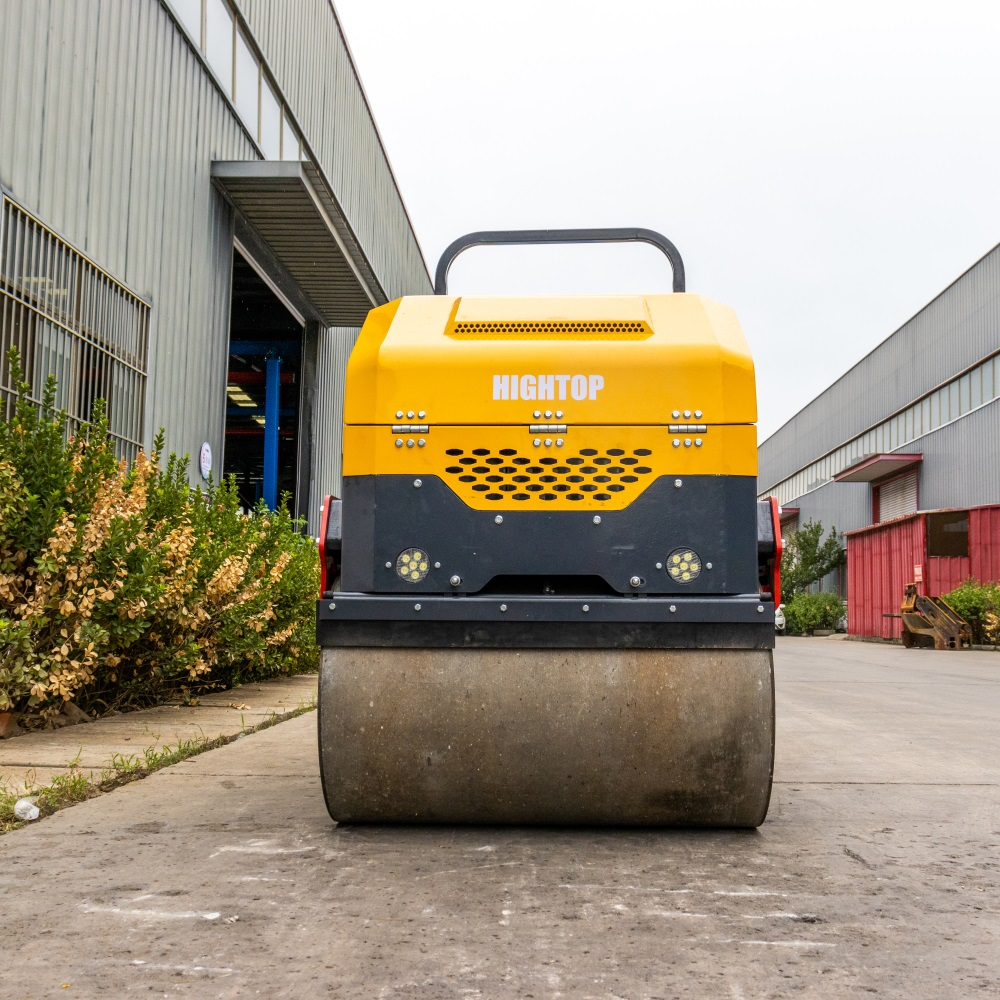
Strategic Business Value and Supply Reliability
For dealers, contractors, and site developers, the decision to invest in a premium road roller is as much about long-term logistics as it is about immediate performance. Reliable supply chains are the backbone of project success, especially when working on tight deadlines. When selecting a manufacturing partner, look for experts like Hightop, which prioritize engineering integrity, supply chain stability, and ongoing support. The capability to customize attachments or select drum types—such as smooth or padfoot—enables a single road roller to serve multiple project requirements. This modularity reduces the need for multiple pieces of heavy compaction equipment, effectively lowering both total procurement costs and long-term maintenance overheads. By streamlining procurement and ensuring that critical spare parts for your road roller are always readily available, businesses can successfully mitigate the risks of costly, unexpected downtime. The dedicated manufacturing prowess of Hightop ensures that every road roller unit is subject to rigorous, multi-point testing, providing a consistent standard of excellence that professionals can trust for high-intensity, multi-season projects. When you choose a road roller from Hightop, you are choosing specialized equipment that dominates the ground stabilization sector.
Future-Proofing Your Ground Stabilization Strategy
The evolving demands of global infrastructure require that contractors equip themselves with the most capable road roller units available. As projects become more complex and material requirements stricter, the ability to achieve perfect soil compaction is the hallmark of a successful builder. A high-performance road roller is an investment that pays for itself through increased project speed, reduced failure rates, and enhanced site durability. By focusing on the interplay between vibration intensity, speed, and material properties, contractors can leverage their road roller to conquer any terrain. Whether dealing with highway construction or smaller residential foundations, the right compaction equipment is essential. Hightop remains at the forefront of providing the heavy machinery necessary to meet these challenges, ensuring that every project is built on a foundation of absolute stability. The integration of modern technology into the classic road roller design signifies a new era in construction efficiency. As you plan your next major endeavor, ensure your ground stabilization strategy is supported by the proven power of a Hightop road roller, the cornerstone of modern infrastructure development. Every pass of the road roller is a testament to quality construction and long-term ground stabilization.
Table of Contents
- Mastering Ground Stability with the Right Road Roller
- Engineering Precision in Compaction Equipment
- Core Parameters for Optimal Soil Compaction
- Project Success in Vietnam
- Maintenance and Long-Term Reliability
- Strategic Business Value and Supply Reliability
- Future-Proofing Your Ground Stabilization Strategy