
 EN
EN
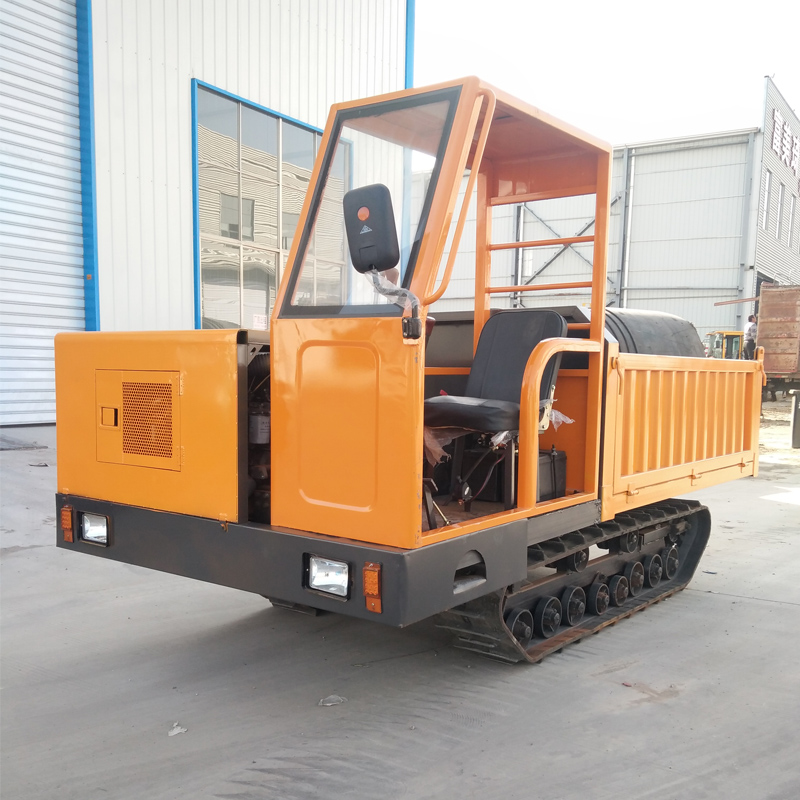
The Vital Role of Crawler Dumper in Mining Logistics
When operating in rugged mining environments, the challenge of transporting heavy materials over unstable or muddy terrain is a constant hurdle that defines the success of a project. A crawler dumper stands out as the most reliable solution for these demanding conditions, offering unmatched stability where other machines would fail. Unlike wheeled vehicles that often lose traction in deep mud or struggle on steep rocky inclines, the track based design of this machinery provides superior surface contact and optimal weight distribution. By utilizing a crawler dumper, mining operations can significantly reduce downtime caused by vehicle entrapment in treacherous ground. This equipment excels in high capacity hauling, ensuring that gravel, ore, and mining waste are moved efficiently from extraction zones to processing areas without interruption. The engineering behind these machines focuses on durability and performance, allowing them to navigate environments that would render standard trucks completely ineffective, thus maintaining the flow of production regardless of the site conditions. This consistency is the backbone of efficient resource extraction across the globe.
Technical Specifications and Operational Efficiency
Analyzing the performance parameters of a crawler dumper is essential for any professional in the resource extraction industry looking to optimize their fleet. These units typically feature robust hydraulic tipping systems capable of handling loads ranging from 500 kilograms to several tons, depending on the specific model requirements of the project. The crawler dumper design integrates high torque engines that provide the necessary power to climb inclines exceeding thirty degrees while fully loaded, a feat that is often impossible for conventional dump trucks. Expertise in material handling suggests that matching the ground pressure of the tracks to the specific soil conditions of the mine is crucial for optimizing speed and stability in shifting environments. Modern units are also equipped with advanced suspension systems that absorb shocks from uneven terrain, protecting both the operator and the mechanical components from premature wear caused by vibration. Hightop focuses on precision manufacturing to ensure that every crawler dumper unit provides consistent hydraulic force and structural resilience, meeting the rigorous standards required for continuous industrial operation in extreme climates where failure is not an option.
Field Experience and Productivity Impact
Practical experience in the field confirms that the deployment of high quality hauling equipment dictates the success of large scale mining projects. In a recent project involving mountainous terrain extraction, the transition from traditional hauling methods to the use of a specialized crawler dumper resulted in a remarkable increase in daily material throughput. By effectively navigating narrow, winding passages that were previously difficult to access, the crawler dumper shortened the cycle time for each transport trip by nearly thirty percent. Observations from onsite management highlight that the reduction in ground disturbance compared to heavy wheeled equipment also helps in maintaining site accessibility for longer durations, preventing the roads from becoming impassable after light rain. This reliability is what sets premium equipment apart in a competitive market. Relying on such machinery means that the extraction process stays on schedule, even when the terrain becomes saturated due to heavy rainfall or seasonal environmental shifts, providing a significant edge for mining contractors aiming for maximum output and cost efficiency in their daily operations.
Maintenance Standards for Peak Performance
To maintain the operational integrity of a crawler dumper, adherence to a structured maintenance schedule is mandatory for all site managers. The longevity of the tracks is the primary concern, as these are the most stressed components when moving through abrasive mining waste or sharp rocky debris. Routine inspections should focus on track tensioning and the wear patterns of the rollers and idlers to ensure even load distribution. Furthermore, the hydraulic system must be monitored to ensure that fluid integrity is maintained, preventing leaks that could cause catastrophic system failure during critical operation periods. Professional guidance emphasizes that cleaning the undercarriage after every shift prevents the buildup of packed mud and rock, which can lead to excessive tension on the drive motor and eventual overheating. Hightop provides comprehensive technical support and manuals, facilitating an environment where operators can perform essential checks efficiently. By treating the crawler dumper as a vital industrial asset, managers can extend its functional life and ensure that performance metrics remain high throughout the entire project lifecycle, avoiding the high costs associated with emergency repairs.
Strategic Investment in Reliable Infrastructure
Investing in the right crawler dumper equipment is a strategic decision that directly influences the bottom line for mining and construction companies. As global mining projects continue to expand into more challenging geographical regions, the demand for specialized, terrain adaptive machinery is growing faster than ever. A crawler dumper is not merely a tool for hauling; it is an infrastructure component that stabilizes the supply chain within the mine. The modular design of modern units allows for various add ons, such as increased load capacity sides or specialized dumping mechanisms, making them adaptable to different types of ore or waste materials. Hightop is dedicated to providing the industry with the most reliable and efficient machinery solutions. With a deep commitment to excellence in manufacturing and a comprehensive understanding of global supply chain needs, Hightop supports your projects by delivering equipment that turns the most difficult mining terrain into a path for continuous operational success. Investing in superior engineering remains the best strategy for building a legacy of robust infrastructure that stands up to the test of time and intensity.