
 EN
EN
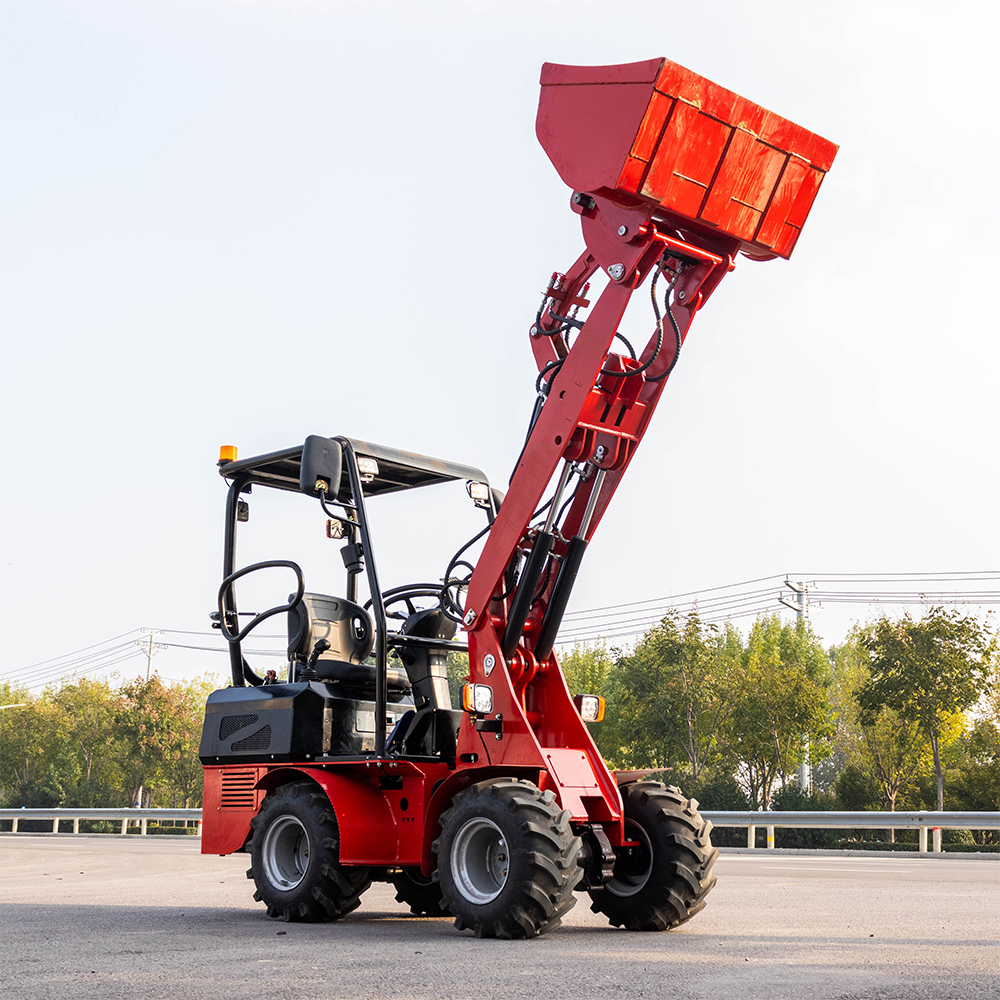
The Versatility of Compact Machinery in Modern Settings
Managing a farm or a workshop today demands tools that are as agile as the environment is demanding. A mini loader stands out as the ultimate solution for tasks that require precision in tight spaces where larger equipment simply cannot fit. These machines are engineered to bridge the gap between heavy manual labor and oversized industrial machinery. By utilizing a mini loader on a daily basis, operators find that the time spent on material handling, animal pen cleaning, or workshop organization is drastically reduced. The beauty of this equipment lies in its compact footprint combined with robust power, making it a favorite for those who value efficiency. Whether navigating narrow barn doors or shifting heavy metal components across a shop floor, the adaptability of this machine ensures that operations continue smoothly without the need for multiple specialized tools. Beyond just moving items, these loaders serve as a hub for various attachments that redefine how a single site can operate.
Understanding Technical Power and Performance Metrics
Delving into the technical side reveals why this equipment is a game changer for many professionals. A high quality mini loader typically features an operating weight of 1200 kilograms, providing enough stability for lifting heavy loads while maintaining a small frame. With a hydraulic flow rate of 40 liters per minute, these units offer impressive power for attachments such as buckets, augers, and hydraulic hammers. Expertise in this field suggests that looking at the breakout force is essential; models that offer over 800 kilograms of tipping load provide the necessary safety margin for intensive use. Hightop ensures that these machines are built with reinforced steel frames and powerful cooling systems, addressing the common issue of overheating during long shifts. By focusing on these specific metrics, contractors and farmers can match the machine capability to their exact workload, preventing premature mechanical failure and ensuring consistent performance. Precision in engineering means that even the smallest components, such as the hydraulic cylinders and pivot points, are designed to endure high pressure and frequent usage cycles typical in demanding agricultural or industrial environments.
Real World Application and Efficiency Gains
A practical example of this machine in action occurred in a mid sized agricultural project in Northern Europe. A dairy farm struggled with space constraints in its storage barn, where a standard skid steer was unable to maneuver effectively. By switching to a dedicated mini loader, the farm increased its material transport speed by 35 percent and reduced the risk of structural damage to barn pillars. The operator noted that the turning radius allowed for complete rotations in aisles previously considered too cramped. This case highlights how the right equipment choice impacts long term operational costs. By minimizing the time spent on repetitive tasks, the farm was able to reallocate labor to more critical areas, such as equipment maintenance and crop planning. Such real world applications underscore the importance of investing in machinery that fits the physical environment perfectly rather than forcing larger, incompatible equipment to perform tasks for which they were not designed. When operators witness this efficiency firsthand, the value of compact machinery becomes clear as a core component of sustainable site management.
Essential Maintenance for Operational Longevity
Maintaining a mini loader is straightforward if the correct protocols are followed diligently. Longevity in this category of construction equipment depends on routine checks of hydraulic hoses, fluid levels, and air filters. It is recommended that owners inspect the pivot pins and bushings every 50 hours of operation to ensure that the lifting mechanism remains fluid and responsive. Professional advice also dictates that cleaning debris from the engine compartment after every use is vital, especially in dusty farm environments. This prevents dirt accumulation that can hinder cooling efficiency. Hightop places great emphasis on the accessibility of these maintenance points, designing units that allow for quick inspections and repairs without requiring a specialized technician for every minor issue. By following these proactive maintenance steps, owners protect their investment and ensure that the machine remains a reliable partner for years to come. Consistency in these small habits prevents major failures down the road, making the loader a dependable asset during critical harvesting or busy project phases.
Strategic Advantages in Business Infrastructure
For developers and workshop owners, the inclusion of a mini loader is a strategic decision that influences the bottom line. Beyond the obvious task of moving heavy loads, these machines are compatible with a wide array of attachments that allow for multi functional utility. A single machine can act as a lifter, a cleaner, and a drilling tool depending on the accessory attached. This versatility reduces the need for maintaining a large fleet, effectively lowering insurance, storage, and maintenance overheads. Furthermore, the ease of transport for a mini loader means that it can be moved between sites on a standard trailer with minimal effort. Hightop understands that efficiency in a modern supply chain is about versatility and reliability. Providing machines that are both robust and easy to operate allows businesses to scale their output while keeping operational costs contained. This approach to machinery procurement supports long term growth and stability in competitive industries, ensuring that your capital is invested in equipment that yields the highest possible return through consistent, reliable daily service and high uptime.