
 EN
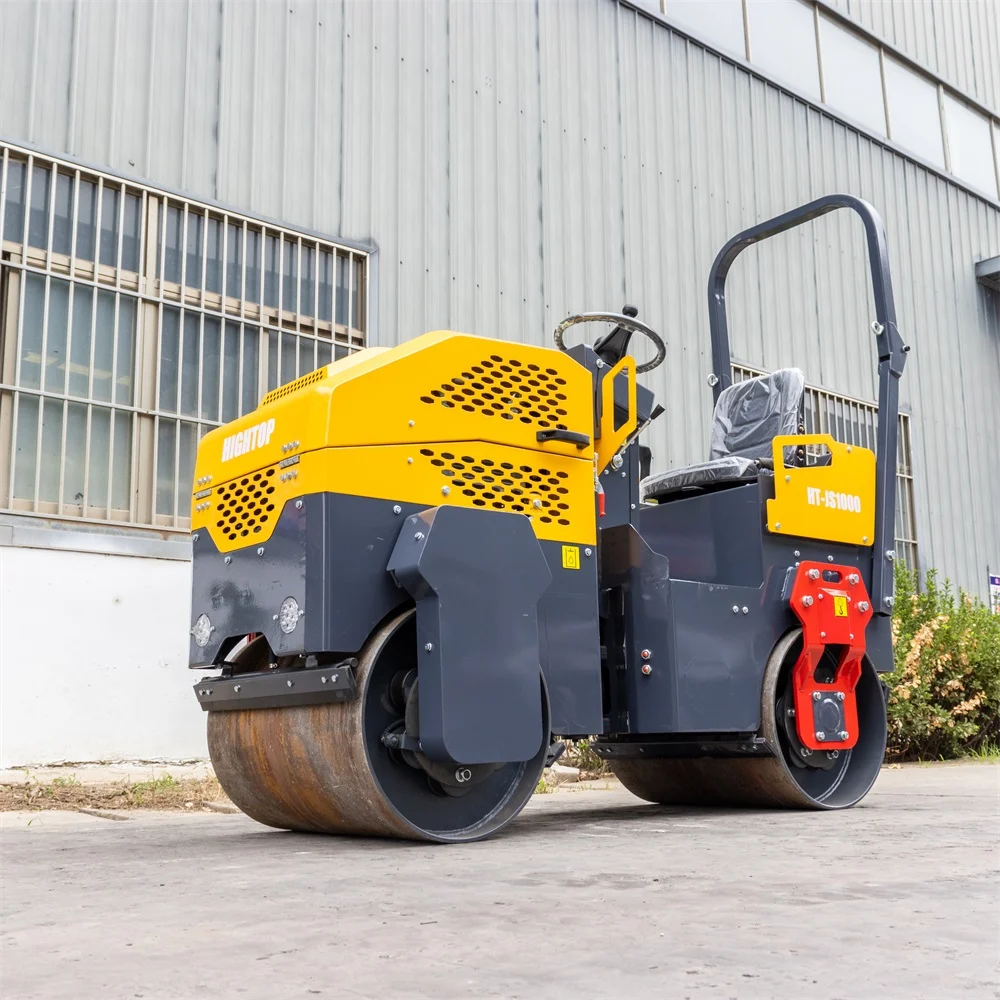
Critical Differences Between Soil and Asphalt Compaction Requirements
Achieving structural longevity in civil construction requires selecting the exact compaction machinery tailored to your specific material substrate. Selecting a suitable road roller is not a generic process because soil base layers and hot mix asphalt surfaces react differently to dynamic force. Soil compaction focuses on expelling air and moisture from loose soil, clay, gravel, or subbase aggregate to build a load bearing foundation that prevents future structural settlement. In contrast, asphalt compaction aims to eliminate air voids in hot bituminous mixes to seal the surface against water ingress while creating a smooth finish. Deploying an incorrect road roller configuration on hot asphalt can fracture the aggregate or create uneven surface ripples, whereas applying light surface pressure to thick soil lifts will fail to achieve the required density deep in the subgrade. Understanding these core physical mechanics is the foundational first step for contractors seeking to maximize pavement durability and operational site efficiency. Every material type requires a distinct operational strategy to ensure that the structural foundation remains completely stable under heavy traffic loads over long service lifetimes.
Key Technical Parameters for Asphalt versus Soil Operations
Evaluating technical specifications requires a thorough analysis of amplitude, frequency, drum design, and weight distribution across the contact area. A modern road roller built for soil compaction, particularly cohesive clay or thick rock fill, relies heavily on high amplitude and lower vibration frequencies to drive impact force deep into the ground. Padfoot or footed drum configurations are exceptionally effective here because they penetrate and knead deep soil layers to achieve uniform density. On the other hand, a smooth steel drum road roller designed for asphalt paving operates at high vibration frequencies and lower amplitudes. This precise combination prevents aggregate degradation while ensuring rapid density achievement before the hot mix cools below critical compaction temperatures. Pneumatic tire models are also frequently utilized on asphalt finish passes because the kneading action of rubber tires seals surface pores seamlessly. Evaluating these technical parameters before equipment deployment prevents costly rework, minimizes project downtime, and ensures full compliance with international civil engineering standards on every project.
Field Case Study in Highway Paving and Base Preparation
Practical job site experience demonstrates how matching the right machine to the correct layer directly impacts project profitability and timeline execution. During a recent multi lane highway project, the site crew encountered severe density variations when attempting to compact both subbase soil and top asphalt layers using a single static machine. By integrating a heavy vibratory road roller with padfoot shell attachments for the subgrade and transitioning to a tandem smooth drum road roller for the asphalt wearing course, the contractor increased overall compaction efficiency by nearly forty percent. Field density testing confirmed that the soil base achieved ninety eight percent relative compaction in fewer passes, while the asphalt layer maintained optimal air void ratios without crushing fragile aggregate materials. This field case study underscores that utilizing task specific machinery eliminates unnecessary rolling cycles, reduces fuel consumption per square meter, protects operator health from excessive vibration exposure, and safeguards the long term structural integrity of high traffic transportation corridors.
Essential Maintenance and Operating Best Practices
Ensuring maximum equipment uptime and consistent compaction performance requires strict adherence to daily maintenance routines. Operating a road roller on abrasive gravel or hot asphalt subjects hydraulic systems, drum rubber shock absorbers, and water spray nozzles to constant heat, chemical exposure, and mechanical friction. For asphalt operations, keeping the drum water sprinkler system fully functional and clean is crucial to prevent hot mix from sticking to the steel drums and ruining the road smoothness. When performing soil compaction, operators must regularly clear packed mud and debris from scraper blades to maintain balanced drum rotation and prevent uneven pressure distribution across the lift. Professional guidelines emphasize checking hydraulic hose connections, monitoring engine fluid levels, verifying drum scraper gap settings, and inspecting track or tire condition before beginning every shift. Hightop engineers every road roller with accessible service points and durable hydraulic components, allowing site mechanics to perform routine maintenance quickly and keep equipment operating at peak output throughout demanding construction seasons.
Strategic Equipment Selection for Modern Contractors
Investing in versatile heavy machinery is a strategic commercial decision that impacts contract bidding success, operational scalability, and long term enterprise growth. The modern construction landscape demands machinery that blends rugged manufacturing quality with reliable supply chain support, transparent pricing, and responsive technical service. Selecting an appropriate road roller empowers contractors to handle diverse site conditions with absolute confidence, whether executing heavy earthworks, building dam embankments, or laying smooth asphalt driveways. Hightop remains deeply committed to manufacturing excellence, delivering advanced compaction solutions that support vital infrastructure projects across global markets. Through robust supply chain logistics and rigorous quality assurance standards, Hightop provides high performance equipment that turns challenging site conditions into durable, reliable foundations. Partnering with an established manufacturer ensures that your fleet remains competitive, productive, and fully prepared to meet the evolving demands of modern civil engineering while delivering exceptional economic value on every job site.