
 EN
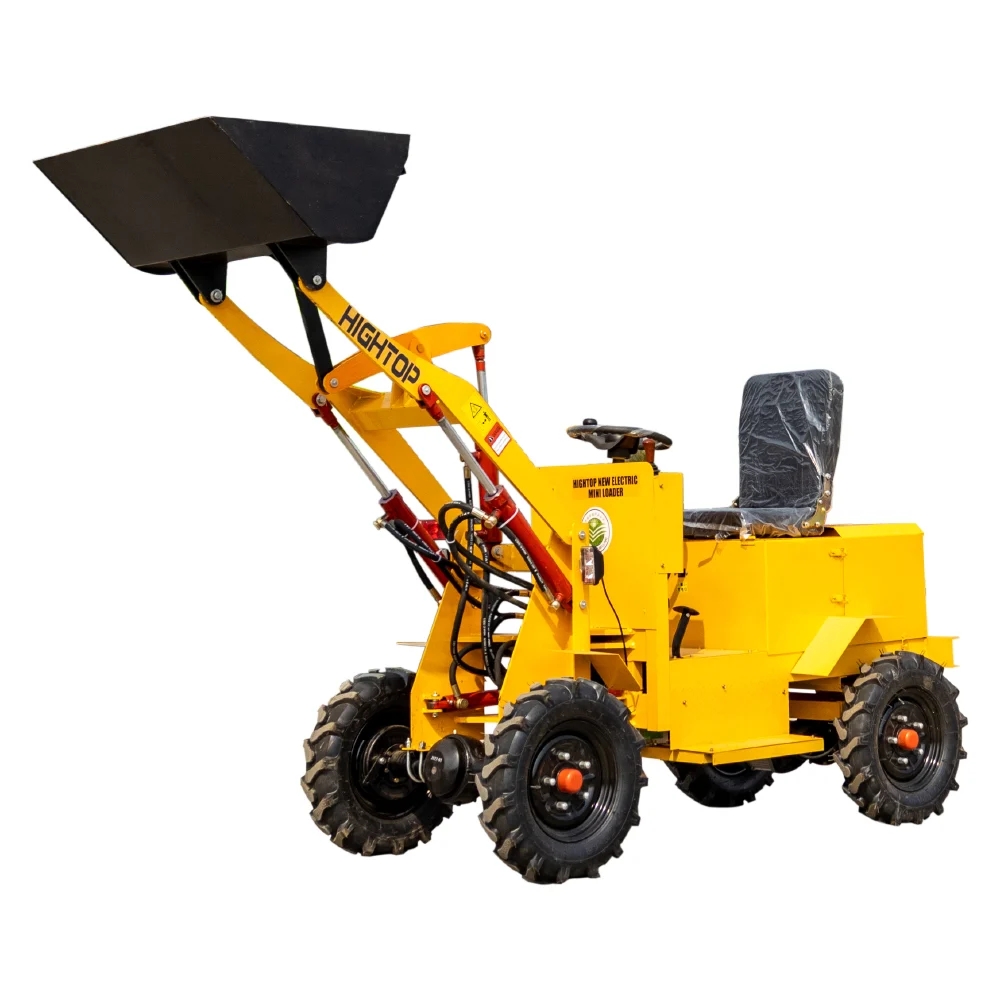
Why Wheel Loader Is Essential for Large Projects
When large-scale construction initiatives, massive municipal developments, or sprawling commercial earthmoving operations move into full swing, the speed of material handling directly determines overall project profitability. Managing enormous volumes of gravel, soil, aggregates, and construction debris requires high-performance machinery capable of continuous, heavy-duty operation. At the center of these demanding jobsites stands the industrial wheel loader, an indispensable asset that bridges the gap between mass excavation and rapid site transport. Contractors, developers, and regional equipment distributors invest heavily in these versatile workhorses, knowing that selecting the proper compaction and loading unit dictates whether tight project deadlines are met effortlessly or plagued by costly operational bottlenecks. Understanding the technical specifications, hydraulic performance, and structural mechanics of modern heavy equipment helps construction professionals optimize their capital expenditure. Furthermore, deploying a dependable machine ensures that material movement remains uninterrupted across complex, multi-phase civil engineering assignments. Every experienced project manager recognizes that an advanced wheel loader serves as the ultimate productivity multiplier on heavy construction sites worldwide. Selecting a dependable loading machine remains a top priority for forward-thinking fleet managers across the globe.
Technical Superiority and Structural Engineering
The engineering foundation of contemporary earthmoving machinery focuses heavily on breakout force, tipping load capacity, and hydraulic cycle times. A high-performance wheel loader utilizes a powerful turbocharged diesel engine coupled with an advanced powershift transmission, delivering optimal torque conversion across all operational gears. When operators maneuver a heavy-duty loading unit into densely packed aggregate piles, the breakout force generated through the Z-bar linkage mechanism exerts immense pressure, quickly filling the bucket without stalling the engine. Modern hydraulic systems regulate oil flow precisely, ensuring that lifting and tilting functions operate simultaneously with exceptional fluidity. Additionally, heavy-duty planetary axles equipped with limited-slip differentials provide superior traction on muddy, uneven, or debris-strewn terrain. Every professional wheel loader incorporates robust counterweights and optimized weight distribution to maximize tipping loads while maintaining absolute machine stability during full-turn operations. Field operators appreciate the responsive steering and intuitive control layouts built into contemporary machines, which significantly reduce operator fatigue over extended multi-shift schedules. Operating a modern wheel loader requires precision, focus, and strict adherence to safe operational guidelines.
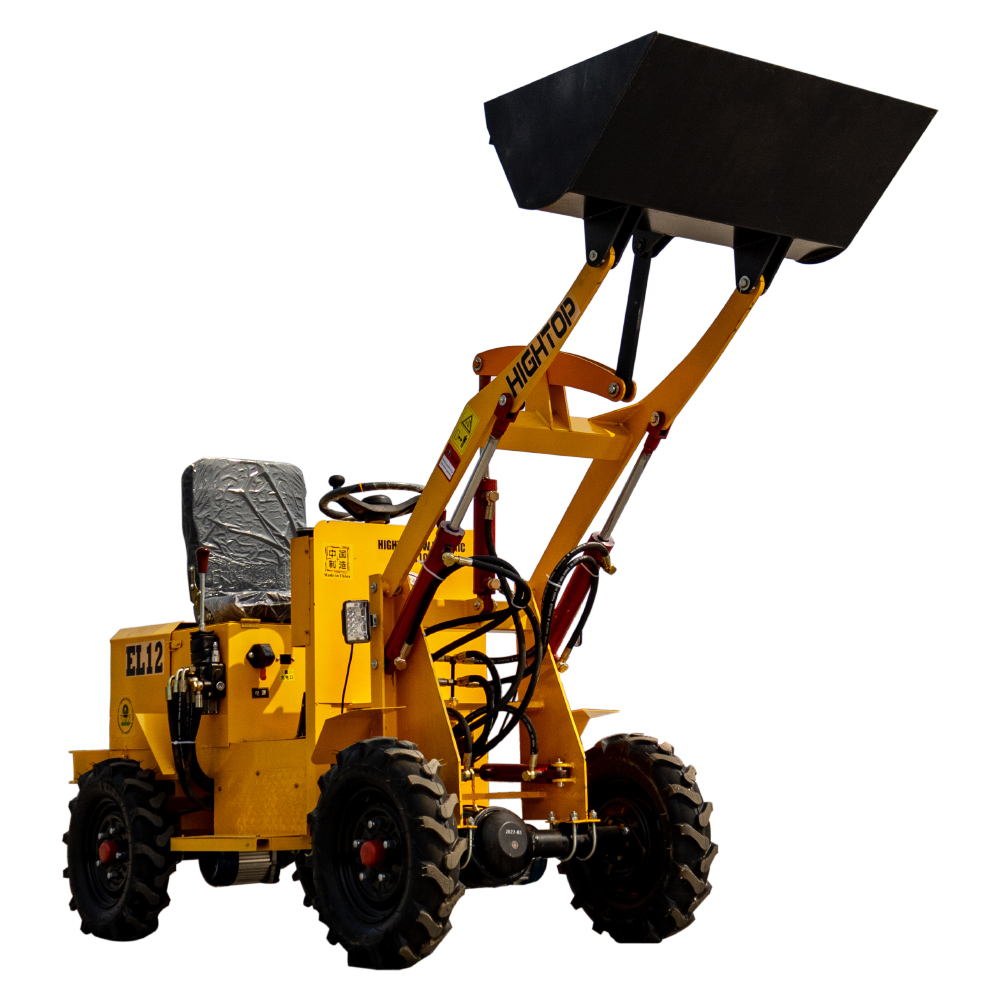
Operational Efficiency and Ergonomic Cabin Design
Operational efficiency on fast-paced jobsites also depends on advanced fluid cooling and ergonomic cabin design. Modern construction machinery integrates high-capacity thermal management systems that prevent hydraulic oil and engine coolant from overheating during continuous high-load cycles. Maintaining optimal operating temperatures is vital when running a wheel loader in extreme ambient climates, ranging from freezing winter environments to scorching desert heatwaves. Furthermore, pressurized cabins featuring advanced multi-stage air filtration, climate control, and noise-reduction insulation protect operators from airborne dust and excessive vibration. Excellent 360-degree visibility through panoramic glass panels ensures that operators can navigate congested construction zones with absolute precision and safety. Integrating a technologically advanced wheel loader into daily workflows transforms standard earthmoving operations into highly streamlined procedures that consistently exceed client expectations. Comprehensive training programs and intuitive diagnostic displays further enhance operator proficiency and long-term machine longevity across diverse regional markets. Deploying a versatile loading machine guarantees adaptability across diverse municipal and industrial tasks.
Real-World Project Case Study and Proven Results
Deploying advanced construction machinery yields measurable productivity gains across diverse regional markets and climatic conditions. A large-scale municipal infrastructure contractor operating in Santiago, Chile, recently upgraded their heavy machinery fleet to tackle a complex highway expansion and aggregate transport project involving millions of tons of excavated earth under strict regional deadlines. The job required continuous material loading across multiple quarries and rugged mountain terrain while adhering to strict environmental and safety regulations. By integrating a heavy-duty wheel loader supplied by Hightop into their daily operations, the contractor successfully maintained a sustained loading rate of 350 tons per hour, feeding primary crushers and heavy transport trucks without a single mechanical hiccup. The advanced wheel loader delivered an impressive static tipping load of 11,000 kilograms combined with a bucket capacity of 3.0 cubic meters, ensuring rapid cycle times and maximum payload efficiency. Consequently, the project was completed two weeks ahead of schedule, validating the strategic value of precision earthmoving tooling in demanding commercial environments. During this extensive project, the reliability of the wheel loader proved vital in maintaining continuous material flow schedules without unexpected hydraulic downtime. Industry experts noted that this specific wheel loader outperformed traditional alternatives across all key performance metrics. Local municipal authorities praised the contractor for completing the infrastructure upgrade efficiently and sustainably. Utilizing a specialized wheel loader in urban settings guarantees superior project execution and client satisfaction.
Maximizing Commercial Value and Fleet ROI
For equipment dealers, equipment rental businesses, and large-scale developers, expanding equipment inventories represents a high-return capital investment. Traditional single-purpose machinery often sits idle when specific project phases conclude, generating zero revenue while incurring continuous depreciation costs. Conversely, diversifying equipment fleets with professional-grade loading units ensures continuous utilization across highway construction, urban street paving, quarry mining, and industrial material handling. Evaluating the total cost of ownership involves analyzing maintenance intervals, replacement part availability, and structural durability. Premium loading units feature greaseable pivot points with hardened steel pins, extending service intervals up to 50 operating hours between maintenance checks. Powder-coated exterior finishes protect against corrosive environmental factors, chemical exposure, and ultraviolet degradation on outdoor job sites, ensuring long-term asset reliability for commercial buyers and rental fleets. Managing a fleet that includes a versatile wheel loader allows rental companies to maximize asset turnover and profitability across diverse seasonal projects. Every commercial buyer knows that a high-quality wheel loader represents a cornerstone asset for profitable earthmoving operations. Furthermore, maintaining a diverse fleet featuring a modern wheel loader attracts lucrative municipal contracts and boosts long-term business growth. Strategic asset management ensures sustained profitability in competitive equipment markets. Deploying a reliable wheel loader secures high returns for rental fleet operators.
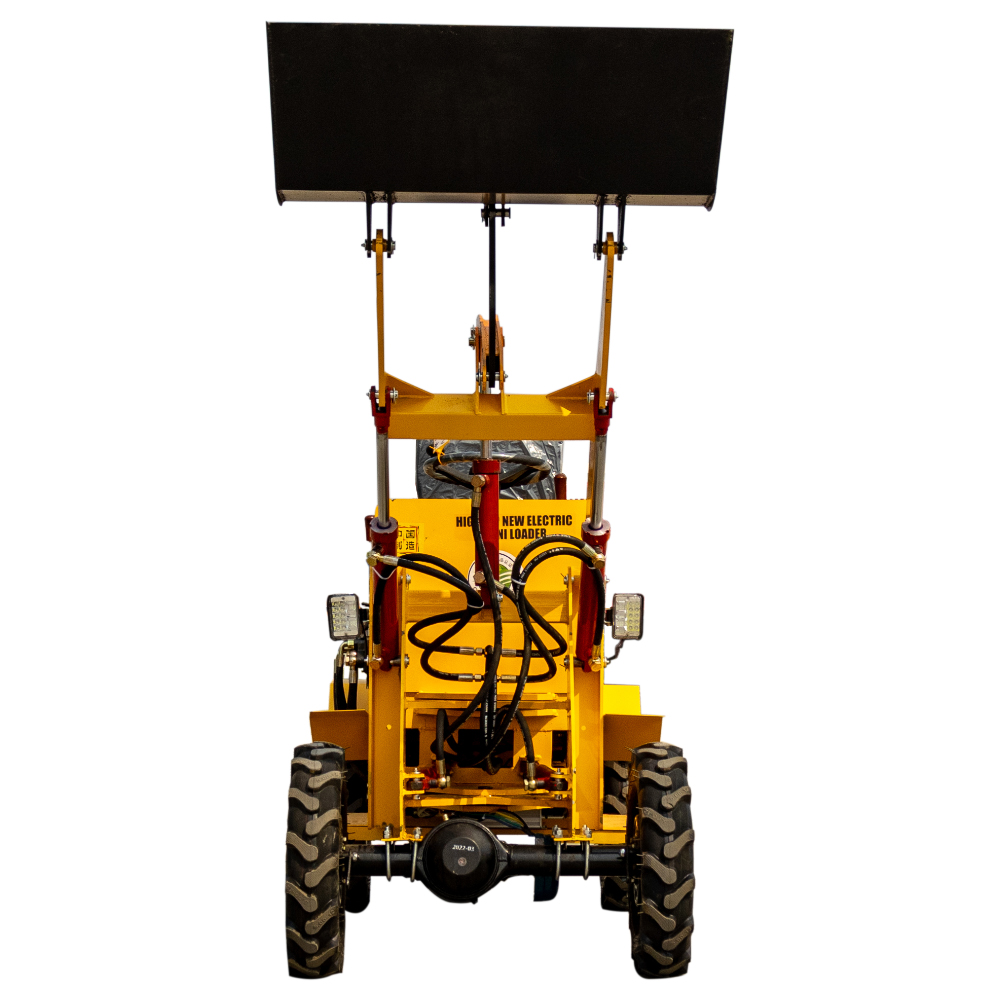
Manufacturing Excellence and Supply Chain Strength
Sourcing reliable heavy machinery requires partnering with advanced manufacturing facilities capable of strict quality control and precision fabrication. State-of-the-art production lines utilize automated robotic welding systems to ensure uniform penetration and structural integrity across every stress-bearing joint. Computer numerical control laser cutting machinery guarantees exact dimensional tolerances for chassis frames, lift arms, and bucket housings. Rigorous quality assurance protocols, including ultrasonic weld testing and high-pressure hydraulic bench testing, ensure that every wheel loader meets international safety and performance benchmarks before leaving the factory floor. Hightop maintains rigorous manufacturing standards, utilizing certified alloy steels and precision hydraulic components sourced from globally recognized suppliers. This commitment to precision engineering ensures that equipment dealers and rental companies receive durable, field-tested loading units engineered to perform reliably under the most rigorous operating conditions worldwide. Selecting an industry-trusted wheel loader manufacturer guarantees long-term operational success and exceptional project outcomes across global construction markets. When evaluating global manufacturing partners, industry professionals consistently choose a dependable wheel loader supplier for unmatched durability and robust after-sales support. Investing in an advanced wheel loader from Hightop ensures long-term operational excellence and superior material handling performance across all demanding construction sites. Global supply chain transparency remains a primary pillar of manufacturing excellence. Acquiring a top-grade wheel loader from Hightop delivers exceptional long-term value for international contractors and equipment distributors alike.
Future Trends in Smart Fleet Management
Furthermore, ongoing innovations in telematics and remote machine monitoring are reshaping how project managers oversee heavy equipment fleets. Modern telemetry modules integrated into industrial machinery transmit real-time data regarding engine temperature, hydraulic pressure, cycle count, and fuel consumption directly to centralized site offices. This instant feedback loop allows site supervisors to immediately correct operational inefficiencies or adjust maintenance schedules on the fly, eliminating unexpected downtime and ensuring uniform productivity across every shift. Contractors implementing smart fleet management report significant reductions in fuel waste and accelerated project timelines. As environmental standards tighten across international construction sectors, manufacturers are also focusing on eco-friendly propulsion systems and low-emission powerplants that comply with stringent global environmental mandates. Investing in sustainable machinery not only reduces carbon footprints but also positions forward-thinking contractors to win competitive government bids where environmental compliance is mandatory. By adopting these cutting-edge innovations today, civil engineering firms and equipment rental businesses secure a formidable competitive advantage, ensuring long-term profitability and operational excellence across every upcoming infrastructure venture.
Table of Contents
- Why Wheel Loader Is Essential for Large Projects
- Technical Superiority and Structural Engineering
- Operational Efficiency and Ergonomic Cabin Design
- Real-World Project Case Study and Proven Results
- Maximizing Commercial Value and Fleet ROI
- Manufacturing Excellence and Supply Chain Strength
- Future Trends in Smart Fleet Management