
 EN
EN
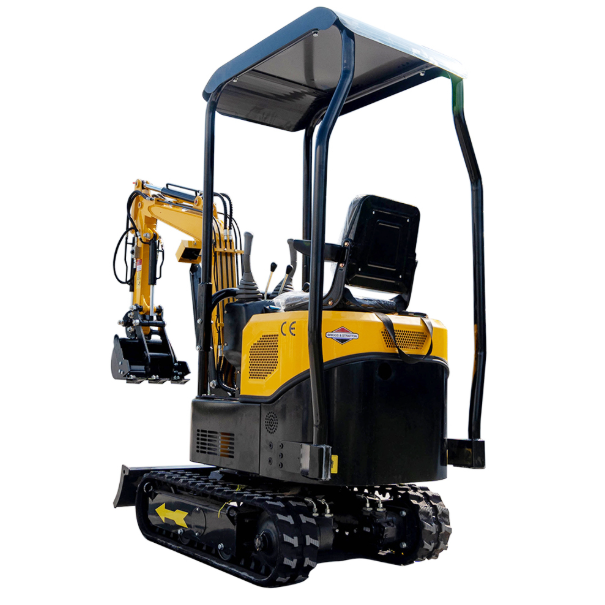
Modern construction projects require a precise balance of power and agility. As urban environments become more congested and landscape requirements grow increasingly specific, the reliance on massive earthmoving equipment is shifting toward more specialized, compact solutions. A mini excavator serves as the perfect bridge between manual labor and large scale heavy machinery, offering a unique blend of force and footprint. These machines are engineered to handle delicate tasks in tight spaces while maintaining enough hydraulic force to tackle significant digging requirements. Understanding the nuances of different tonnages is essential for any contractor aiming to optimize project efficiency and reduce site disturbance. By selecting the right size and model, operators can ensure that every digging task is performed with optimal safety, speed, and precision in every possible job site environment.
The Technical Advantage of Compact Excavator Engineering
The engineering behind a modern mini excavator focuses on delivering high breakout force within a limited footprint. Unlike full size excavators, these compact units utilize advanced hydraulic systems that maximize efficiency at lower fuel consumption rates, which is a major benefit for long term project sustainability. The stability of these machines, even when working on uneven or muddy terrain, is achieved through a carefully calibrated center of gravity and variable track widths. This allows the equipment to remain grounded while reaching into deep trenches or over obstacles. Professionals in the field know that the ability to perform a zero tail swing rotation is a game changer in confined spaces. This feature ensures that the upper body of the machine can spin without hitting nearby structures, allowing for continuous work in narrow alleys or between existing buildings where larger equipment would be completely immobilized.
Matching Tonnage to Diverse Project Requirements
One of the most critical aspects of job site management is matching the correct tonnage of a mini excavator to the specific physical demands of the project. Smaller units, typically under two tons, are ideal for residential landscaping, interior demolition, and utility work where ground pressure must be kept to an absolute minimum. As the project scale increases, moving to a three or five ton unit provides the necessary depth and lift capacity for more intensive tasks like septic tank installation, heavy debris clearing, or larger trenching projects. Field experience confirms that overestimating the required size can lead to unnecessary transportation costs and increased site damage, while underestimating it results in mechanical strain and extended project timelines. A thoughtful analysis of the work scope ensures that the chosen equipment is always the most effective tool for the task at hand.
Enhancing Productivity Through Attachment Versatility
The true capability of a mini excavator is revealed when it is equipped with the right hydraulic attachments. These machines are designed as universal platforms capable of transforming from a digging tool into a powerful multi purpose asset. Swapping a standard trenching bucket for a hydraulic hammer allows for immediate concrete demolition, while switching to a rotating grapple makes quick work of clearing site vegetation. This modularity means that a single investment can replace the need for multiple specialized machines, effectively streamlining the logistics of any construction site. Operators who master the quick coupler system can transition between different tasks in a matter of minutes, significantly reducing the downtime that often plagues larger, less flexible excavation projects. This adaptability is key to maintaining a profitable workflow in competitive markets, where time is essentially money.
Maximizing Operational Value and Economic Sustainability
From a business perspective, the financial efficiency of owning this equipment is unmatched. When compared to the massive overheads required to operate and maintain heavy construction excavators, these compact units offer a much lower barrier to entry for small to medium sized businesses. Fuel efficiency is a significant factor in daily operations, and the simplified mechanical design makes routine maintenance far more affordable. Furthermore, machines sourced from established manufacturers often retain a high resale value, making them a strategic long term asset. Business owners recognize that equipment uptime is synonymous with profit. By investing in a high quality mini excavator that is designed for durability, contractors can minimize repair expenses and ensure that their machines contribute consistently to the company's financial success throughout their lifecycle, regardless of the project difficulty.
Establishing Reliability Through Expert Manufacturing
When selecting a partner for equipment procurement, the importance of manufacturing quality and technical support cannot be overemphasized. Companies that prioritize advanced metallurgy and precision hydraulic engineering deliver equipment that thrives in demanding conditions. Hightop has built a reputation by focusing on these exact engineering standards, providing a range of compact excavators that meet the rigorous needs of modern contractors. By ensuring that every unit integrates durable components and reliable hydraulic systems, Hightop enables operators to execute their work with absolute confidence. The availability of comprehensive after sales support and readily accessible spare parts further secures the long term performance of the equipment. Choosing a partner like Hightop is a testament to a commitment to quality, ensuring that every project undertaken is backed by reliable technology, expert manufacturing support, and a robust supply chain designed for global operational success.