
 EN
EN
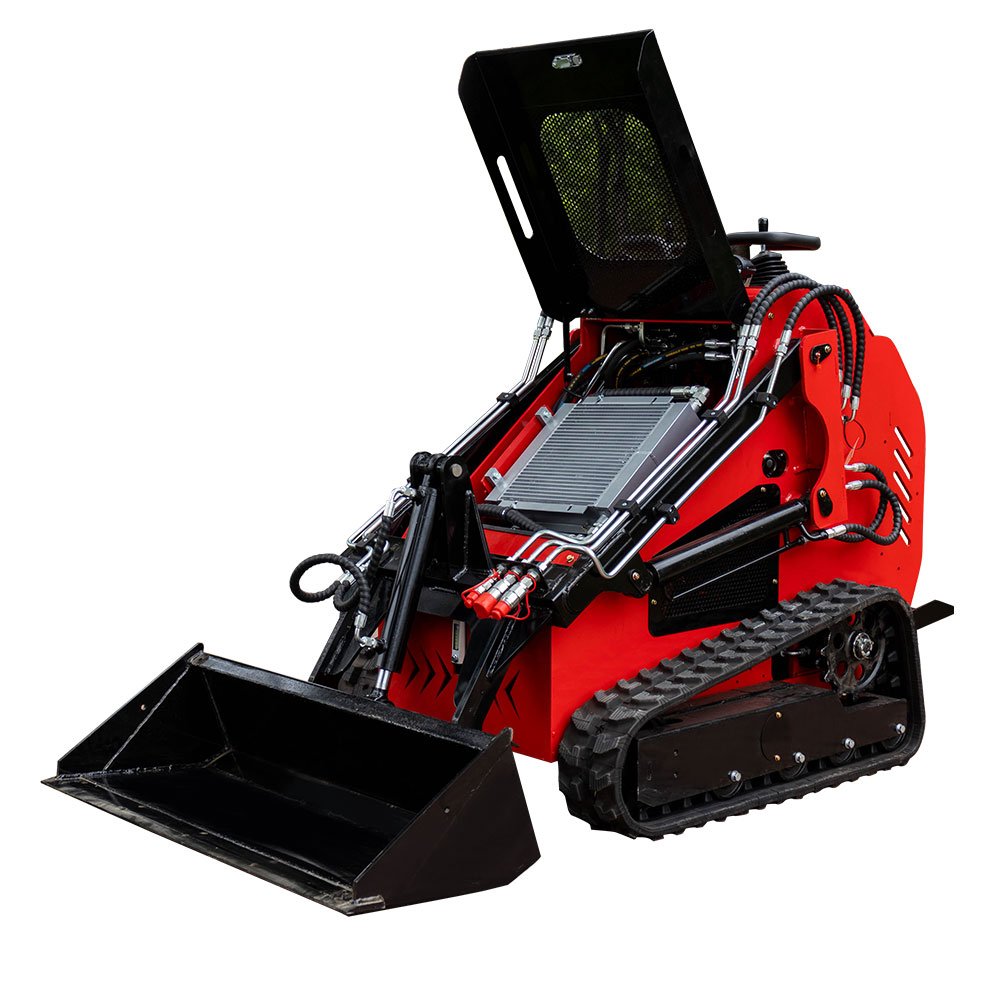
Navigating a cramped job site often feels like trying to thread a needle while wearing thick work gloves. For contractors and developers, the challenge is universal: how to maximize productivity when you have limited room to maneuver. The skid steer loader has emerged as the definitive solution for these high-stakes, low-clearance environments, fundamentally changing how teams handle material handling and site preparation in confined areas.
The Engineering Behind Narrow Space Maneuverability
The primary advantage of a skid steer loader lies in its unique drive system. Unlike traditional wheeled loaders that rely on front-wheel steering, a skid steer operates by independently controlling the speed of the wheels on each side. This allows the machine to pivot 360 degrees within its own footprint. When you are operating in an alleyway, a residential backyard, or a densely packed urban basement, this zero-turn capability is not just a feature; it is a necessity.
The compact dimensions of these machines allow them to bypass standard obstacles that would stop larger equipment. Many professional-grade units are designed with a width of less than 1.6 meters, providing easy access through standard gates and narrow structural openings. Beyond mere size, the integration of high-pressure hydraulic systems ensures that even with a smaller frame, the machine retains significant lifting force. This balance between a minimal footprint and high-performance output is what separates a specialized tool from a standard loader. Modern engineering now focuses on the center of gravity as well, ensuring that these compact machines remain planted firmly on the ground even when handling heavy, awkward loads in restricted settings. This stability is achieved through a lower profile and a strategically positioned engine block, which keeps the machine's balance point low during sharp turns or while navigating debris-filled, uneven terrain.
Analyzing Core Technical Specifications
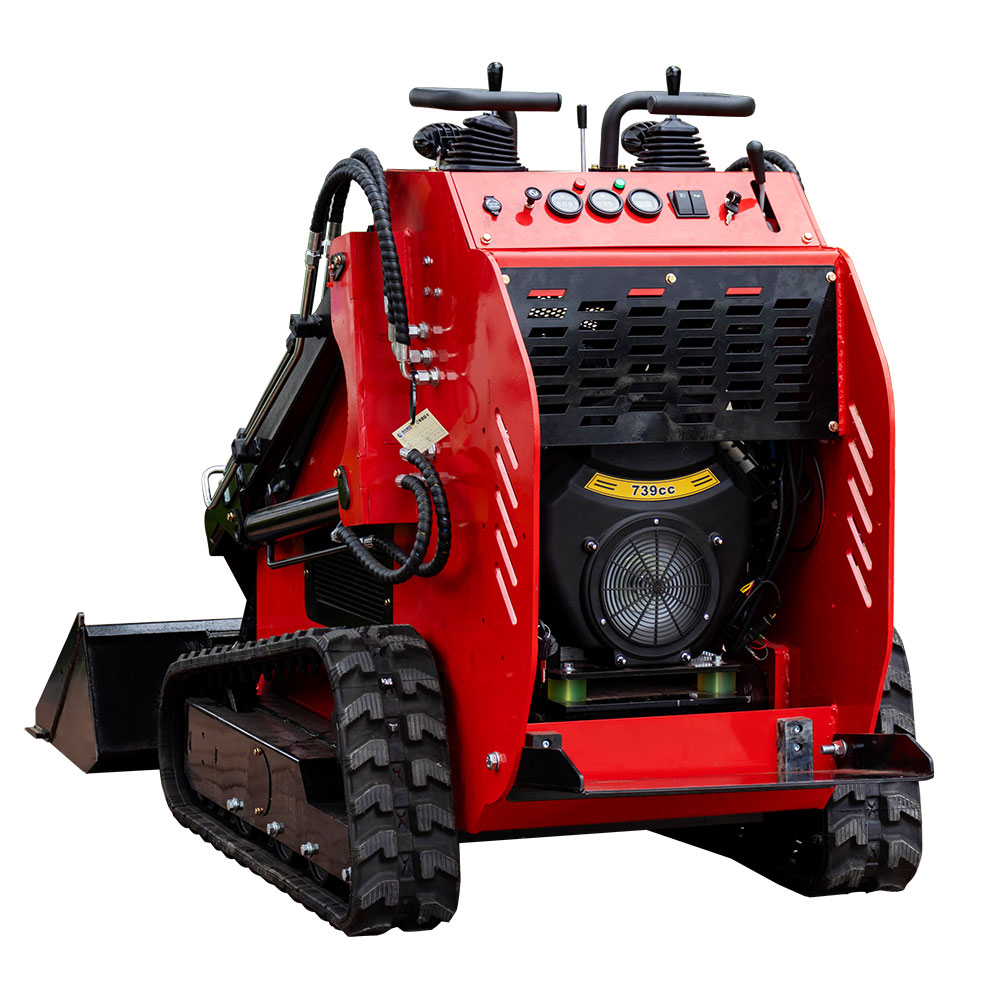
Understanding the performance capabilities of a skid steer loader requires looking beyond marketing claims. When assessing equipment for your fleet, focus on three critical pillars: Rated Operating Capacity (ROC), hydraulic flow, and wheelbase configuration.
ROC is the definitive metric for safety and stability. For instance, a high-performance model typically offers an ROC of approximately 900 to 1,200 kilograms. This represents the maximum load the machine can carry while remaining stable at full lift height. Choosing a model that comfortably exceeds your average load requirement prevents premature wear on lift arms and hydraulic cylinders, effectively extending the service life of your investment. It is not just about the weight, but about how that weight is distributed throughout the chassis during movement. Proper weight distribution prevents the rear wheels from lifting during heavy loading tasks, a common issue with inferior designs that lack proper counter-weight engineering.
Hydraulic flow, measured in liters per minute (LPM), dictates how effectively the machine powers attachments like breakers, augers, or sweepers. A machine with a standard auxiliary hydraulic flow of 75-85 LPM ensures that your attachments operate at peak efficiency. When this is coupled with an optimized wheelbase, you gain not only power but also balance. A shorter wheelbase enhances turning agility, whereas a slightly longer frame provides the stability needed for hauling heavy materials over uneven concrete or gravel. These specs are engineered to allow the operator to work longer hours with less fatigue, as the machine handles the complex load-bearing dynamics without constant manual adjustment. Furthermore, temperature regulation in the hydraulic fluid system is a critical technical factor; efficient heat dissipation prevents power fade during long days of continuous, high-intensity construction work.
Real-World Impact: Urban Renovation in London
To understand the practical application of these machines, consider a recent commercial renovation project in central London. The site involved the transformation of a 19th-century basement into a modern utility space. Access was restricted to a single 1.8-meter-wide reinforced doorway, and the interior featured low ceilings with existing structural pillars that prevented the use of full-sized excavators.
The team deployed a Hightop skid steer loader to manage the demolition debris and soil removal. Because the machine could pivot in place, the operator successfully cleared over 40 tons of rubble in just three days—a task that would have taken manual labor or manual wheelbarrows weeks to complete. The compact frame allowed for precise navigation between the support pillars without risking structural damage. By utilizing the machine's high-torque hydraulic system to power a grapple bucket, the operator maintained a continuous flow of material removal, effectively turning a logistical nightmare into a streamlined operation. This specific application highlighted how the Hightop unit’s superior maneuverability directly impacts the project timeline and overall budget. It also showcased the robustness of the machine's frame, which endured constant impact from concrete shards without showing signs of structural stress or hydraulic leaks.
Maximizing Your Business Value
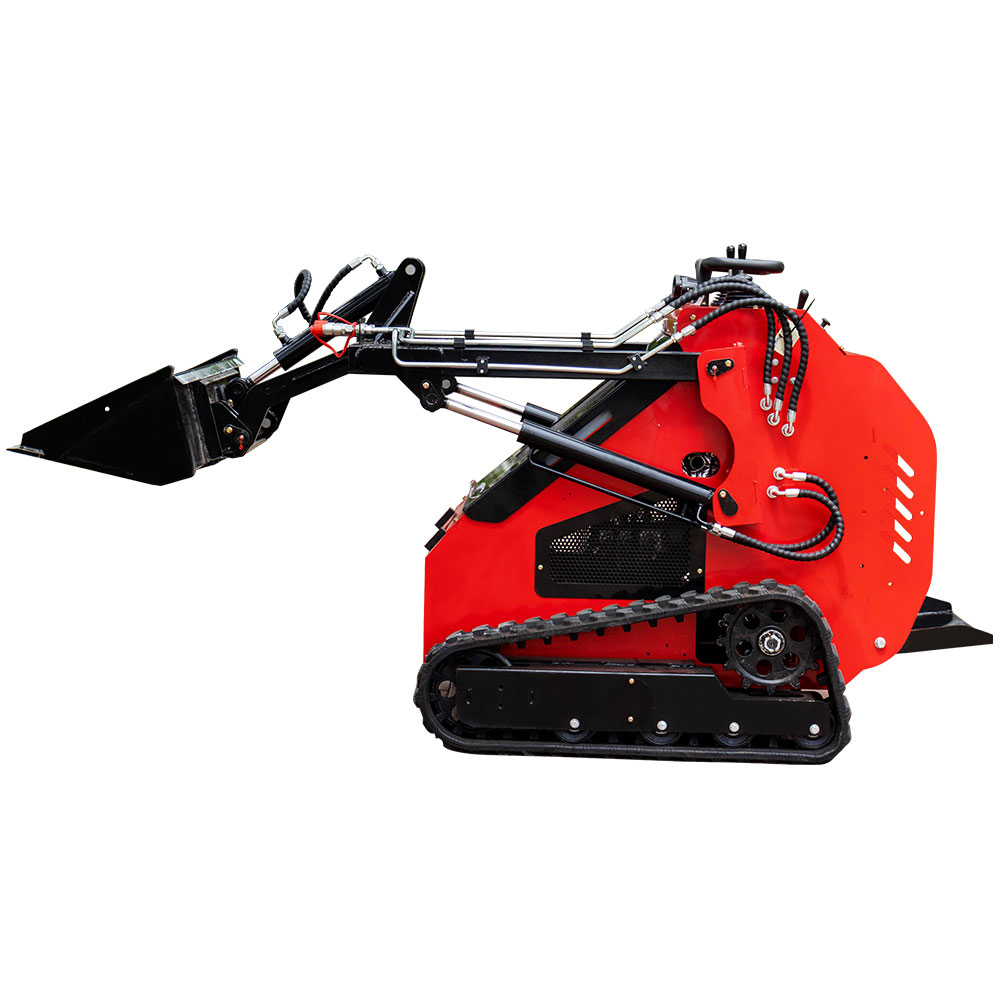
For dealers and contractors, the decision to incorporate skid steer loaders into a business model is driven by more than just maneuverability; it is about versatile profitability. The quick-attach system found on modern loaders allows a single operator to switch from a grading bucket to a pallet fork or a hydraulic hammer in less than two minutes. This versatility means you can handle landscaping in the morning, demolition in the afternoon, and material transport the following day, all with one machine.
When you invest in equipment from specialized suppliers like Hightop, you are gaining access to refined engineering designed specifically for these high-frequency, multi-task environments. Reliable support and a robust supply chain for replacement parts and diverse attachments are just as critical as the loader itself. By choosing a manufacturer that understands the nuances of heavy-duty cycle operations, you ensure that your equipment remains a revenue-generating asset rather than a maintenance burden. The ability to complete projects faster, with less labor, and in spaces that competitors cannot reach provides a measurable competitive edge in the modern construction market. Furthermore, the longevity provided by high-grade steel construction and rigorous quality control means that the total cost of ownership remains low even after years of demanding fieldwork. As the construction industry evolves and project sites become increasingly dense, those who utilize the right tools for tight-space challenges will consistently outperform those relying on outdated, oversized, or less adaptable machinery. Investing in such specialized equipment today ensures that your fleet remains relevant, productive, and capable of tackling the diverse challenges that define modern site development. Consistent maintenance combined with advanced machine capabilities will ultimately secure higher project margins and long-term operational success.