
 EN
EN
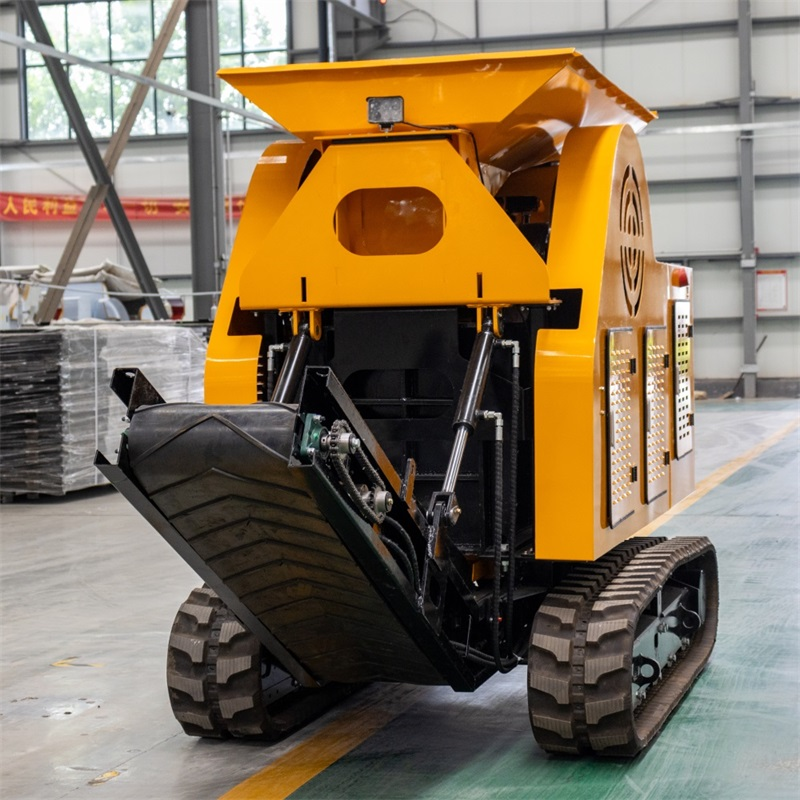
Overcoming Hard Rock Crushing Challenges with a Jaw Crusher
Managing the crushing of hard rock materials in large scale mining or infrastructure projects remains one of the most formidable tasks in the construction industry. The inherent hardness, abrasiveness, and irregular sizing of granite, basalt, and river stone require equipment that possesses not only extreme structural strength but also sophisticated mechanical design. Many operators frequently struggle with premature equipment fatigue, excessive energy consumption, and high operational costs when they attempt to process these materials with inadequate machinery. Transitioning to a high performance jaw crusher provides the primary solution for those seeking to transform raw, jagged stone into usable, high grade aggregates while maintaining a seamless, high volume production flow that meets tight project deadlines.
The Engineering Superiority of Modern Crushing Systems
At the core of effective hard rock processing is the mechanical reliability of the jaw crusher. This machine functions by exerting immense pressure through a reciprocating motion between a fixed plate and a movable plate, effectively reducing massive rocks to manageable sizes in a single pass. Unlike other crushing methods that might shatter material inconsistently, this compression driven approach ensures a high reduction ratio and a more uniform output product. From a technical standpoint, the structural integrity of the manganese steel components within the crushing chamber allows for continuous stress without deformation. Industry experts widely acknowledge that this compression method is the gold standard for primary crushing, as it significantly minimizes the risk of jamming while maximizing the throughput of tough materials that would otherwise cause standard equipment to stall or fail under pressure.
Managing Abrasive Wear and Material Fatigue
A common pain point for site managers is the rapid degradation of internal components due to the abrasive nature of hard minerals. Processing hard rock is an unforgiving task that demands constant attention to the wear cycles of cheek plates and jaw liners. Field experience reveals that the secret to long term success is not just having a powerful machine, but having one equipped with advanced metallurgy that can withstand high friction heat and intense impact. By utilizing machines with optimized eccentric shaft speeds and hydraulic adjustment systems, operators can refine the discharge settings to maintain consistent output quality even as liners naturally wear over time. This proactive approach to mechanical stress management prevents expensive unexpected downtime and ensures that the crushing process remains stable even when dealing with the most stubborn, abrasive rock varieties.
Maximizing Operational Throughput and Business Profitability
Beyond the immediate technical benefits, investing in a robust jaw crusher offers substantial commercial advantages for mining and construction businesses. Operational efficiency is defined by the ability to keep the crushing cycle running with minimal interruption. When equipment is undersized or poorly manufactured, the increased energy draw and the frequent need for repair parts rapidly eat into profit margins. High capacity crushing systems reduce the total time required to process raw materials, which in turn lowers labor costs and fuel consumption per ton of output. By choosing machinery that aligns with the specific hardness profile of the project material, business owners ensure that the operation remains profitable, efficient, and scalable, which is critical for securing repeat contracts and maintaining a competitive edge in an industry where margins are often thin.
Ensuring Reliable Long Term Performance and Support
Selecting the right equipment provider is just as important as the design of the machinery itself. When evaluating potential partners, it is essential to prioritize those who demonstrate deep manufacturing expertise and a transparent approach to supply chain management. Hightop has distinguished itself by focusing on the core engineering elements that define industrial success, providing high performance equipment that is built to endure the harsh conditions of field operations. A key aspect of their service is the integration of durable, high grade components with comprehensive support that ensures owners have ready access to the spare parts and technical guidance necessary for seamless operation. By partnering with a manufacturer like Hightop, companies gain the confidence that their crushing systems are backed by consistent quality and professional dedication, which is vital for achieving operational stability in demanding environments.
Conclusion and Strategic Investment Perspective
The challenge of crushing hard rock is essentially a challenge of selecting the correct technology to match the geological reality of the site. Implementing a reliable jaw crusher transforms the way project managers view mineral processing, turning a high effort task into a streamlined, high output operation. As industry standards for safety, efficiency, and environmental compliance continue to evolve, the demand for precision engineering becomes even more pronounced. Relying on proven, durable equipment is the most effective way to protect capital investment and ensure that project goals are met with precision. By focusing on mechanical reliability and partnering with experienced manufacturers, businesses can effectively navigate the complexities of hard rock processing and ensure that their projects stand the test of time, delivering consistent quality and value in every single load of processed stone.