
 EN
EN
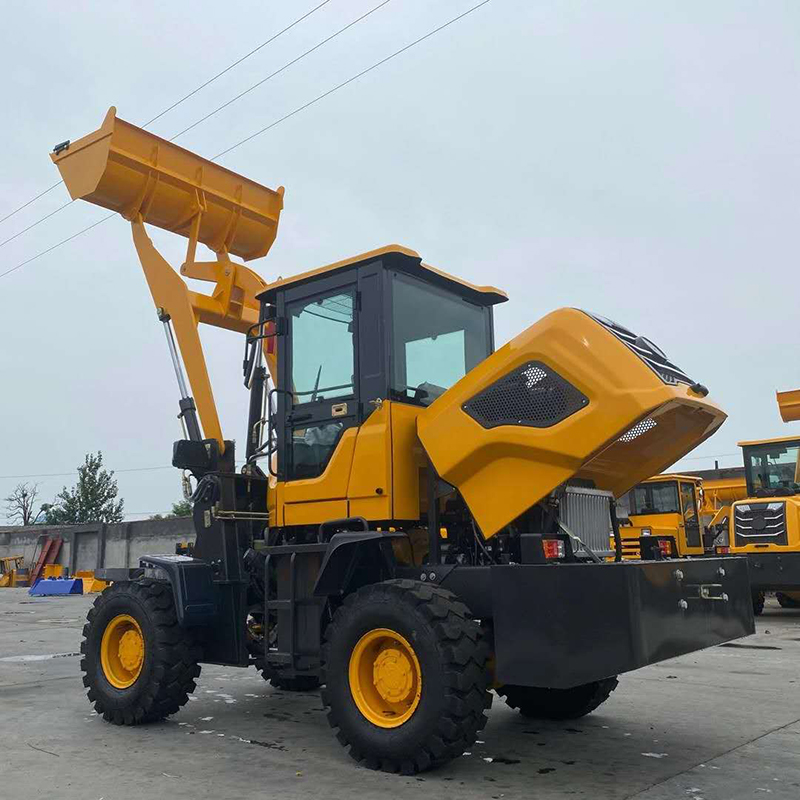
Efficiency is the currency of any successful construction or mining project. When deadlines are tight and the terrain is unforgiving, the machinery on site determines the pace of progress. Among the fleet of heavy equipment, the wheel loader stands out as a versatile workhorse capable of bridging the gap between raw power and precise material handling. Understanding why this machine remains the cornerstone of modern site operations requires looking beyond the brochure specs and examining how engineering choices translate into actual job site performance.
Engineering Precision for High-Intensity Operations
The backbone of a reliable wheel loader lies in the synergy between its power system and its structural integrity. Take the Hightop HTDL06 as a practical reference. While many machines boast about their engine power, the 18.2KW Kubota D1105 engine featured in this model is specifically calibrated to provide a stable torque curve at its rated 3000r/min. This specific power rating is not just a number; it ensures that the hydraulic system receives a consistent, high-pressure flow, which is critical when the loader is tasked with lifting heavy, dense materials like wet soil or crushed rock.
Structural durability is the next frontier. Operators frequently deal with torsion and vibration stresses that can fatigue weaker frames. The integration of high-strength steel in the chassis design allows the loader to maintain its balance even when operating on uneven ground. When a machine carries a rated load of 600kg, the center of gravity must remain stable throughout the lifting arc. This is where the machine’s geometry—such as the 35° steering angle and 2540mm turning radius—becomes a vital competitive advantage. It allows the machine to cycle between digging and loading with minimal repositioning, directly increasing the number of loads processed per hour.
Versatility Across Diverse Project Landscapes
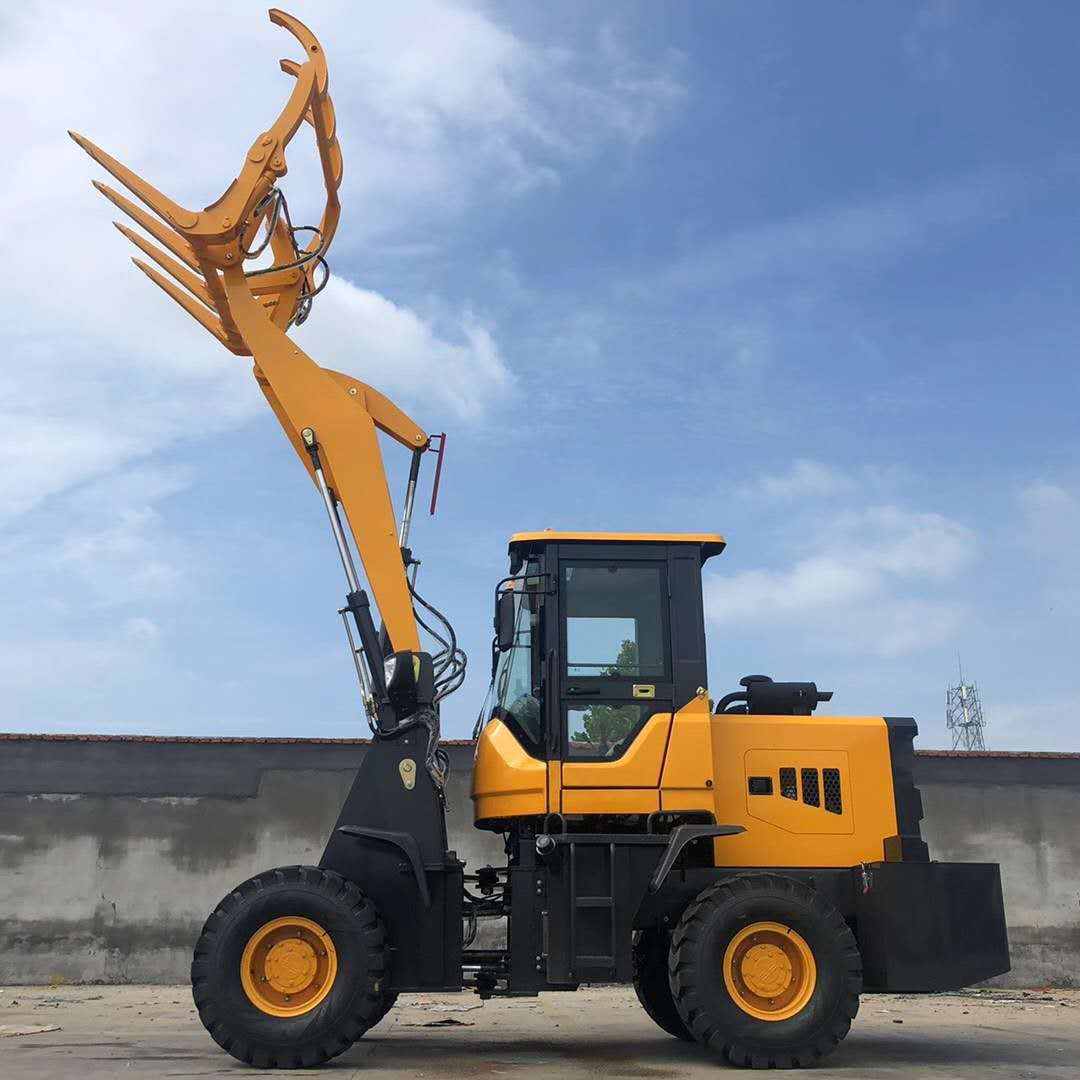
The true value of a wheel loader is its ability to adapt to different site requirements through its hydraulic capabilities. In mining, the priority is high-volume loading of blasted rock and overburden. Here, the hydraulic quick hitch system becomes essential. It allows operators to switch from a standard bucket for earthmoving to specialized attachments for debris sorting or loading haul trucks in a matter of minutes.
In construction, where urban space is often restricted, the wheel loader’s agility takes center stage. Unlike larger, less maneuverable equipment, a compact wheel loader can navigate tight zones without requiring extensive site preparation. The maximum unloading height of 2260mm ensures that the loader can efficiently reach over the sideboards of standard haul trucks, maintaining a seamless workflow without bottlenecks. This flexibility makes it a preferred choice for contractors who operate across various project scales, from small-scale residential developments to major infrastructure upgrades.
Real-World Impact: A Case Study in Southeast Asia
To understand the tangible impact of these specifications, consider a recent highway expansion project in Indonesia. A regional infrastructure contractor faced significant logistical challenges due to the remote, muddy terrain and the sheer volume of aggregates needed to stabilize the foundation.
The contractor utilized a fleet of Hightop HT930B wheel loaders to manage the movement of materials from local quarries to the construction path. The core challenge was the 0-10km/h travel speed, which needed to be consistent despite the saturated ground conditions. By leveraging the HT930B’s reinforced hydraulic components, the team was able to maintain a high cycle rate of 45 buckets per hour, even when navigating the rain-softened haul roads.
The role of the loader was twofold: firstly, feeding the crushing equipment to maintain a steady supply of base material; secondly, performing the final grading work to ensure the base layer met the engineering tolerances required for the asphalt paving crew. The outcome was definitive: the project was completed three weeks ahead of the projected timeline. The contractor noted that the machine’s reliability in the tropical, high-humidity environment—a result of the optimized cooling and sealed hydraulic systems—significantly reduced downtime for maintenance, saving an estimated 15% in operational costs compared to previous equipment used on similar projects.
Maximizing Value for Contractors and Dealers
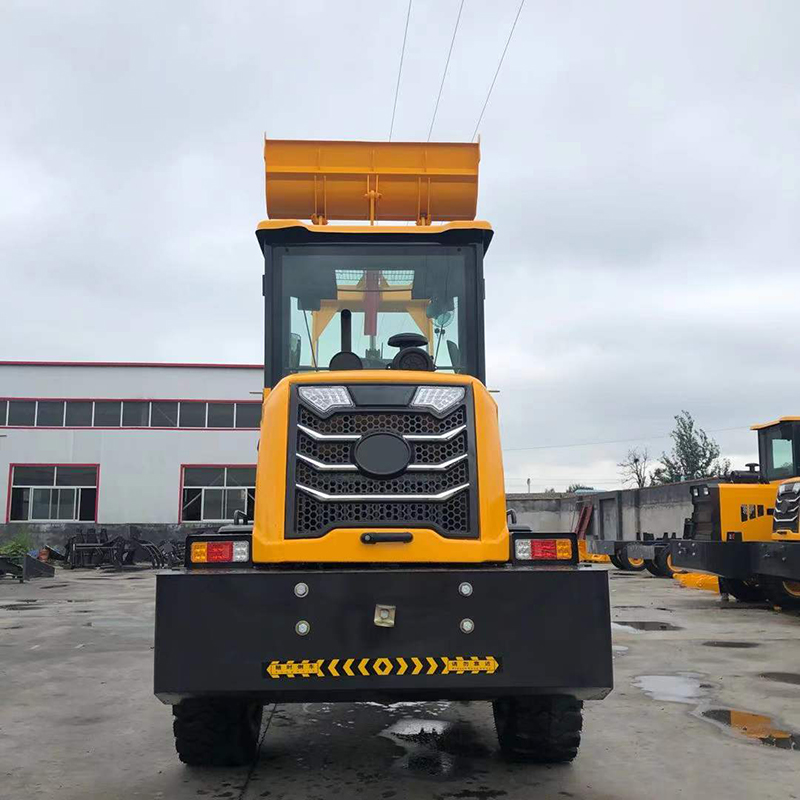
For contractors, the decision to invest in a wheel loader is ultimately a decision about lifecycle value. It is not just about the initial acquisition cost but about the total cost of ownership. Reliability features—such as the explosion-proof steel wire used in hydraulic lines and the wear-resistant engineering tires—mean fewer interruptions to the work schedule. Downtime is a contractor's greatest enemy; therefore, selecting equipment that minimizes the frequency of service interventions directly improves the bottom line.
For dealers, the emphasis shifts toward parts availability and the adaptability of the machine. The ability to customize specifications—such as adjusting bucket capacity from 0.4m³ to 0.6m³ depending on the density of the material being moved—allows dealers to provide tailored solutions to their local clients. A wheel loader that can perform multiple functions with a high degree of precision is easier to market and retains its resale value better over time, making it a stable asset for any rental or sales fleet.
Ultimately, the wheel loader is more than just a shovel on wheels. It is a sophisticated piece of equipment that, when specified correctly, becomes a force multiplier for productivity. By focusing on the interplay between engine efficiency, hydraulic performance, and structural reliability, operators can ensure that every hour spent on the site contributes directly to project success. Whether in the heart of a bustling urban construction site or the rugged expanse of a remote mining operation, the right wheel loader provides the consistency, strength, and agility needed to move the industry forward.