
 EN
EN
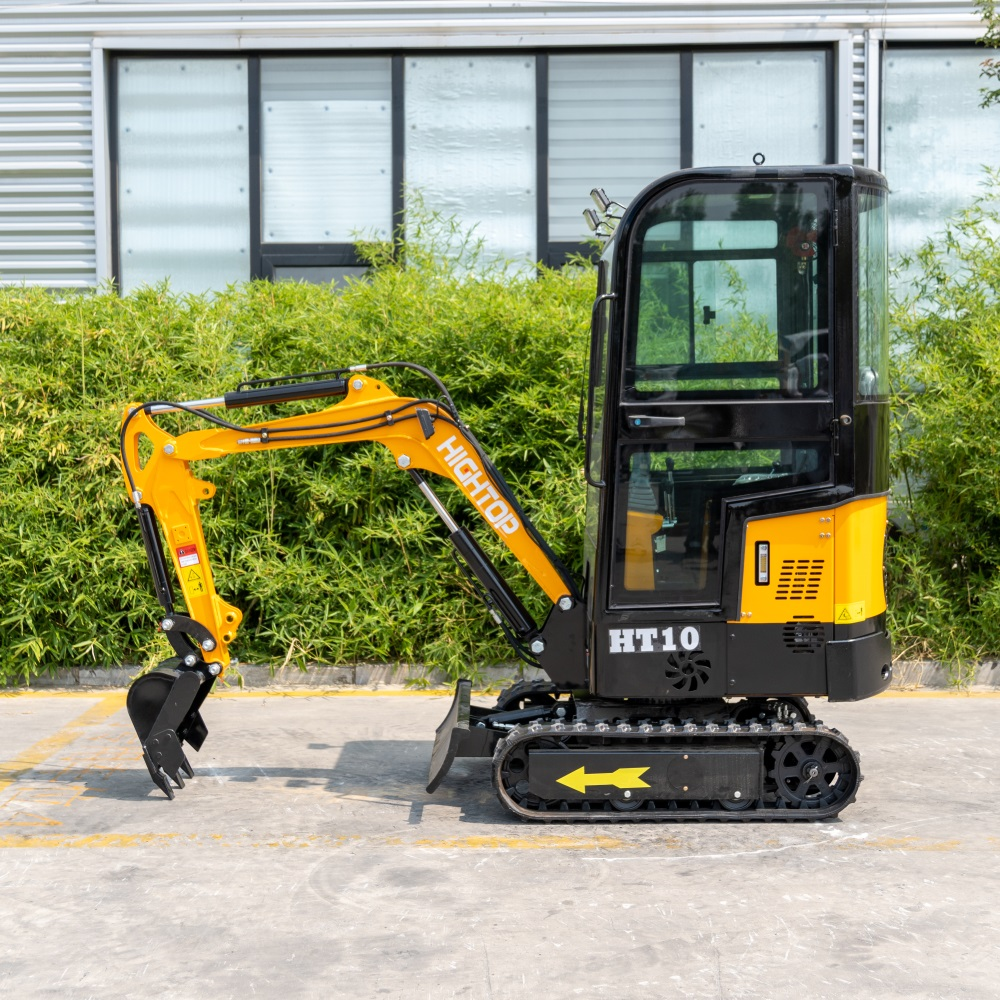
Know the Core Functions of the Hydraulic System
Without knowledge of the intelligent hydraulic system, one will find it difficult to understand how an excavator is able to perform complicated tasks. Particularly, the hydraulic system has been cited by many excavator operators as the primary source of power. It has been demonstrated via construction empirical evidence that knowing a system's construction, its hydraulic pressure, response time, and the speed, provides the operator with better control of the machine's actions. A perfect example of this is how, in the int he farming and construction soil excavation projects, an operator who understands the system is able to properly adjust the hydraulic system and save the machine's energy by balancing the digging force and the hydraulic systems relive pressure.
Studies have shown that the most recent excavator hydraulic systems are designed and constructed for optimal equipment technology. Thus, an operator should become experienced in the operation and coordination of the excavator’s boom, arm, and bucket. The operator should also have created previous experience with the system and its numerous components, as this will ultimately help in collaborating with streamlined waste control systems. One of the most important aspects of quality continuous operation is to carefully perform each transition between the hydraulic functions to prevent excessive wear of the components. It is also of utmost importance to avoid abrupt starts and stops of the machine's hydraulic functions as it will lengthen the life of the hydraulic components.Different engineering machine maintenance studies show that excavators wth correctly managed hydraulics can increase their work efficiency by 15% to 20% depending on the situation. These increases can be achieved by adhering to the technical standards provided by the recognized professional bodies.
Attachments to Specific Working Conditions
Selecting the right attachment is one of the core requirements to ensure excavators work optimally. If scenarios are different, tailored configurations are essential. In mining operations, a reinforced bucket with high wear resistance is better and helps in achieving better digging in all tough conditions. A Canadian community courtyard renovation project is an example where a multi-functional bucket and a soil tiller attachment helped the excavator to finish excavation and ground leveling. This combination eliminated the need for extra machines gas construction duration.
Industry professionals have stated that operators should gets comfortable with the use and installation of the different attachments. With over 60 different professional attachments, there can be a solution for many different working environments. With the right attachments, one excavator can do many jobs, including brush cutting, forest mulching, and material handling. This capability increases the use of the equipment and makes it more valuable commercially.
Master Techniques to Limit Fuel Consumption
Rapid changes in speed lead to mechanical wears while also increasing fuel consumption. In a Swedish residential construction project, operators achieved a 10% reduction in fuel consumption compared to earlier projects while improving work progress by maintaining a constant speed during the earth-moving tasks. Professional analysis of fuel efficiency states that appropriate planning of the working route can decrease movement that is not necessary.Fuel can be saved over time by turning the engine off during breaks that last over 5 minutes.
To save fuel while using construction machinery, it is recommended by experts to adjust the excavator to its economic mode if appropriate. This mode alters the engine and hydraulic system to best meet construction power needs while also being efficient in fuel usage. In construction work that doesn’t demand a lot of power, like farmland water conservancy renovation, using economic mode is recommended and fuel consumption is expected to be less by 8%-12% while still meeting work guidelines.
Give priority to the Regular Maintenance and Inspections
Regular maintenance provides the excavator with a longer working life and saves fuel. Daily tasks should include checking the hoses of the hydraulics, the pressure in the tires, and also the tension in the tracks. During a project in a Polish farm and stone workshop, daily inspection of the rubber track that is outside the tire avoided potential problems of the loose tracks and provided uninterrupted work.
The manufacturer’s suggested maintenance plan includes a schedule. Maintenance plans that include timely and routine engine oil and hydraulic oil changes, and filters will help keep pumps and parts serviced properly. If not done, decreased performance will occur. Reduced digging forces, and slower response times will occur which impact work. For example, slower response times in hydraulic parts can increase energy consumption and this can happen due to a clogged filter.
Small oil leaks and noises in machines lead to bigger problems. These are examples of minor issues that, if not resolved, lead to bigger problems and even failures that are expensive and lead to downtime of the machines. Maintenance that follows international guidelines such as ISO9001 will help ensure that the work done will be up to the standards expected.
The operational plan can be “fine tuned” to meet the project goals and strategies The operational plan can be “fine tuned” to meet the project goals and strategies Work. For continual large-scale mining projects, shifts can be set up in such a way that the equipment and the operators are scheduled to work in a way that allows for even 24 hours of operational continuity. The mining excavators, high strength, and built to last, are able to endure significant operational hours and cope with the high operational demands of mining activities.
An important part of professional project planning is knowing the project’s time frame and the requirements of the end product. For government emergency projects like the reconstruction of a disaster site, it is important that the operation is done quickly and efficiently. When necessary documents are prepared, and equipment checks are done before operation, response time is optimized and the excavator can be set to work without delays.
In an industry survey, 20-30% more projects were completed when there were precise and operational project plans, compared to projects without. When dividing a project into distinct elements, and assigning them to the excavator, redundant tasks are avoided. An example of this is construction of roads and bridges, where working on the excavation prior to the compaction work leads to a better flow of activities and enhanced project quality.